

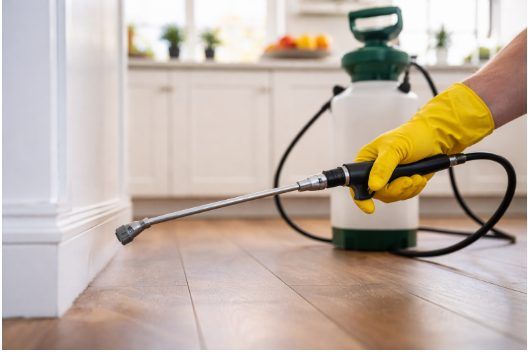
Spring is here, and with it comes the season of renewal, blooming flowers, and warmer temperatures. However, this change in weather also brings unwanted guests into many homes, spring infestations. As the temperatures rise, pests like ants, termites, and rodents become more active, seeking warmth and food in your home. If left unchecked, these pests can quickly turn into a major problem. But don’t worry, with the right steps, you can stay ahead of spring infestations before they have a chance to spread.
In this article, we’ll cover practical, easy-to-follow tips for home pest prevention, early pest detection, and seasonal pest solutions that can help protect your home from unwanted visitors this spring.
Understanding Spring Infestations
As the weather transitions, the behavior of pests also shifts. Many insects, rodents, and other pests become more active in the spring. Here’s why:
- Temperature Changes: Pests are more active when the weather warms up. As the soil temperature rises, insects like ants and termites start moving from their nests.
- Food Availability: Spring is a time when food becomes more accessible, making it an ideal time for pests to enter homes in search of a meal.
- Mating Season: Many pests enter homes during spring to find shelter and mates, contributing to infestations.
Pro Tip: Most infestations are more manageable if detected early. Take preventive action before pests make themselves at home. For more information to schedule an inspection, visit Terminix ant control
Common Spring Pests You Should Watch For
Knowing which pests are most likely to invade your home during the spring season can help you prepare. Here are some common culprits:
-
Ants: Ants are one of the most common pests that invade homes during the spring. They enter homes searching for food and water. While most ants are harmless, some, like carpenter ants, can cause significant damage to your property.
-
Termites: Termites are notorious for damaging the structural integrity of homes. As temperatures rise, termite colonies begin to swarm, making them a significant threat in spring. Their ability to go unnoticed until significant damage is done makes early detection critical.
-
Rodents: Rodents like mice and rats become more active during the spring as they seek shelter and nesting sites. They can spread diseases and cause damage to wires, insulation, and food supplies.
-
Mosquitoes: Mosquitoes breed in standing water and are a nuisance during the warmer months. They can carry diseases such as West Nile Virus, Zika, and Lyme disease.
-
Spiders: Spring is when spiders become more active as they hunt for food. While most spiders are harmless, some species, like black widows and brown recluses, can pose health risks.
How to Prevent Spring Infestations
Spring brings warmth and new growth, but it also signals the arrival of pests—here’s how to stay ahead of spring infestations before they spread through your home.
1. Seal Entry Points
One of the most effective ways to prevent spring infestations is to seal all possible entry points. Pests can squeeze through the smallest gaps, so make sure to:
- Seal cracks and crevices around windows and doors.
- Ensure that weather stripping is intact.
- Check screens for holes and repair or replace them.
2. Eliminate Food and Water Sources
Pests are looking for food and water, so reducing access to these resources is key. Here’s what you can do:
- Store food properly: Keep food in sealed containers, especially sugary items like fruits, snacks, and cereal.
- Fix leaky pipes: Repair any leaks around your home, as pests, particularly ants, are attracted to moisture.
- Clean up spills immediately: Don’t leave crumbs or food spills lying around. Clean your kitchen thoroughly after meals.
3. Maintain Your Yard
Your yard can be a breeding ground for pests, so it’s essential to maintain it properly. Here are a few tips for springtime yard maintenance:
- Trim bushes and trees: Ensure that branches are trimmed away from your home, as they can act as bridges for pests to enter your home.
- Remove standing water: Empty containers that collect water, like flower pots, birdbaths, and clogged gutters.
- Keep grass cut short: Tall grass can harbor insects and rodents, so keep your lawn well-maintained.
Early Pest Detection: How to Spot a Problem Before It Gets Out of Hand
Spotting pests early can save you from bigger problems later; here’s how to detect spring infestations before they get out of hand.
- Look for Signs of Pests
The earlier you spot signs of pests, the easier it will be to address the problem. Here’s what to look for:
- Ant Trails: If you see ants marching in a line, you’ve found their entry point. Follow the trail to find the nest.
- Termite Damage: Look for hollow-sounding wood or tiny holes in wooden furniture. Small piles of sawdust may also be a sign of termites.
- Droppings: Rodents leave droppings, often near food sources or along their travel paths.
- Mud Tubes: Termites build mud tubes to travel from their nest to your home. These are often found along foundation walls.
- Schedule Regular Inspections
While you can spot many signs of pests yourself, a professional inspection can provide peace of mind. Many pest control companies offer seasonal inspections, which can help you catch infestations before they worsen.
Seasonal Pest Solutions: What Works Best in Spring?
Each season requires a different approach when it comes to pest control. In spring, a proactive approach is essential to prevent infestations.
1. Natural Repellents
If you prefer eco-friendly methods, several natural repellents work effectively for spring infestations:
- Essential oils: Peppermint oil, citronella, and eucalyptus oil can repel ants and mosquitoes.
- Diatomaceous Earth: This natural substance is a great solution for killing insects like ants and termites by drying them out.
- Cinnamon: Sprinkle cinnamon in areas where pests are entering your home to deter them.
2. Pest Traps
Traps are an effective way to reduce pest populations inside your home:
- Ant traps: Ant bait traps are an excellent way to deal with spring infestations. Place them near ant trails to lure and eliminate the colony.
- Rodent traps: If you suspect a rodent problem, setting traps in high-traffic areas can help reduce their numbers.
- Mosquito traps: Special mosquito traps can help capture and reduce the mosquito population around your home.
Quick Fact: Did you know that termites cause approximately $5 billion in damage to U.S. homes each year?
Key Takeaways
- Spring infestations are a common issue in many homes, but with early prevention, you can keep pests out.
- Sealing entry points, eliminating food and water sources, and maintaining your yard are critical steps in home pest prevention.
- Early pest detection can save you money and hassle by identifying problems before they spread.
- Natural repellents and seasonal pest solutions, like traps and professional inspections, are effective ways to stay ahead of infestations.
Last Words
Spring is a beautiful season, but it also brings the threat of spring infestations. By taking early action and incorporating these practical tips for pest infestation control, you can ensure that pests stay where they belong—outside your home. Remember, early pest detection is key to preventing widespread damage and costly repairs. Stay vigilant, and don’t let pests spoil your spring!
FAQs
- How can I prevent ants from entering my home during spring?
Seal cracks and crevices, clean up food spills immediately, and use natural repellents like cinnamon and peppermint oil to deter ants.
- What are some signs of a termite infestation?
Look for hollow-sounding wood, mud tubes along walls, and small piles of sawdust near wooden structures.
- How often should I inspect my home for pests in spring?
Ideally, you should schedule a professional pest inspection at the beginning of spring to catch any potential infestations early.
- Are there eco-friendly ways to handle pest control?
Yes, natural repellents such as essential oils, diatomaceous earth, and cinnamon can effectively keep pests at bay without harmful chemicals.
Don’t wait until pests take over your home—act now to protect your space from spring infestations. For more information on North Carolina pest control or to schedule an inspection, visit Terminix.
