New resource pairs native plant recommendations with design and timing advice for homeowners preparing to list
TN Nursery, one of the country’s largest growers of native plants, perennials, and ferns, has launched a new pollinator garden guide aimed specifically at homeowners preparing to sell their properties. The resource arrives as the spring housing market intensifies and a growing share of buyers, particularly younger ones, signal a clear preference for sustainable, biodiverse yards over traditional turf-heavy lawns.
For decades, the default signal of a cared-for home has been a flat, weed-free front lawn. That is still part of the picture, the company says, but no longer the whole picture. Buyers walking open houses are increasingly drawn to yards that hum with life: coneflowers drawing bees, milkweed catching monarchs, small wildflower patches doing what a strip of turf grass cannot. Most buyers do not call it out by name during a showing, but they notice, and increasingly, they are willing to pay for it. The shift is most pronounced among first-time and millennial buyers, who tend to read a yard for sustainability, biodiversity, and a property that will not demand every weekend to maintain.
According to the 2025 Remodeling Impact Report from the National Association of REALTORS® and NARI, Americans spent an estimated $603 billion on home remodeling in 2024, and roughly 18% of those homeowners undertook projects specifically to prepare for selling within two years. Outdoor work, including landscape upgrades, consistently ranks among the highest in both cost recovery and homeowner satisfaction. Pollinator gardens sit squarely at the intersection of that trend, checking the visual, ecological, and low-maintenance boxes that buyers are now reading for.
The new guide focuses on what the company sees as a quiet but real change in residential curb appeal. A yard humming with bees, butterflies, and hummingbirds increasingly outperforms a manicured but lifeless lawn during showings, particularly during the late-spring and summer listing windows. Native pollinator plants such as coneflowers, milkweed, black-eyed Susans, and bee balm are central to the company’s recommendations because they establish quickly, return each year, and signal both ecological value and lower long-term maintenance to prospective buyers. Mature stands of these species do not need babying. They return on their own, spread sideways without intervention, and shrug off heat and drought better than most lawn grass, a quiet but real selling point for any buyer doing maintenance math in their head.
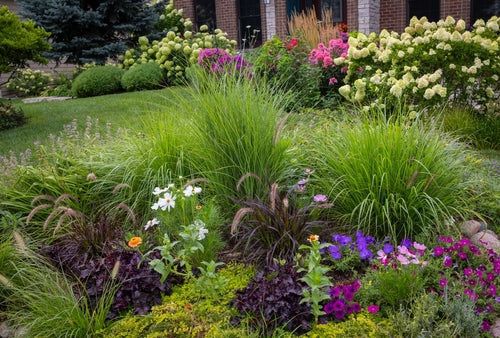
The guide also addresses what TN Nursery identifies as the most common visual misstep with pollinator gardens. Done poorly, a pollinator patch can read like a yard someone gave up on. Done well, it reads as intentional: clearly a garden, clearly designed, clearly cared for. The difference comes down to a few small choices: clean bed edges with brick, steel edging, or a strip of mulch; plantings grouped in threes or fives rather than scattered as single specimens; varied heights for visual layering; and seasonal bloom succession so that something is in flower whenever a buyer is likely to be on the property. The guide also recommends staging touches like a bench, birdbath, or stepped path that signal intentional design rather than lapsed maintenance.
Because pollinator plant selection is highly regional, the guide directs homeowners to the company’s free plant research library, which lays out hardiness zones, sun requirements, and pollinator value for every species. A milkweed variety that thrives in Tennessee will not necessarily perform the same way in Minnesota, and a coneflower bred for the Mid-Atlantic may struggle in the desert Southwest. Twenty minutes in the research library before placing an order, the company notes, can spare homeowners from the most common mistake of selecting a beautiful catalog plant that will not survive their zone.
Timing is the other variable the guide treats as critical. A pollinator bed installed two months before listing tends to look thin and patchy in photos. The same bed installed a year or two ahead is filling out, blooming on schedule, and reading as a mature feature in showings. For homeowners with a two-year selling horizon, the company recommends starting now with a small, well-designed footprint rather than an ambitious sprawl, which is harder to maintain, harder to photograph, and harder for a buyer to picture themselves keeping up with.
The guide also encourages sellers to prepare a short, honest story about the garden for showings. A line like “this side of the yard takes about an hour a month once it’s established, and the pollinators do the rest” lands far better than a list of Latin plant names. The story sells the lifestyle. The plants prove it is real. The guide is available at no cost on the TN Nursery website and complements the company’s existing collection of native pollinator plants for sale.
About TN Nursery
TN Nursery is a Tennessee-based grower of native plants, perennials, ferns, trees, and shrubs, serving more than 500,000 customers nationwide. With decades of experience growing native species at scale, the company supplies homeowners, landscape designers, and ecological restoration projects across the United States. Its horticulture team has been featured in Forbes, Newsweek, Martha Stewart, Good Housekeeping, and Bob Vila, among other outlets.
TN Nursery also operates a scholarship program for students pursuing degrees in horticulture, plant sciences and related fields, an institutional version of what individual home owners are quietly doing in their own yards: handing the next generation a working ecosystem along with reasons to care about it. The pollinator plant collection is available year-round at tnnursery.net.