

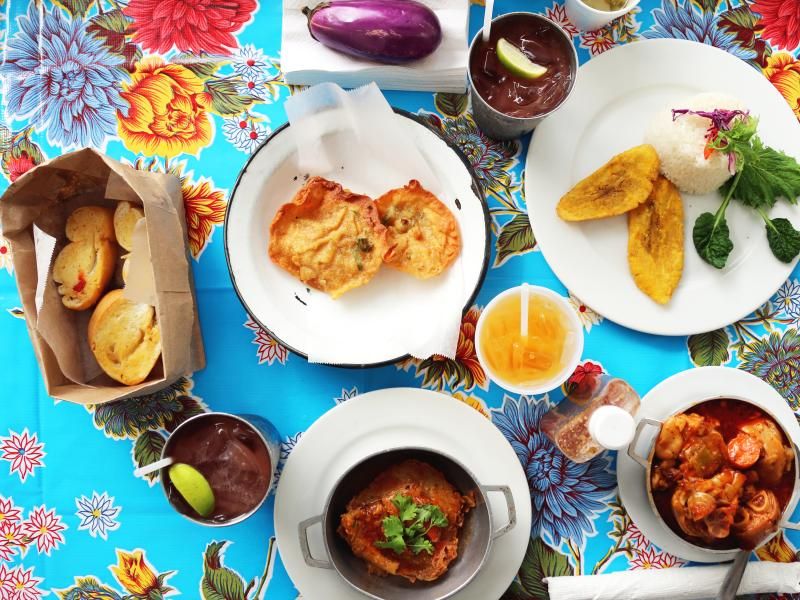
Puerto Rico is a small island with a big personality, and nowhere is that more evident than in its cuisine. Food in Puerto Rico is more than just nourishment—it is history, culture, creativity, and identity all wrapped in one. Every dish tells the story of centuries of migration, colonization, and resilience, bringing together influences from the Taíno, Spanish, African, and even North American traditions. The result is a cuisine that is as bold and diverse as the island itself.
Embarking on a culinary journey through Puerto Rico is not just about savoring delicious meals, but also about understanding the layers of meaning behind them. From street food vendors in San Juan to family-owned countryside restaurants, the island’s flavors reflect both tradition and innovation. Let’s take a closer look at what makes Puerto Rican food so special and why it leaves such a lasting impression on anyone fortunate enough to experience it.
The Roots of Puerto Rican Cuisine
Before diving into the specific flavors and dishes, it is important to appreciate the origins of Puerto Rican cooking. Long before European arrival, the Taíno people cultivated staples such as cassava, corn, sweet potatoes, and peppers. Their methods of grilling meat over an open fire, known as barbacoa, would later influence global cooking styles.
With the arrival of Spanish colonizers in the 15th century, new ingredients like rice, olive oil, pork, and wheat made their way to the island. Africans, who were brought as enslaved laborers, contributed ingredients such as plantains, okra, and yams, as well as cooking techniques that deeply enriched the island’s food traditions. Over time, this fusion created a unique flavor profile now recognized worldwide as Puerto Rican cuisine.
This blend of influences is sometimes called cocina criolla, or Creole cooking. It is a cuisine that is not afraid to mix and adapt, reflecting Puerto Rico’s dynamic history while continuing to evolve with modern tastes.
The Signature Seasoning: Sofrito
If there is one ingredient that defines Puerto Rican food, it is sofrito. This aromatic blend of onions, garlic, cilantro, peppers, and other herbs forms the flavor base for countless dishes, from stews and beans to meats and rice.
Sofrito is more than a cooking technique—it is the soul of Puerto Rican cuisine. Every family has its own variation, with secret ingredients passed down from generation to generation. Some cooks prefer adding culantro, a herb similar to cilantro but stronger in flavor, while others might include ají dulce, a sweet pepper unique to the Caribbean.
When you smell sofrito sizzling in olive oil, you immediately know that something delicious is about to come out of the kitchen.
Rice and Beans: A National Staple
No culinary journey through Puerto Rico is complete without experiencing the island’s love for rice and beans. Though a humble dish, it embodies the resourcefulness and creativity of Puerto Rican cooking.
The most iconic preparation is arroz con gandules, rice cooked with pigeon peas, pork, and sofrito. It is often considered the national dish of Puerto Rico and is especially popular during holidays and celebrations. Another favorite is habichuelas guisadas, stewed beans flavored with spices and sofrito, typically served alongside white rice.
The balance between hearty starches and rich seasonings makes rice and beans not only filling but also deeply comforting. It is everyday food with extraordinary flavor.
Plantains: A Versatile Ingredient
Plantains, introduced by Africans, have become a defining ingredient in Puerto Rican cooking. They can be prepared in countless ways depending on their ripeness.
Green plantains are fried into crispy tostones or mashed into mofongo, a dish where plantains are combined with garlic, pork cracklings, and sometimes seafood or chicken. Ripe plantains, on the other hand, are sweeter and often used in dishes like amarillos (fried sweet plantains) or layered into savory casseroles such as pastelón, often called the Puerto Rican lasagna.
The versatility of plantains showcases Puerto Rico’s ability to turn simple ingredients into masterpieces of flavor.
Street Food Culture
While Puerto Rican cuisine shines in sit-down meals, some of its most unforgettable flavors can be found on the streets. Street food is an essential part of the island’s culinary identity, offering a taste of local culture at every corner.
Some popular street foods include:
- Alcapurrias: Fried fritters made from green bananas or yucca stuffed with meat.
- Bacalaítos: Crispy codfish fritters often served at beachside kiosks.
- Empanadillas: Turnovers filled with meat, cheese, or seafood.
- Pinchos: Grilled meat skewers seasoned to perfection.
One of the best places to experience Puerto Rican street food is Piñones, just outside San Juan, where local vendors serve these treats in a lively beachfront setting.
The Heat of Puerto Rican Hot Sauce
Puerto Rican cuisine is not as spicy as Mexican food, but that doesn’t mean it lacks heat. Puerto Rican hot sauce, known locally as pique, is a condiment made with vinegar, hot peppers, garlic, and herbs. It is usually stored in a glass bottle filled with chili peppers soaking in vinegar, sometimes with added spices or fruits for extra complexity.
Every household has its own version of pique, and it can be drizzled over meats, rice, or beans to add a tangy, spicy kick. For visitors, a small bottle of homemade hot sauce makes a perfect edible keepsake—one of those unforgettable Puerto Rico souvenirs that capture the island’s essence in a simple jar.
Seafood and Coastal Traditions
Being an island, Puerto Rico naturally boasts an abundance of seafood. Fresh fish, lobster, shrimp, and crab play a central role in coastal cuisine. One popular dish is asopao de camarones, a hearty shrimp stew with rice that blends the comfort of a soup with the richness of a main course.
On the west coast, particularly in towns like Rincón and Aguadilla, beachside shacks serve freshly caught fish seasoned with garlic, lime, and local spices. Meanwhile, salmorejo de jueyes (land crab stew) remains a beloved delicacy in coastal communities.
Seafood in Puerto Rico is never complicated; the emphasis is on freshness and simple seasonings that let natural flavors shine.
Sweet Delights: Puerto Rican Desserts
No culinary journey is complete without dessert, and Puerto Rico has plenty of sweet offerings. Many desserts highlight tropical fruits like coconut, guava, and pineapple.
- Tembleque: A coconut pudding with a delicate, creamy texture, usually sprinkled with cinnamon.
- Flan de queso: A rich caramel custard made with cream cheese for extra depth.
- Arroz con dulce: Sweet rice pudding flavored with coconut milk, cloves, and cinnamon.
- Pastelillos de guayaba: Pastries filled with guava paste, often paired with cheese.
These desserts not only satisfy a sweet tooth but also reflect the island’s reliance on local produce.
Drinks with Island Flair
Food in Puerto Rico is often paired with refreshing beverages that celebrate the island’s tropical environment. The most famous is the piña colada, which was invented in San Juan in the 1950s. This creamy blend of pineapple juice, coconut cream, and rum remains the island’s signature cocktail.
Other traditional drinks include coquito, a holiday beverage similar to eggnog but made with coconut milk, and maví, a fermented drink made from tree bark, herbs, and spices. Coffee lovers will also find Puerto Rican coffee to be among the best in the Caribbean, with rich flavors grown in the mountain regions of Yauco and Adjuntas.
Culinary Festivals and Traditions
Puerto Rico’s culinary culture is deeply tied to its festivals and traditions. Food is central to celebrations, whether during Christmas, Easter, or local patron saint festivals.
During Christmas, families prepare elaborate feasts with dishes like lechón asado (roast pork), pasteles (tamale-like parcels made of plantains and root vegetables), and endless servings of arroz con gandules. Meanwhile, culinary festivals across the island celebrate specific dishes, such as the Festival del Gandul in Villalba or the Festival de la Longaniza in Orocovis.
These events are not just about food—they are about community, heritage, and the joy of sharing flavors that bring people together.
Modern Takes on Tradition
While tradition plays a huge role in Puerto Rican cooking, modern chefs are also reimagining classic dishes for a new generation. Contemporary restaurants in San Juan and beyond experiment with fusion, combining Puerto Rican ingredients with international techniques.
For example, chefs may reinterpret mofongo with Asian spices or serve lechón with French-inspired sauces. Vegan and vegetarian adaptations of traditional recipes are also becoming more popular, reflecting global dining trends while staying true to the island’s roots.
This balance between old and new keeps Puerto Rican cuisine vibrant and relevant in the modern culinary world.
Bringing Puerto Rico Home
For visitors, the culinary journey does not end when the trip is over. Many take recipes, ingredients, and even food items back home as a way to relive the experience. Popular Puerto Rico souvenirs include locally roasted coffee, bottles of pique, artisanal rum, and sweets made from coconut or guava. These edible mementos capture the spirit of the island and allow travelers to share it with friends and family.
Cooking Puerto Rican dishes at home is also a way to stay connected to the island. With resources online and specialty shops offering authentic ingredients, recreating a taste of Puerto Rico in your own kitchen is easier than ever.
Conclusion
The unique flavors of Puerto Rico are much more than a collection of recipes—they are a reflection of the island’s history, resilience, and creativity. From the humble sofrito to the celebratory arroz con gandules, from street food delights to high-end reimaginings, Puerto Rican cuisine tells a story of diversity and passion.
Whether you are savoring a plate of mofongo by the beach, drizzling Puerto Rican hot sauce over your rice and beans, or bringing home coffee and sweets as treasured Puerto Rico souvenirs, the island’s culinary culture ensures that every meal is an experience to remember.
Puerto Rico’s cuisine is a journey worth taking, and one that stays with you long after the last bite.
