

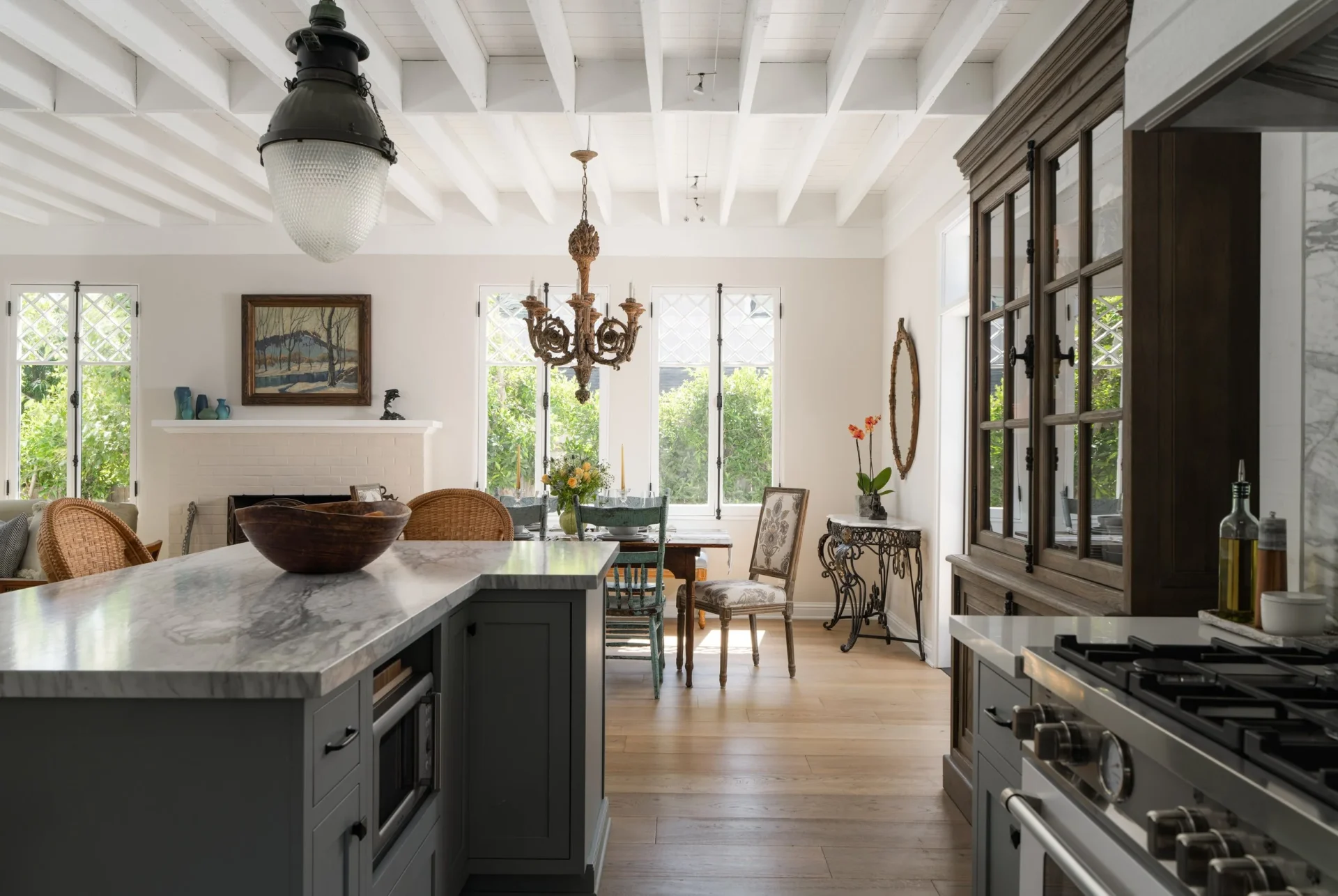
Successful home remodeling starts with a clear plan. You need a set budget and a simple timeline. Strong home remodeling tips help you stay organized. They guide you step by step through the remodel process.
Confirm permit rules early. Choose durable materials. Avoid major changes after work begins.
Hire skilled contractors for structural, plumbing, or electrical work. When you plan well, you lower risk and improve results.
Key Takeaways
- Successful home remodeling begins with a clear renovation plan, a defined budget, and a structured remodel process that outlines scope, timeline, and permit needs.
- Using the correct renovation order and a design build method can reduce delays and improve coordination in any home improvement project.
- Smart cost control includes applying the 30% rule, setting aside contingency funds, and choosing high quality and energy efficient materials.
- Avoid common mistakes by limiting scope changes, signing clear contracts, and knowing when to hire a professional instead of attempting complex diy projects.
Essential Planning and Remodel Process
Start With a Clear Renovation Plan
Every successful home remodeling project begins with a written renovation plan. To lock in a realistic budget early, many homeowners lean on residential estimator services to validate quantities, labor, and material costs before work starts. Define your goals before work starts. Decide if you want to expand your living space, update kitchens and bathrooms, or increase resale value.
Your renovation plan should include:
- Clear scope of work
- Budget range
- Timeline estimate
- Permit needs
Good home remodeling advice focuses on planning before spending. You should review your goals, confirm your budget, and compare contractor bids.
Clear advice also helps you avoid scope changes and delays. When you follow proven guidance, your project stays organized and easier to manage.This plan keeps everyone aligned. It reduces confusion and delays.
What Is the Correct Order to Renovate a House?
The right order protects your home. It prevents rework. You must follow a clear remodel process.
A typical order includes:
- Structural changes
- Electrical and plumbing work
- Required inspections
- Drywall and flooring
- Cabinets and finishes
- Light fixture installation and final details
This sequence keeps work organized and code compliant.
Set Realistic Time Expectations
Home renovation projects take time. The amount of time depends on size and inspections. Kitchen remodels often take longer. They involve plumbing and electrical systems.
Add extra time to your schedule. Permits and deliveries can cause delays. A flexible plan reduces stress.
Permit and Inspection Requirements
Many updates require permits. Structural work often needs approval. Electrical and plumbing changes also require review. Inspections confirm the work meets safety rules.
Skipping permits is not a good idea. It can lead to fines and resale issues later.
Protect Daily Life During Construction
Renovation affects daily life. Dust and noise create stress. Rooms may be blocked during work.
Plan ahead. Set up a small cooking area if you remodel kitchens and bathrooms. Add extra storage if needed. Preparation reduces disruption.
Budgeting, Costs, and Smart Spending
What Is the 30% Rule for Renovations?
The 30% rule helps control spending. It suggests you should not invest more than 30% of your home’s value. If your home is worth $500,000, try to stay under $150,000.
This rule gives basic home renovation tips. Market conditions may change the final number.
Is $100,000 Enough to Renovate a Home?
A $100,000 budget can support moderate home renovation projects. It may cover:
- Kitchen remodels with mid-range finishes
- Bathroom updates
- Flooring replacement
- Interior painting
Large additions or major structural work usually cost more.
Home Remodeling Ideas on a Budget
You can improve your home without major changes. Focus on updates that improve function.
Budget-friendly options include:
- Replacing an old light fixture
- Installing a new garage door
- Refinishing cabinets
- Adding energy efficient appliances
- Updating paint and hardware
These home improvement tips and tricks and energy efficient upgrades improve comfort without high cost.
Cost Breakdown for Kitchens and Bathrooms
Kitchens and bathrooms cost more. They require plumbing and electrical work. Cabinets, tile, and fixtures raise costs. Labor is often the largest expense.
Ask for a detailed estimate. It should include:
- Labor
- Materials
- Permits
- Contingency funds
Clear numbers help you manage spending.
Balancing High Quality and Energy Efficient Upgrades
Choose high quality materials that last. Durable floors and cabinets reduce repair costs. Energy efficient systems lower monthly bills.
Investing in efficiency is smart. It improves comfort and long-term value.
Avoiding Costly Renovation Mistakes
What Are the Most Common Home Renovation Mistakes?
Many homeowners rush planning. Some set budgets that are too low. Others attempt complex diy projects without experience.
Common mistakes include:
- Underestimating the amount of time
- Changing scope mid-project
- Choosing low-quality materials
- Ignoring written contracts
Clear planning prevents these problems.
Underestimating Time and Budget
Projects often take longer than expected. Inspection delays extend timelines. Supply shortages also slow work. Costs rise when homeowners add features during construction.
Include a 10 to 15 percent buffer in your renovation plan. This protects your budget.
Changing Scope Mid-Project
Changing decisions during construction increases cost. Contractors may need new materials. They may redo completed work. This slows the remodel process.
Finalize design choices before demolition begins.
Ignoring Contracts and Insurance
Always sign a written contract. It should define scope and payments. It should also define responsibilities. Confirm that the contractor carries insurance coverage.
Around the middle of planning, many homeowners speak with a Bergen County NJ home remodeling contractor to review pricing, scope, and permit needs. Professional input improves clarity before construction begins.
When to Hire a Professional vs DIY Projects
Some diy projects are simple. Painting and hardware updates are manageable. Structural changes are not.
Hire a professional for:
- Electrical panel upgrades
- Plumbing relocation
- Wall removal
- HVAC installation
Expert work protects safety and property value.
Upgrades That Add Long-Term Value
Kitchen Remodels That Improve Function
Kitchen remodels often add strong value. Better storage improves daily use. Smart layouts improve workflow. Modern kitchens and bathrooms attract buyers.
Focus on function first. Design should support daily needs.
Improving Floor Plan and Living Space
Updating the floor plan can expand usable living space. Removing non-load-bearing walls creates openness. Smart layouts improve daily routines.
Better layout increases comfort and resale appeal.
Light Fixture and Lighting Updates
Lighting affects comfort and safety. Replace outdated fixtures with modern light fixture options. Use layered lighting for better visibility.
Energy efficient lighting reduces electricity use.
Garage Door and Exterior Improvements
A new garage door improves curb appeal. Exterior paint and landscaping also add value. These upgrades often cost less than interior renovations.
First impressions influence buyers.
Energy Efficient Systems for Savings
Energy efficient HVAC systems reduce energy use. New windows improve insulation. Better insulation lowers monthly bills.
Buyers prefer homes with lower utility costs. Efficiency upgrades improve comfort and air quality.
Clear planning, smart budgeting, and expert support lead to successful home remodeling.
