

Spend enough time outdoors, and you realize fast—location decides almost everything. The gear that works in a mild, dry area won’t hold up the same way in colder regions where wind cuts through at night, or in places where rain doesn’t just pass through, it lingers. In parts of the U.S., especially up north or in open rural land, people rely on outdoor setups for more than a weekend. Hunting trips stretch longer, job sites sit far from town, and some choose to live outside the usual grid for weeks at a time.
That kind of use changes how you think about equipment. It’s not about convenience anymore. It’s about reliability. Gear needs to hold up through weather, repeated use, and long stretches without backup.
A lot of people make the mistake of buying what looks good or what’s cheapest. It works at first, then fails when conditions shift. And when you’re out there, failure isn’t just inconvenient—it becomes a real problem.
So the approach has to be different. You start with what matters most, then build from there.
Start With Shelter: The Foundation of Outdoor Living
Shelter comes first. Always. Everything else depends on it.
A basic tent might work for short trips, a night or two when the weather stays predictable. But once you move into longer stays or harsher conditions, that kind of setup starts to show its limits. Thin materials, weak frames, poor insulation—it adds up quickly.
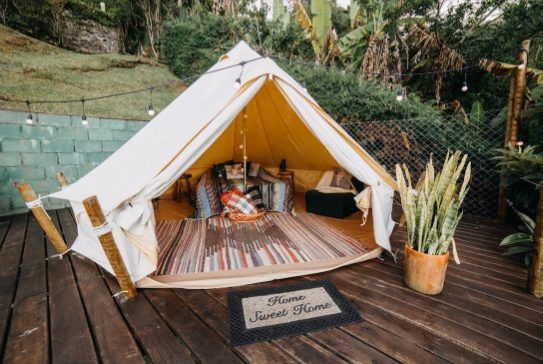
Heavier options, especially canvas-based shelters, tend to hold up better over time. They’re built differently. Thicker fabric, stronger structure, better at handling wind and temperature shifts. They’re not as portable, sure, but they’re not meant to be. They’re meant to last.
This is where people usually start looking beyond general outdoor stores and into more specialized options like the Wall Tent Shop, where the focus is on durable canvas tents and gear built for long-term outdoor use, especially in areas where weather conditions can’t be ignored and reliability matters more than convenience.
What sets that kind of gear apart isn’t just size or appearance. It’s how it handles stress—rain that doesn’t stop, wind that keeps pushing, nights that drop colder than expected. Good shelter doesn’t just cover you. It creates a stable space you can rely on.
And once that’s in place, everything else becomes easier.
Understanding Materials and Durability
Materials decide how long your gear lasts. It’s that simple.
Lightweight fabrics like nylon or polyester are common. They’re easy to carry, quick to set up, and work fine for short-term use. But they wear out faster, especially under constant exposure. The sun weakens them. Wind stretches them. Over time, small damage turns into failure.
Canvas is heavier. No way around that. But it handles wear differently. It resists tearing better, manages temperature more consistently, and doesn’t break down as quickly under pressure. That’s why it shows up in long-term setups more often.
Seams matter too. Weak stitching leads to leaks. Waterproofing helps, but it has limits if the base material isn’t strong. Ventilation is another piece—without it, moisture builds inside, even if rain stays out.
There’s always a trade-off. Lighter gear is easier to move. Heavier gear lasts longer. The right choice depends on how you plan to use it.
Matching Gear to Environment and Weather
Weather isn’t just background noise. It shapes every decision.
In dry, mild conditions, you can get away with simpler setups. But in areas with heavy rain, strong wind, or cold nights, gear has to do more. Insulation becomes important. So does airflow. You need protection from the outside, but you also need to manage what builds up inside.
Season matters too. Summer setups don’t always translate into winter use. Materials that breathe well in heat might not hold warmth when temperatures drop.
People often underestimate this. They assume one setup works year-round. It doesn’t. Conditions change, and gear has to match that change.
Ignoring the environment usually leads to problems. Sometimes small. Sometimes not.
Balancing Portability and Practical Use
Not all outdoor setups are meant to move often. Some are. Some aren’t.
If you’re hiking or moving daily, weight matters a lot. Every pound adds up. Compact gear becomes the priority.
But if you’re staying in one place—working a site, setting up a base camp—portability matters less. Stability matters more. Heavier gear makes sense because you’re not carrying it far. You’re using it repeatedly.
Setup time also plays a role. Quick setups are useful when moving often. More complex structures take longer, but they offer more comfort and durability once they’re in place.
There’s no single answer here. It depends on how often you move and how long you stay.
Essential Gear Beyond Shelter
Once shelter is handled, the rest of the setup fills in around it.
Sleeping systems come next. Pads, bags, maybe cots. Comfort matters more than people expect. Poor sleep affects everything else.
Cooking gear follows. Simple setups work fine—portable stoves, basic cookware. No need for anything complicated, just something reliable.
Lighting is easy to overlook. Then night comes, and it’s suddenly important. Headlamps, lanterns, backup batteries. Small things, big difference.
Tools matter too. Basic repair kits, knives, and small utility items. Things break. Being able to fix them keeps everything running.
It’s not about having everything. It’s about having what you’ll actually use.
Budget vs. Long-Term Value
Cheaper gear saves money upfront. That’s obvious. But it doesn’t always save money overall.
Low-cost items tend to wear out faster. You replace them more often. Over time, the cost adds up. Sometimes it exceeds what a better piece of gear would have cost in the first place.
Higher-quality equipment usually lasts longer. It handles stress better, needs fewer replacements, and performs more consistently.
That doesn’t mean buying the most expensive option every time. It means choosing gear based on use. Spend more where it matters—shelter, key equipment. Save where the risk is lower.
It’s a balance. But thinking long-term usually leads to better decisions.
Maintenance and Longevity of Outdoor Gear
Even good gear needs care. Without it, performance drops.
Cleaning matters. Dirt, moisture, and debris wear materials down over time. Letting gear dry properly before storage prevents mold and damage.
Regular checks help too. Small tears, loose seams, worn spots—catching them early makes repairs easier.
Storage plays a role. Keeping gear in a dry, protected space extends its life. Leaving it exposed when not in use shortens it.
None of this takes much time. But it makes a difference over months and years.
Choosing outdoor gear isn’t about collecting items. It’s about building a setup that works where you are, for as long as you need it.
Start with shelter. Make sure it’s solid. Then build outward—materials, tools, small details. Everything connects.
Good gear doesn’t just make things easier. It makes them possible. And once you’ve experienced that difference, it’s hard to go back.
