

In my opinion, the biggest planning mistake in pharma inspection projects is treating every check as a candidate for the inline station, when some checks genuinely belong offline, and forcing them inline only slows the line without adding reliability.
What Belongs Inline: Fast, Binary, High-Volume Checks
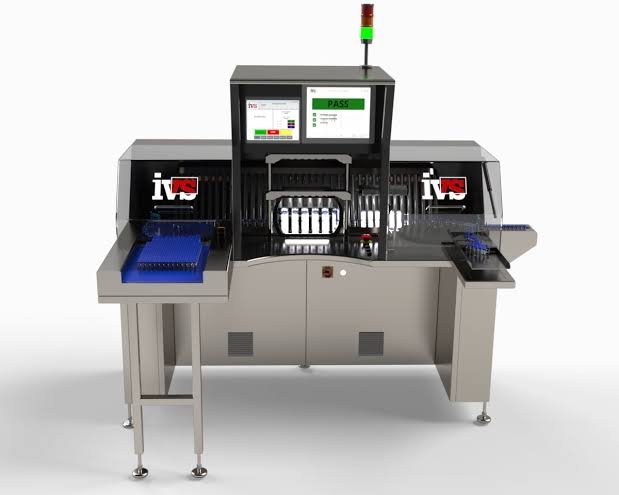
Tablet and capsule counting, obvious cracks, colour sorting and cap presence checks are natural inline candidates because they are fast, largely binary, and need to run at full line speed without holding up throughput. An automated inspection machine pharma teams place at the point of packaging catches problems before a batch moves any further down the line, when correction is still cheap. Choosing the right automated inspection machine pharma teams can rely on daily starts with mapping which checks genuinely need every-unit coverage, and which ones only feel that way out of habit.
What Belongs Offline: Slow, Nuanced or Low-Frequency Checks
Detailed print verification against a master artwork file, subtle dimensional variance across a full batch sample, or checks that need a human review step for ambiguous cases usually work better offline, on a sampling schedule. Forcing a slow check into an inline station either bottlenecks the line or pushes the vendor to loosen thresholds until the check stops meaning much. A well-run offline sampling schedule, audited on a fixed cadence, catches the same issues without forcing every check to keep pace with the fastest line on the floor.
The Regulatory Layer Changes the Calculation
Pharma adds a layer other industries skip: every inspection decision needs an audit trail a regulator can review years later. An inline station generating thousands of pass or fail decisions per shift needs storage, retrieval and traceability built in from day one, before an audit finding forces the issue. Offline checks, run in smaller batches, are often easier to document thoroughly precisely because there are fewer of them. Validate the data retention plan with your quality team before the equipment purchase, well before the first regulatory audit raises questions about it.
Where Visual Inspection Automation Earns Its Keep Fastest
Across the projects I have seen discussed in the field, visual inspection automation shows the clearest return on the highest-volume, repetitive inline checks first. The rare, complex checks that get the most attention in planning meetings usually pay off much later. A team that chases the hardest check first often stalls the whole automation project. Starting with high-volume counting or cap detection builds the internal confidence needed to tackle harder checks later, and that early win is usually what secures budget for the next phase of visual inspection automation across the rest of the line.
Draw the Line Before You Buy Equipment
Map every current manual check into inline or offline before evaluating vendors, using speed, decision complexity and audit requirements as the three questions. A vendor demo that looks impressive on a nuanced, low-frequency check may be solving a problem you never needed solved inline at all.
Budget for Requalification When Anything Changes
A new supplier for a packaging component, a revised tablet coating, or a machine firmware update can all quietly shift what an inline station sees, even when nothing about the product formula itself changed. Build a requalification checklist into the change control process from day one, covering which inspection points need a fresh validation run and who signs off on the result before the line restarts. Plants that treat requalification as an afterthought usually discover the gap during an audit, which is the most expensive possible moment to discover it. A checklist that already exists before the change happens turns a scramble into a routine step that quality and operations can both sign off on quickly.
Plan the Handoff Between Inline and Offline Data
Even when a check runs offline, the results should feed the same quality record as the inline data, on a schedule that matches your batch release timeline. Disconnected systems, one for inline pass or fail decisions and a separate spreadsheet for offline sampling, create the exact kind of audit gap a regulator will flag first. Build the data pipeline between the two before either system goes live, well before the first deviation report exposes the gap. A single connected record, reviewed the same way regardless of where the data originated, tends to survive an audit far better than two systems that were never designed to talk to each other.
