

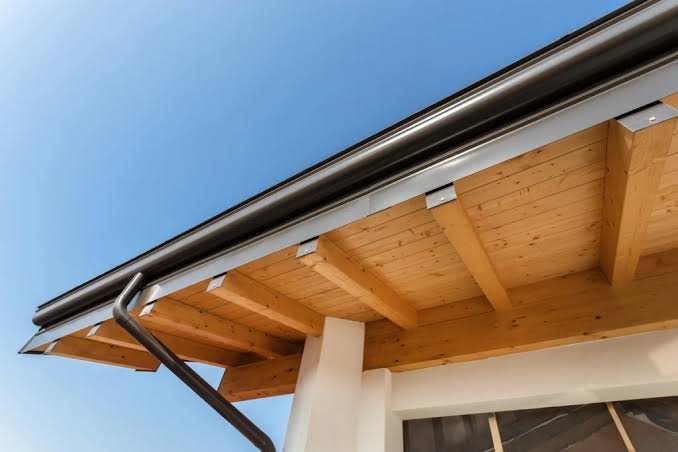
Wide eaves and overhangs can protect exterior walls, windows, and foundations by directing rain and sunlight farther away from the building. However, their extended design also creates roofing details that require careful installation and maintenance. Roof edges face wind, runoff, moisture, ventilation demands, and repeated temperature changes, while soffits and fascia below them must remain properly protected. Roofing services can evaluate how shingles, underlayment, flashing, gutters, ventilation openings, and edge components work together. Careful attention around wide overhangs helps water drain properly, supports airflow beneath the roof deck, and reduces avoidable deterioration along vulnerable perimeter areas.
-
Wider Overhangs Increase Exposure to Wind and Weather
Wide eaves extend farther beyond exterior walls, leaving more of the roof perimeter exposed to wind moving around and beneath the structure. During severe weather, uplift forces can add stress to shingles, metal edging, soffit panels, and perimeter fastening points. Roofing services can inspect these areas for loose materials, lifted edges, missing fasteners, or sections where previous repairs no longer provide secure coverage. The roof edge also takes direct exposure to rain and temperature changes, so small weaknesses can become more noticeable over time. Proper edge detailing helps keep roofing materials secured while directing water toward the intended drainage system. Contractors can also examine whether drip edge components extend and overlap correctly at transitions. This matters because the roof perimeter is not simply a decorative boundary. It is a working part of the roofing system that must resist weather while protecting the fascia, roof deck edges, and structural components located beneath the extended overhang.
-
Drip Edges and Gutters Need Coordinated Water Control
Rainwater traveling across a roof must leave wide overhangs without repeatedly wetting fascia boards, soffits, or the underside of the roof edge. Drip edge placement and gutter alignment therefore become important parts of perimeter performance. Homeowners considering Gettysburg roofing services from Bealing Roofing & Exteriors may want the roof edge reviewed as one connected drainage area rather than treating gutters and roofing materials as unrelated components. Roofing services can check whether runoff enters the gutter properly, whether water moves behind the gutter, and whether the drip edge stays securely positioned. Wide eaves may also create longer fascia surfaces where small drainage problems can spread across a larger area. If gutters pull away, overflow regularly, or sit too low, repeated moisture can affect paint, wood, fasteners, and surrounding roof components. Coordinating roof edges with gutter placement helps water move away from the building more predictably. It reduces the chance that runoff follows unintended paths beneath the extended roof.
-
Soffit Ventilation Must Remain Open and Balanced
Wide overhangs often provide valuable space for soffit ventilation, which can help move outdoor air into the attic as part of a balanced roof ventilation system. However, ventilation openings work effectively only when they stay clear and are coordinated with exhaust ventilation higher on the roof. Roofing services can inspect soffit areas for blocked vents, damaged panels, insulation interference, clogged insect screens, or previous modifications that reduce airflow. This matters because adding more vent openings doesn’t automatically improve attic conditions if the overall ventilation path is poorly balanced. Wide eaves may offer significant intake area, but that intake must connect with clear pathways inside the attic. Contractors can also look for signs that moisture or heat is affecting roof decking near the perimeter. By reviewing soffit ventilation alongside roof condition, insulation placement, and upper exhaust points, roofing services can help the extended eave perform as part of a complete moisture and temperature management strategy rather than merely an architectural feature.
-
Fascia and Soffits Need Protection From Hidden Moisture
Because wide overhangs create more exposed fascia and soffit surface, hidden moisture problems can develop across a larger section before they become obvious from the ground. Water may enter through damaged shingles near the edge, poorly installed flashing, overflowing gutters, loose drip edge, or failed joints around roof transitions. Once moisture reaches fascia boards or enclosed soffit areas, paint may peel, wood can soften, and staining may develop beneath the roof perimeter. Roofing services can inspect these areas from above and below to identify whether visible damage originates from the roofing system or another exterior component. This distinction matters because replacing fascia without correcting the water source may allow the same damage to return. Contractors can also review connections near corners, valleys, and roof changes where runoff may be concentrated. Keeping these perimeter materials dry helps preserve the structural and finished components supporting the overhang while reducing the chance that a small roof-edge leak remains hidden until deterioration becomes more extensive.
-
Wide Eaves Can Affect Snow and Debris Accumulation
Extended overhangs can influence where leaves, twigs, pine needles, snow, and other debris collect along roof edges. Material that remains trapped near gutters or behind roof features can slow drainage and keep moisture against shingles or metal components. In colder conditions, roof edges can also experience different temperatures from areas above heated interior space, which may influence how snow and ice behave along the perimeter. Roofing services can check whether drainage points stay open and whether recurring debris contributes to moisture retention. Routine inspection is useful because homeowners may see the visible surface of a wide overhang while missing buildup farther upslope or inside gutters. Carefully removing debris and correcting areas where water consistently slows can support more reliable drainage. Contractors can also look for loose roofing materials or edge damage that may have occurred under accumulated snow or during previous storms. Keeping the extended perimeter clear helps the roof respond more predictably when weather places additional demand on drainage and edge components.
-
Maintenance Access Helps Catch Perimeter Problems Earlier
Wide eaves can make some roof edges harder to inspect because the perimeter may extend over porches, landscaping, lower roofs, or exterior features that complicate ladder placement. Roofing services let you review these areas without relying only on what you can see from windows or the ground. Regular inspections can identify lifted shingles, deteriorated sealant, loose flashing, damaged fascia, clogged drainage points, or soffit changes before they affect a larger portion of the roof. Access planning also matters when gutters, vents, or edge materials need repair because workers require enough room to reach those components without damaging nearby surfaces. A consistent maintenance approach can be particularly useful after heavy wind, storms, or seasonal debris buildup. Wide overhangs perform several protective functions, but those same dimensions create more perimeter area that needs observation. Checking the extended edges as part of routine roof care helps homeowners address localized concerns before they develop into broader drainage, ventilation, or moisture problems.
Supporting Long-Term Performance Around Wide Overhangs
Roofing services support better performance around wide eaves and overhangs by addressing the details that control water, airflow, weather exposure, and perimeter durability. Properly installed drip edges, aligned gutters, open soffit ventilation, protected fascia, and secure roofing materials all contribute to dependable roof function. Regular inspection can also reveal debris buildup, moisture damage, loose edges, or drainage concerns that are difficult to notice from the ground. When these extended roof areas receive the same attention as the main roof surface, they can continue protecting walls and openings while supporting effective ventilation and water management throughout the roofing system over time.
