

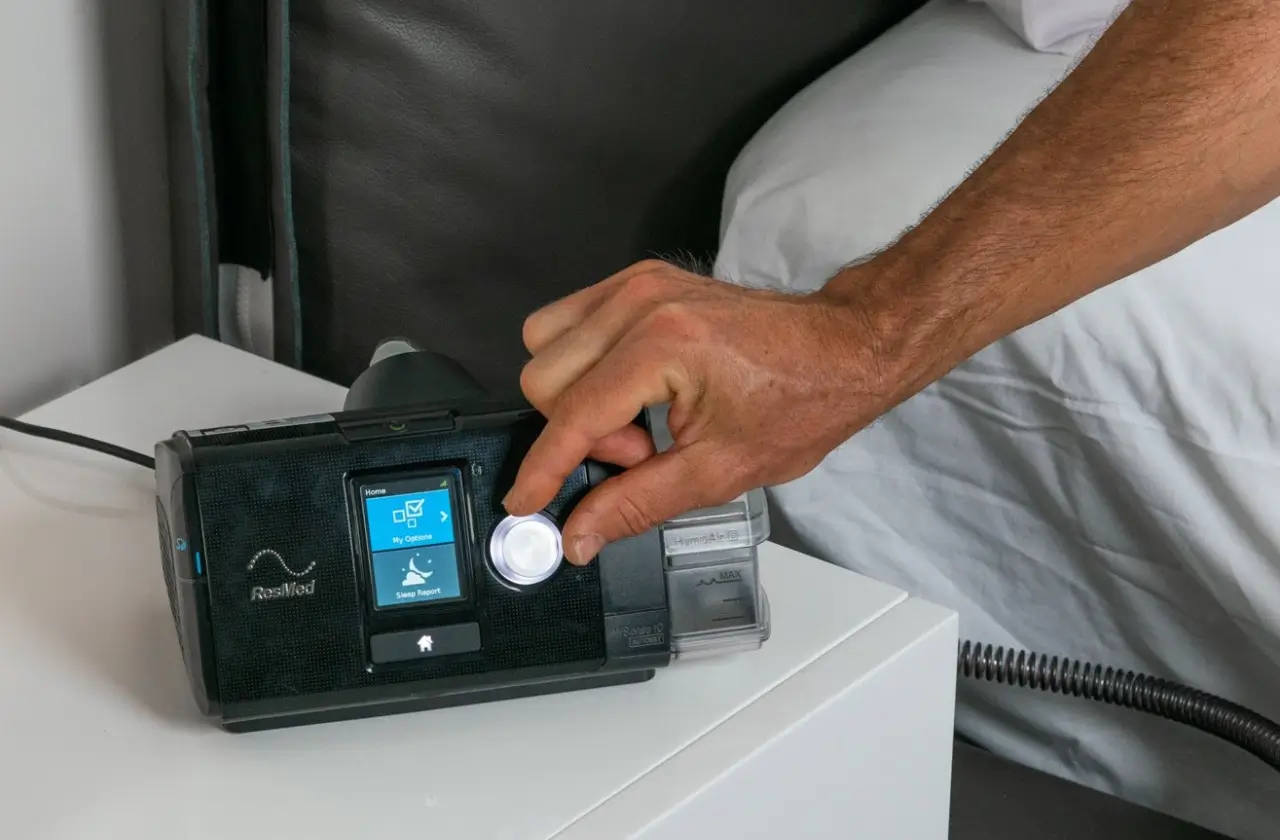
To successfully treat sleep apnea a well-established CPAP device is needed, and the AirSense 10 is not an exception. Although this device is supposed to be user-friendly, small mistakes during set-up may lead to major issues on the comfort, effectiveness of treatment, and long-term adherence. This information will enable the users to get maximum use of their AirSense 10 even in the initial stages by a better comprehension of the most common pitfalls and how they can be prevented.
Inappropriate Position of the gadget
The most glaring error that the users of the AirSense 10 make is to place it in the wrong location. Placing a device excessively high or too low or on a shaky surface may cause problems like the backflow of water, or an uneven flow of air.
The AirSense 10 should, hopefully, be on a level but slightly lower table than the mattress, which is a stable bedside table. This would avoid backflow of condensation to the tubing and give a uniform flow of air. Maintaining space near the device is also a way of maintaining good ventilation which promotes optimum performance during the night.
Improper Humidifier Setup
One of the major comfort features of the AirSense 10 is its built-in humidifier, which however diminishes its efficiency when improperly set up. Other users may overfill or underfill the chamber holding the water which may cause some discomfort or cause condensation to occur in the tubing.
to avoid the accumulation of mineral the water chamber should only be filled to the marked maximum line, and clean, preferably distilled, water should be used. The proper positioning of the humidifier within the device helps prevent leakages and leakage as well as provide steady supply of moisture throughout therapy. The humidifier will improve overall comfort when properly configured and allows a person to combat dryness in the nose and throat.
Ventilation: Fit and Seal Problems
Improper fitting of masks is another common problem with the AirSense 10 system. In spite of the machine working well, when the mask is not sealed well enough, air may leak and the treatment efficiency will be low as well as sleep disturbed.
Users are to take time to ensure that they are adjusted to their masks when relaxed in their natural sleeping position. The AirSense 10 has a mask fit which identifies the existence of hermetic leaks prior to obtaining sleep. Even minor modifications of headgear straps or cushions positioning can significantly expand the seal and contribute to better quality of therapy. A snugly fitting mask would provide even pressure of air all night long.
Neglecting Tubing Arrangement
Comfort and performance may also be influenced by the layout of tubing. In case of the tubing being entangled, stretched, or pinned together beneath bedding, it can pull on the mask resulting in leaks or discomfort.
To prevent this, the tubing ought to be given a freedom of movement at the time of sleep. There are also those who also find it advantageous to have a hose holder or even to run the tubing over the bed to minimize tension. The solution of appropriate tubing control can ensure the stable position of the mask, as well as minimize the nighttime unnecessarily frequent interruptions.
Not paying attention to Ramp and Comfort Settings
The AirSense 10 has got the ramp time and pressure relief, that are aimed at making the therapy more comfortable at the onset of sleep. Yet, numerous users either turn these settings off or do not change them depending on their requirements.
The ramp settings offer the user a gradual increase in pressure which results in a smoother transition to the therapy as he or she falls asleep. On the same note, pressure relief will minimise pain at the time of exhalation. Proper adjustment of these settings may yield great benefits to comfort, particularly among first-time users, who are still acclimating to the CPAP therapy.
Creating a more successful Pre-school Routine
The key to preventing setups errors when using the AirSense 10 is creating a consistent routine. Most frequent problems can be prevented with checking levels of water, making sure that the mask fits, and providing tubing prior to sleeping. This routine becomes habitual and over time it will sustain continuous high quality therapy.
With properly configured settings, the AirSense 10 provides a good and reliable sleep apnea therapy. It is possible that users can enhance the quality of their sleep and the success of their long-term therapy by making sure that they do not commit a set-up error and that all set-ups are considered.
