

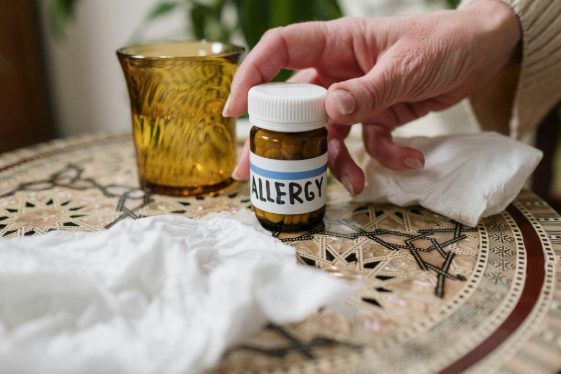
We think we still have allergy season in the springtime. That’s a distant memory. Pollen seasons are arriving sooner and lasting longer.
Fewer people in North America and Europe have been impacted by it than were two decades ago. In recent months, above-average regional temperatures have lengthened the growing season across the country. And it’s prompting Americans to rethink how they manage their health.
Moving away from a reactive stance of addressing sneezing, itchy eyes, and a stuffed nose, Americans are moving toward proactively addressing these symptoms before they even feel sick.
Why More People Are Taking Allergies Seriously Earlier
People are responding earlier to the triggers of a prolonged pollination period. Researchers found that spikes in temperature, pollution from cities, changes in rainfall, and warmer winters all increase allergic reactions and zap our energy even more.
According to the US Environmental Protection Agency, global warming actually causes more “aerosolized” allergens and deterioration of respiratory health. You may have experienced these effects already in many day-to-day aspects of work. For example: lack of sleep, sluggishness in the head and body, headaches, itchy eyes, sinus pressure, etc.
Allergies can make it hard to concentrate, making it harder to work. Departmental research can also be applied to studies on indoor air quality, airborne irritants, and poor ventilation for similar causes. People in this age group, in particular, are smoking, purchasing air purifiers, taking humidity readings, sleeping on allergy-resistant beds, changing air filters, living in congested city centers, and also experiencing high pollen counts.
The Hidden Reason Symptoms Feel Worse Each Year
Researchers are actively investigating the effect that increased temperature has on the production of pollen and the prevalence of climate-related allergies. Current literature review with findings released in 2025 via Wiley has suggested that climate change may be responsible for higher pollen counts and extended allergy seasons across multiple areas.
A second potential insidious consequence is the urban heat island effect, common to most large cities. Urban pavements provide insulation from daytime heat. This heat is later released at night, so that plants may flower early and release allergens before the onset of cold weather; with pollution from outside urban areas, this can aggravate respiratory problems.
This accounts for early medication before symptoms appear, when everyday pollen levels may not be high enough to initiate a reaction in some. Taking a shower after being outside, regular vacuuming of upholstery, and keeping the windows shut tight during high pollen seasons may prevent allergens from entering the home.
Why Smart Households Prepare Before Symptoms Begin
In addition, more consumers are actively researching seasonal allergy treatment products, which reign supreme. Rather than squeezing into the local clinic before symptoms get out of control, consumers are creating and implementing allergy relief plans early.
Those remedies may consist of antihistamines, saline washes, sprays, and breathing-assistance goods designed to eliminate some of the most common seasonal discomforts. It may be difficult to locate products to alleviate seasonal allergies when congestion, coughing, and sinus irritation are no longer manageable, so familiar internet chemist shops like Kiwi Drug have become a prized source for people in need of seasonal allergy remedies.
This shift reflects a broader global wellness trend. People want easier access to preventive care tools because allergy seasons no longer feel short or predictable.
The Rise Of Preventive Respiratory Wellness
Prevention is expanding quickly beyond the realm of exercise and nutrition. It should be included in our daily respiratory health measures as spring temperatures become earlier and the pollen season lengthens.
And is detectable in Google Trends: significant searches are still made in late winter-early spring for a pollen-count mobile application, devices to measure indoor quality, and redish ‘anti-allergy’ tablets.
Many people no longer view allergies as a temporary inconvenience. They see them as recurring health challenges that deserve earlier attention and smarter preparation.
Your Next Allergy Season Starts Sooner Than You Think
It’s not only the changing of the seasons that’s surprising people. As pollen counts fall and temperatures increase, the uncertain influences of the environment are turning back the clock for millions, forcing them to plan months in advance of symptoms. If you really want to cut down on all the disruptions to your sleep, concentration, and nightly sleep comfort, being prepared will be key.
Starting to record pollen counts, freeing your home air from potential allergens, and taking the necessary steps to have allergy control measures in place against pollen before allergy season hits can be the difference. Those who come prepared are generally better able to breathe when allergy season hits hard.
