

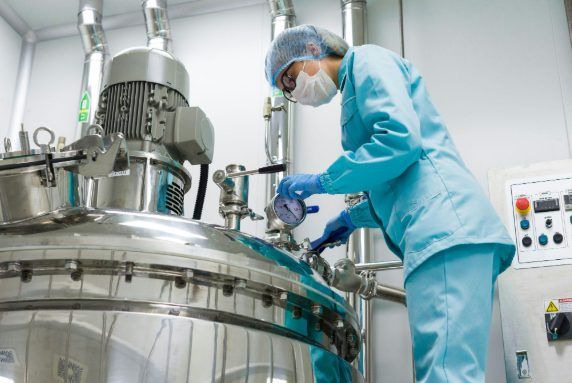
Navigating a career in process engineering offers a blend of technical challenge and opportunities for advancement into other roles. Process engineers are responsible for designing, operating, and refining chemical processes used in manufacturing. As Mani Erfan notes, their work ensures that production runs smoothly and that efficiency and safety standards are met at every stage.
In many chemical plants, process engineers oversee the integration of new technologies to optimize production lines and lower operational costs. They may also be involved in troubleshooting system bottlenecks, adapting to evolving environmental regulations, and working closely with other departments to achieve operational goals.
Their expertise is vital in industries such as pharmaceuticals, petrochemicals, and food processing, where precise control over chemical reactions and equipment is essential. Companies rely on process engineers to troubleshoot issues, maintain regulatory compliance, and support sustainable practices throughout the production cycle.
Core Skills and Qualifications
A strong educational foundation, typically a bachelor’s degree in chemical engineering or a related discipline, is essential for those entering process engineering. Many professionals further strengthen their credentials by mastering simulation software and data analysis tools tailored for process optimization.
Success in this field also depends on a solid understanding of safety protocols and regulatory standards. Exposure to industry-specific certifications or hands-on training in advanced manufacturing techniques can further differentiate candidates.
Whether through industry workshops or professional certifications, those who stay up to date with the latest technologies and methods are better positioned for advancement. Employers place a premium on individuals who demonstrate technical know-how and a commitment to ongoing professional growth. In addition, the ability to adapt quickly to new challenges is especially valuable in a rapidly changing industry.
Pathways for Career Growth
Process engineers frequently move into senior technical roles or transition toward project management as they gain experience. Some choose to specialize in areas such as process safety or environmental compliance, broadening their expertise within the industry. Earning credentials like Six Sigma or PMP can provide a competitive edge when seeking new opportunities.
Climbing the career ladder often means taking on larger, more complex projects and developing leadership abilities. Those who excel at mentoring junior staff and coordinating cross-functional teams are often tapped for higher-level positions. With each step, engineers expand their influence, helping shape their organizations’ direction.
Shifting from Technical to Leadership Roles
Transitioning from technical positions to leadership roles often requires a mindset shift. Process engineers stepping into management are expected to guide teams, delegate tasks, and drive strategic decisions that impact the broader organization. The focus expands from technical details to fostering collaboration and aligning project goals with company vision. Successful leaders often invest time in understanding their team members’ strengths and weaknesses to maximize collective performance.
Effective leaders in the chemical industry are known for their ability to communicate complex ideas clearly and inspire confidence among team members. Those who master negotiation and conflict resolution skills find themselves better equipped to handle the diverse challenges that arise during large-scale projects.
Building Proficiency in the Industry
Developing executive competence means acquiring a broad set of skills beyond engineering expertise. Strategic vision, financial literacy, and market awareness become increasingly important as professionals advance. Many choose to pursue business education, such as an MBA, or take part in leadership development programs to prepare for higher-level responsibilities.
Leading cross-functional initiatives and engaging in industry networking can also accelerate growth. By participating in multidisciplinary projects or joining professional associations, engineers build relationships that open doors to executive opportunities and unlock a deeper understanding of market trends.
Lessons from Industry Leaders and Overcoming Challenges
Stories of process engineers rising to executive leadership often highlight resilience and adaptability. One chemical company executive started as a plant engineer and navigated numerous operational challenges before moving into senior management, crediting mentorship and ongoing self-improvement for their success.
Barriers such as skill gaps, resistance to change, or limited visibility can make advancement difficult. Many find that seeking guidance from experienced leaders and embracing personal development strategies helps them overcome obstacles and thrive in new roles. A willingness to embrace innovative thinking and collaborate with diverse teams often marks those who successfully transition to higher levels.
