

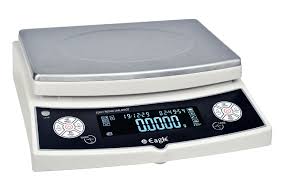
In a world driven by precision and authenticity, the smallest details can make the biggest difference. Whether you’re baking a cake to perfection or weighing precious metals for resale, accuracy is everything. That’s where kitchen scales and jewellery scales come into play—two humble tools that are critical in maintaining quality and trust in both domestic and commercial spaces.
These scales may serve different industries, but they share a common purpose: ensuring consistency, transparency, and reliability. In this article, we explore the role of kitchen and jewellery scales in daily life, business, and beyond, and how they contribute to confidence in every measurement.
Understanding the Tools: Kitchen Scales vs. Jewellery Scales
What Are Kitchen Scales?
Kitchen scales are designed to measure food ingredients with accuracy. They’re essential for cooking, baking, portion control, and even meal prepping. Most modern kitchen scales come with features like:
-
Digital displays
-
Tare function (to exclude container weight)
-
Unit conversion (grams, ounces, ml, etc.)
-
Compact, sleek design for countertop use
What Are Jewellery Scales?
Jewellery scales are high-precision instruments designed to weigh very small, valuable items. They are commonly used by:
-
Jewellers
-
Pawn shops
-
Precious metal traders
-
Gemstone evaluators
These scales measure in fine increments—milligrams (mg), carats (ct), grains (gn), or pennyweights (dwt)—making them ideal for valuing gold, silver, platinum, and gemstones.
In the Kitchen: Elevating Culinary Standards
Precision in Cooking and Baking
Great recipes require accurate measurements. A slight deviation can change the texture, taste, and outcome—especially in baking, where chemistry matters. Kitchen scales help ensure that:
-
Ingredients are measured exactly as intended
-
Results are consistent every time
-
Recipe conversions (from cups to grams) are accurate
For home cooks and professional chefs alike, precision equals perfection.
Support for Specialized Diets
Those managing calorie intake or following special diets (e.g., keto, diabetic, gluten-free) rely on accurate food weights to:
-
Calculate macros and calories
-
Manage portion sizes
-
Track nutritional intake with apps
Kitchen scales support healthy lifestyles through measurable control.
Meal Prepping and Food Waste Reduction
Portioning meals in advance helps save time and reduce waste. With a kitchen scale, users can:
-
Prepare consistent meal sizes
-
Store food efficiently
-
Avoid overbuying or overcooking
In commercial kitchens, this reduces cost and ensures portion integrity for customers.
In the Jewellery Industry: Building Trust Through Transparency
Accurate Valuation of Precious Materials
When buying or selling gold, silver, or gemstones, even a 0.01 gram difference can significantly impact the value. Jewellery scales offer:
-
Unmatched accuracy
-
Legally accepted weight measurements
-
Transparent pricing practices
Customers are more likely to trust businesses that use professional-grade weighing systems during appraisals.
Legal and Compliance Standards
Many countries require certified scales for commercial transactions in precious metals. Using approved jewellery scales helps businesses:
-
Comply with trade regulations
-
Avoid legal disputes
-
Maintain credibility in the market
Precision isn’t just good practice—it’s a legal obligation in many cases.
Building Customer Confidence
Imagine selling a gold ring without offering a clear weight or proof of evaluation. Customers may question your integrity. Jewellery scales allow sellers to:
-
Weigh items in front of customers
-
Show real-time measurements
-
Justify pricing with visible metrics
This transparency builds long-term trust and repeat business.
Shared Traits: How Both Scales Build Confidence
1. Trust Through Accuracy
Whether it’s 200 grams of flour or 2.5 grams of gold, accuracy eliminates guesswork. Consumers, chefs, and traders alike want certainty in their measurements.
2. Quality Assurance
Both kitchen and jewellery scales contribute to quality control:
-
In kitchens: Consistent taste and texture
-
In retail: Consistent pricing and valuation
They ensure the final product lives up to expectations.
3. Professionalism and Presentation
Using a digital scale—rather than eyeballing or estimating—signals professionalism. Whether it’s a baker weighing dough or a jeweller measuring a stone, it shows attention to detail and commitment to excellence.
Technology and Modern Advancements
Digital Integration
Both kitchen and jewellery scales have evolved with technology:
-
Auto-calibration for sustained accuracy
-
Touch-screen interfaces
-
Bluetooth or Wi-Fi syncing with apps
-
Tare functions for net weight measurements
-
Unit conversions for international use
These upgrades make them user-friendly, reliable, and efficient.
Smart Features
Some premium models offer:
-
Nutritional tracking in kitchen scales (e.g., calories, fat, carbs)
-
Density mode in jewellery scales for gemstone volume estimation
-
Rechargeable batteries or solar-powered options
-
Waterproof and dustproof designs for industrial use
Smart functionality enhances user experience and extends product lifespan.
Choosing the Right Scale for the Right Task
Kitchen Scale Buying Tips
-
Capacity: Choose a model that supports up to 5–10 kg for home use
-
Precision: 1g to 0.1g increments are ideal
-
Platform size: Should accommodate bowls or containers
-
Units: Ensure multiple conversion options (g, oz, ml, lb)
-
Tare function: Essential for subtracting container weight
Jewellery Scale Buying Tips
-
Precision: Look for 0.01g or even 0.001g readability
-
Units supported: Grams, carats, grains, pennyweights
-
Calibration support: Auto or manual calibration options
-
Legally certified: Especially for commercial/resale use
-
Portability: Compact, lightweight models for mobile traders
Practical Use Cases
A. Home Bakers & Chefs
By using a kitchen scale, they ensure:
-
Perfect pasta every time
-
Uniform cookies and cakes
-
Balanced seasoning in sauces
-
Reduced ingredient wastage
B. Gold Traders & Retailers
A jewellery scale helps:
-
Authenticate and price second-hand gold
-
Prevent disputes during buybacks or exchanges
-
Ensure honest dealing and repeat customers
C. Small Businesses & Artisans
Cottage industries or Etsy sellers dealing in spices, chocolates, handmade soaps, or beaded jewellery use precision scales to:
-
Standardize product sizes
-
Package items based on accurate weights
-
Calculate pricing based on material cost per gram
Industry Regulations and Certifications
Many countries have legal metrology departments that mandate specific standards for trade scales, especially in:
-
Food packaging
-
Precious metal transactions
-
Market inspections
Buying certified kitchen or jewellery scales not only ensures compliance but also protects your business from potential fines and lawsuits.
From mixing ingredients in a kitchen to appraising a diamond in a boutique, kitchen scales and jewellery scales are tools that go beyond numbers. They represent a commitment to precision, professionalism, and trust.
In an age where quality is the ultimate differentiator, these small yet powerful devices help ensure that what you offer—whether a recipe or a retail item—is consistent, accurate, and worthy of confidence.
