

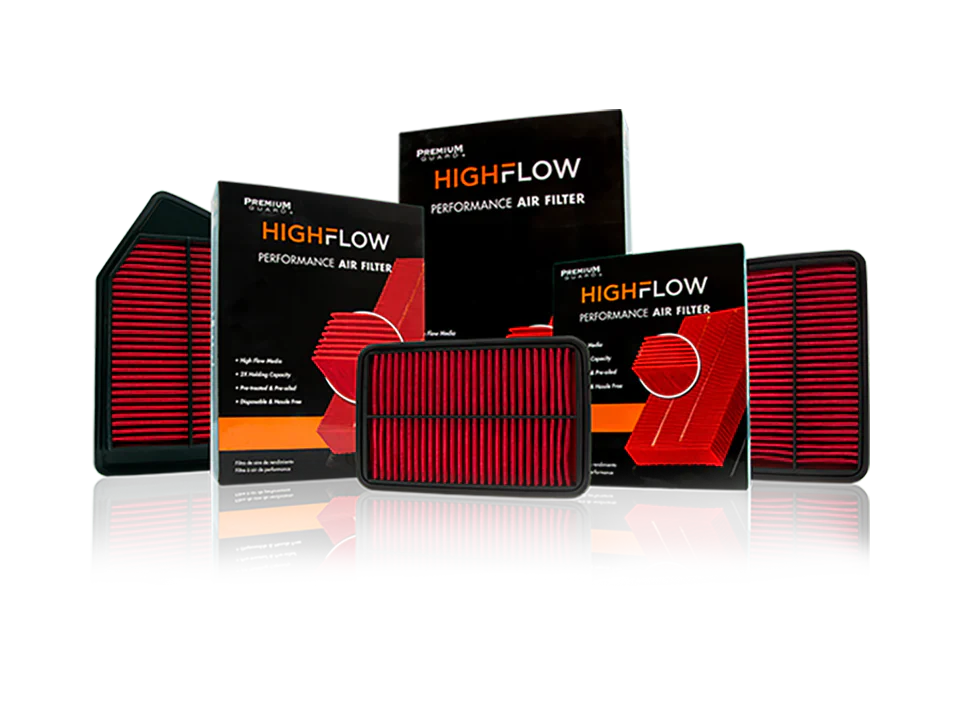
Vehicle filters are critical components that ensure the smooth functioning of your vehicle. These filters are designed to keep various systems clean, efficient, and safe from contaminants that could lead to costly repairs or diminished performance. Understanding the different types of vehicle filters and their roles can help you maintain your vehicle in top condition and optimize its performance.
Below, we delve into the primary types of vehicle filters and their impact on your vehicle’s efficiency, longevity, and overall performance.
1. Air Filters: Enhancing Engine Efficiency
Air filters prevent dust, dirt, and other debris from entering your vehicle’s engine. A clean air filter ensures the engine receives a steady flow of uncontaminated air, which is essential for the combustion process.
-
Types of Air Filters:
-
Paper Air Filters: Common in most vehicles due to their affordability.
-
Foam Air Filters: Durable and reusable, often found in off-road and performance vehicles.
-
Cotton Gauze Air Filters: Known for superior airflow and filtration, popular in high-performance vehicles.
-
-
Impact on Performance:
A clogged air filter reduces engine efficiency, leading to lower power output and increased fuel consumption. For those driving in dusty or rugged terrains, off-roading vehicle filters with enhanced filtration capabilities are essential to protect the engine and maintain peak performance.
2. Oil Filters: Protecting Engine Longevity
Oil filters remove contaminants from the engine oil, such as dirt, metallic particles, and sludge. Clean engine oil ensures smooth lubrication of engine components, preventing wear and tear.
-
Types of Oil Filters:
-
Full-Flow Filters: Commonly used in most vehicles, filtering all the oil before it circulates through the engine.
-
Bypass Filters: Supplement full-flow filters by removing finer particles.
-
Cartridge Filters: Eco-friendly options with replaceable filter elements.
-
-
Impact on Performance:
Dirty oil can cause increased friction, overheating, and eventual engine damage. Regularly replacing the oil filter improves fuel efficiency and prolongs engine life. For vehicles frequently exposed to heavy loads or high speeds, upgrading to high-quality vehicle performance parts like advanced oil filters can provide added protection.
3. Fuel Filters: Ensuring Optimal Combustion
Fuel filters prevent contaminants such as rust, dirt, and debris from entering the fuel system. Clean fuel is essential for efficient combustion and engine performance.
-
Types of Fuel Filters:
-
Inline Fuel Filters: Located along the fuel line, these are easy to access and replace.
-
In-Tank Fuel Filters: Found inside the fuel tank, providing initial filtration.
-
Spin-On Fuel Filters: Common in diesel engines for efficient filtering.
-
-
Impact on Performance:
A clogged fuel filter can restrict fuel flow, causing poor acceleration, stalling, and reduced fuel efficiency. Regular inspection and replacement ensure consistent fuel delivery and optimal combustion.
4. Cabin Air Filters: Improving Passenger Comfort
Cabin air filters are responsible for purifying the air inside your vehicle. They trap dust, pollen, and other allergens, ensuring a clean and comfortable environment for passengers.
-
Types of Cabin Air Filters:
-
Particulate Filters: Focused on trapping solid particles like dust and pollen.
-
Activated Carbon Filters: Provide additional filtration for odors and harmful gases.
-
Electrostatic Filters: Advanced filters that use static electricity to capture finer particles.
-
-
Impact on Performance:
While cabin air filters don’t directly affect engine performance, a clogged filter can reduce airflow to the HVAC system, leading to inefficient cooling or heating. Replacing this filter improves air quality and enhances overall passenger comfort.
5. Transmission Filters: Maintaining Gearbox Health
Transmission filters keep the transmission fluid clean by trapping contaminants such as metal shavings and dirt. Clean transmission fluid ensures smooth gear shifts and protects the transmission system from wear.
-
Types of Transmission Filters:
-
Inline Transmission Filters: Located within the fluid lines for easy maintenance.
-
Cartridge Transmission Filters: Found inside the transmission housing, requiring disassembly for replacement.
-
-
Impact on Performance:
Dirty transmission fluid can cause delayed or rough gear shifts, overheating, and eventual transmission failure. Regularly replacing the transmission filter ensures the longevity of the gearbox and improves driving performance.
6. Hydraulic Filters: Ensuring Precision in Specialized Systems
Hydraulic filters are critical for vehicles with hydraulic systems, such as power steering and automatic transmissions. They remove contaminants from the hydraulic fluid, ensuring smooth operation and precise control.
-
Types of Hydraulic Filters:
-
Spin-On Hydraulic Filters: Easy to replace, commonly used in automotive applications.
-
Suction Filters: Placed at the fluid reservoir to prevent contaminants from entering the system.
-
-
Impact on Performance:
Contaminated hydraulic fluid can lead to erratic steering, increased wear on hydraulic components, and reduced system efficiency. Regular maintenance of hydraulic filters keeps the system responsive and reliable.
How to Maintain Vehicle Filters for Optimal Performance
Maintaining your vehicle filters is essential to keep your car running efficiently. Here are some tips:
-
Follow Manufacturer Guidelines: Always adhere to the recommended replacement intervals for each filter type.
-
Inspect Filters Regularly: Check for visible signs of dirt or damage, especially if you drive in harsh conditions.
-
Upgrade When Necessary: Consider high-performance filters for vehicles subjected to extreme conditions, such as off-roading or towing.
-
Use Quality Filters: Invest in filters from reputable brands to ensure durability and effectiveness.
The Role of Filters in Performance Vehicles
For high-performance or off-road vehicles, filters play an even more crucial role. Specialized filters designed for high airflow and superior filtration are necessary to handle the increased demands of these vehicles. For example, off-roading vehicle filters are built to withstand dusty environments, ensuring that your engine and other systems remain protected during challenging adventures. Similarly, performance-focused filters can enhance horsepower, torque, and fuel efficiency in vehicles built for speed or heavy-duty tasks.
Summary
Vehicle filters may seem like minor components, but their role in maintaining your vehicle’s health and performance is undeniable. From ensuring clean air and fuel for your engine to providing a comfortable cabin environment, each filter type serves a specific purpose. Neglecting filter maintenance can lead to reduced efficiency, increased emissions, and costly repairs.
Whether you drive a standard sedan or a high-performance vehicle, investing in quality filters and replacing them regularly is key to optimizing performance and extending the life of your car. For those who rely on specialized vehicles, upgrading to advanced vehicle performance parts like high-quality filters can provide significant benefits.
By understanding the different types of vehicle filters and their impact, you can take proactive steps to keep your vehicle running at its best, no matter the road or terrain.
