

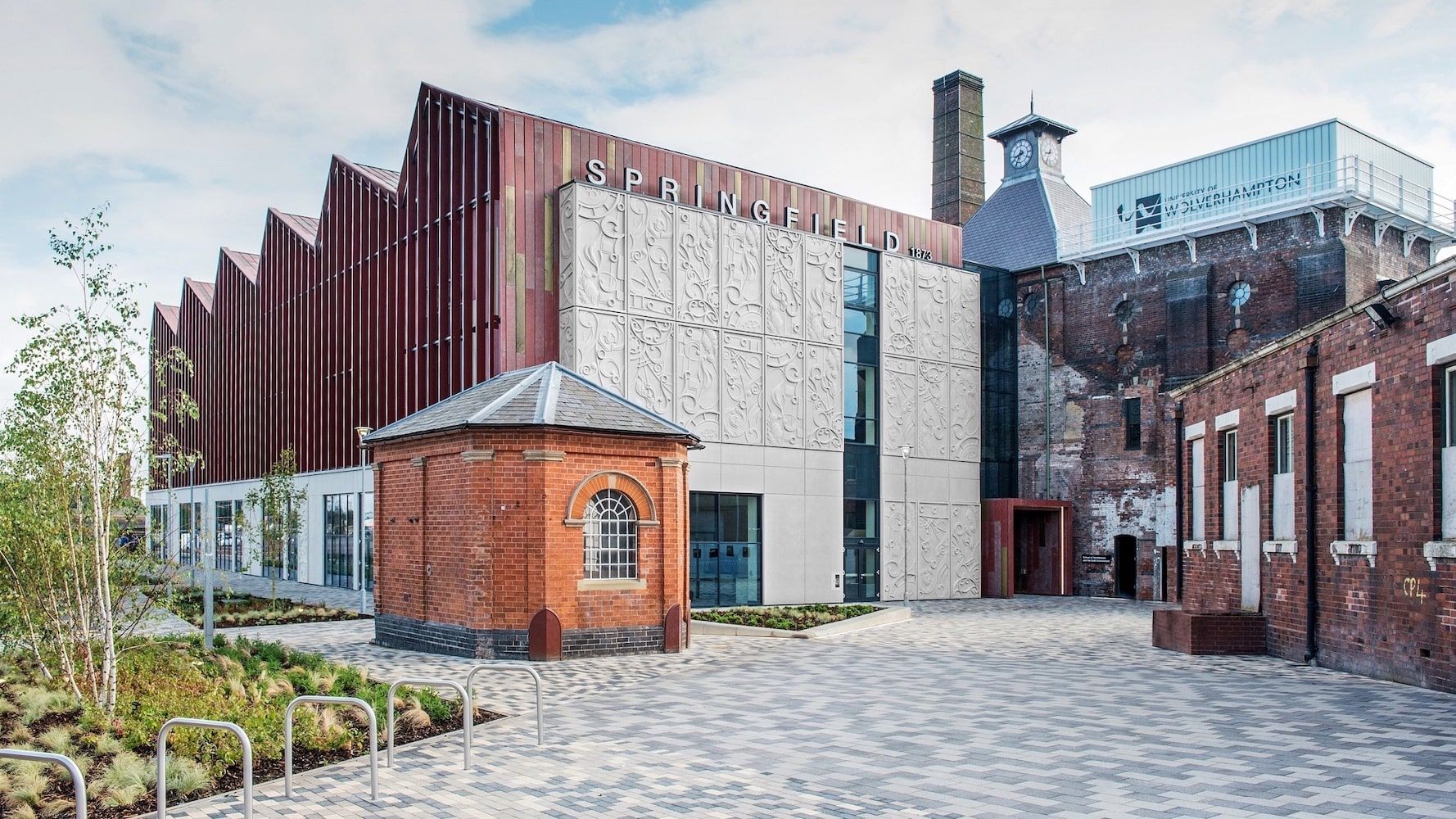
Adaptive reuse engineering is a prominent avenue for transforming underutilized buildings, such as old warehouses, into revitalized spaces—like modern offices—that meet the demands of today’s workforce. This sustainable approach not only helps in preserving the architectural essence of historic buildings but also meets modern day functional requirements, maximizing ROI on old properties. While converting industrial spaces to office environments, structural change of use presents unique engineering challenges. Understanding these obstacles thoroughly is crucial for a successful transformation.
The Engineering Scope of Adaptive Reuse
Assessment of Existing Structures
The first step in adaptive reuse is conducting a comprehensive assessment of the building’s current condition. This includes evaluating the structural integrity, existing materials, and the overall design of the warehouse. For companies like ProStruct that specialize in structural evaluations, it’s essential to determine if the existing framework can support new design loads and meet updated building codes.
Integrating Modern Infrastructure
Updating an old warehouse for current office use often requires the integration of modern infrastructure. This involves major systems such as HVAC, electrical, plumbing, and technology. Designing these systems in a way that they blend with the building’s historical architecture, while ensuring functionality and compliance with energy codes, is a challenging task for engineers.
Addressing Structural Changes
Load-Bearing Adjustments
When converting a warehouse into office space, engineers often face the challenge of modifying load-bearing walls. Removing or altering these elements to create an open-plan office layout demands careful planning to maintain structural stability. At ProStruct, we conduct detailed analysis and design reinforcements that meet these new load requirements.
Seismic and Safety Compliance
Older buildings might not meet current seismic codes, which is a significant concern in regions prone to earthquakes. Upgrading the structure to comply with these standards without compromising the building’s historical integrity is a complex task that needs expert intervention.
Preservation Meets Innovation
Maintaining Architectural Integrity
One of the integral parts of adaptive reuse is preserving the unique characteristics of the building. This could mean retaining facades, exposed brickwork, original wood beams, or any other historical feature that defines the space. Balancing these preservation needs with modern office requirements is a delicate process.
Sustainable Design Implementation
Implementing sustainable designs is another vital aspect. From utilizing energy-efficient windows and insulation to installing green roofing systems, these features not only help in reducing operational costs but also contribute to environmental conservation.
Transformative Results and ROI
Enhanced Property Value
Adaptive reuse projects can significantly increase the property value. By transforming an outdated warehouse into a fully functional, aesthetically pleasing modern office, the property becomes more attractive to businesses looking for unique spaces that stand out in the commercial real estate market.
Cost-Effectiveness
Despite the upfront costs associated with extensive renovations, adaptive reuse often proves to be cost-effective in the long run. By utilizing existing structures and materials, the overall expenditure on raw materials is considerably reduced.
Boosting Community Development
Revitalizing unused or abandoned buildings has a positive impact on the surrounding community. It not only prevents urban decay but also promotes economic activity, turning these buildings into bustling hubs of business and innovation.
Concluding Thoughts
Adaptive reuse engineering requires a unique blend of creativity and technical prowess. At ProStruct, we are equipped with the expertise and experience necessary to tackle the various challenges presented during the conversion of warehouses into contemporary office spaces. Our commitment to maintaining architectural integrity while ensuring structural safety and modern functionality positions us as a leading firm in this field.
Explore how ProStruct can assist in your next adaptive reuse project!
Rejuvenating old spaces requires an intensive understanding of both historical construction and modern requirements. If you’re considering such a project, ensuring you have the right team on your side is essential for success. Feel free to contact us today! and take the first step towards transforming your old warehouse into a dynamic office space.
