

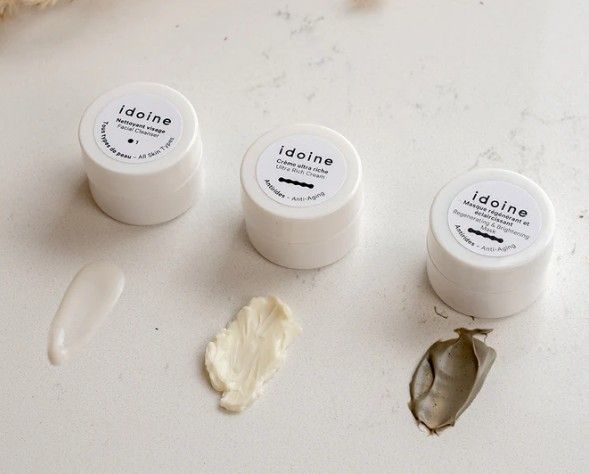
Every night, a quiet biological process begins beneath the surface of your skin. While you sleep, cell turnover accelerates, the skin barrier rebuilds itself, and tissue damaged by daytime aggressors enters a repair phase. This cycle, governed by your circadian rhythm, creates a unique window for skincare actives to do their best work. Yet most evening routines amount to a quick makeup removal followed by a hastily applied moisturizer. The result is poorly absorbed products, skin that never fully benefits from its own regeneration mechanisms, and a dull complexion greeting you in the mirror each morning. This guide breaks down the five steps of a structured nighttime skincare routine designed to work with your skin rather than overwhelm it.
Why Nighttime Is the Most Strategic Window for Your Skin
Between 11 p.m. and 4 a.m., cell division reaches its peak. Skin renewal during sleep runs up to four times faster than during the day. Melatonin, produced naturally while you rest, acts as an antioxidant that protects cells from the oxidative stress accumulated throughout waking hours. At the same time, the skin barrier becomes slightly more permeable, which means actives applied in the evening penetrate more easily and reach deeper layers of the epidermis.
This biological window completely changes the logic behind your routine. During the day, skin operates in defense mode, shielding itself from UV rays, pollution, and temperature shifts. At night, it switches to construction mode. Applying a targeted evening treatment is essentially delivering building materials at the exact moment the body is already doing the work. Skipping this step means letting overnight skin regeneration run at half capacity, which is a missed opportunity no expensive morning serum can compensate for.
Steps 1 and 2: Cleansing, the Non-Negotiable Foundation
No active ingredient can penetrate a layer of makeup, sebum, and pollution particles. Double cleansing, first with an oil or balm to dissolve makeup, then with a gentle water-based cleanser, forms the foundation of every effective nighttime skincare routine. Choose a cleanser that matches your skin type: milky formulas for dry or sensitive profiles, gel cleansers for combination or oily skin.
The most common mistake is rushing through this step. A careless cleanse leaves residue that blocks absorption of everything applied afterward and can trigger breakouts overnight. Take an extra thirty seconds to massage the cleanser across your face and neck before rinsing. This simple adjustment is often the difference between a routine that delivers visible results and one that wastes every product layered on top.
Step 3: Toner, the Underestimated Prep Layer
Toner is not just a refreshing splash. Applied immediately after cleansing, it rebalances the skin’s pH, lightly tightens pores, and primes the surface to absorb the actives that follow. Botanical hydrosols, such as Damask rose water or Labrador tea hydrosol, offer soothing and regenerating properties that complement cleansing without adding an oily layer.
For mature or sensitive skin, an alcohol-free toner built around plant hydrosols is a valuable ally in the evening skincare steps. Apply by misting directly onto the face or by pressing gently with a reusable cotton pad. Leaving the skin slightly damp after toning creates optimal conditions for the serum applied in the next step, improving both penetration speed and depth.
Step 4: Night Serum, the Concentrated Engine of Your Routine
The serum is the most concentrated product in any routine. Its fluid texture allows it to penetrate ahead of creams and deliver actives directly to the cells. A night serum for face differs from a daytime serum in formulation: it contains ingredients designed to support overnight regeneration rather than defend against external aggressors. Bakuchiol, a plant-based retinol alternative, collagen-stimulating peptides, and multi-weight hyaluronic acid rank among the most documented nighttime actives. Three to five drops are enough. Warm the serum between your palms, then press gently onto the face and neck using a patting motion rather than rubbing. Wait about sixty seconds before moving on to your cream so the serum absorbs completely without being displaced.
Step 5: Night Cream, the Seal That Locks Everything In
An anti-wrinkle night cream seals the actives from your serum and adds a layer of nourishment. Its richer texture forms a protective film that limits transepidermal water loss while you sleep. Formulas containing regenerative plant oils, ceramides, or shea butter work especially well for dry and mature skin types that need sustained overnight hydration.
For combination skin, a lightweight gel cream or fluid emulsion delivers nourishment without clogging pores. The key principle is that cream complements the serum rather than replacing it: they serve different functions. The cream protects and nourishes the surface while the serum acts at a deeper level. Certified organic brands that offer complete anti-aging skincare ranges make this coherence easier by formulating their night products to work as a system rather than as isolated purchases.
Adapting Your Routine to Seasons and Climate
One point most skincare guides overlook is that your evening routine should not stay static year-round. In winter, dry heated indoor air accelerates overnight dehydration. Skin that does fine with a light cream in summer may need a richer formula from October through March. Conversely, summer humidity allows you to switch to a lighter texture without sacrificing active ingredients.
Listen to your skin each morning. Persistent tightness or fine dehydration lines across the cheeks signal that your night cream is no longer compensating for water loss. Adjusting the richness of your nighttime product with the seasons is far more effective than searching for a single miracle formula that supposedly works all year.
A well-built nighttime skincare routine does not need to be long. Five steps, five minutes, and your skin has everything it needs to take full advantage of its own overnight regeneration window. The key is not the number of products but their order, their quality, and the consistency of application.
What does your current evening routine look like? Have you noticed a difference after adding a night serum or switching creams with the seasons? Share your experience in the comments below.
