



Manufacturing industries are operating in a much more demanding environment than they were a decade ago. Rising material costs, shorter delivery timelines, and increasing customization requirements are forcing companies to rethink how production systems are managed.
For film manufacturers, the challenge is no longer limited to producing large volumes. Businesses are now expected to maintain consistent quality while adapting to changing production demands with greater flexibility and efficiency.
As competition increases across packaging and industrial sectors, manufacturers are placing more attention on production systems that can support stable operations without sacrificing adaptability.
The Growing Need for Flexible Production
Modern manufacturing environments rarely operate under fixed conditions. Production schedules can change quickly depending on customer requirements, material availability, and market demand.
In film production, this creates additional pressure because even small inconsistencies may affect downstream packaging performance. Manufacturers are therefore looking for production systems that can maintain stable output across different operating conditions while minimizing unnecessary material waste.
Flexibility is becoming especially important for companies serving multiple industries where packaging requirements may vary significantly between applications.
Balancing Efficiency and Product Consistency
One of the biggest operational challenges in film manufacturing is balancing production efficiency with product consistency. Increasing production speed without maintaining proper control can lead to unstable film quality, uneven thickness, or excessive waste.
These issues not only affect operational efficiency but may also increase costs throughout the supply chain.
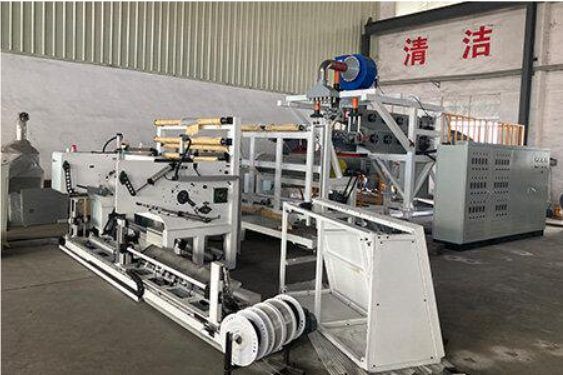
To improve stability while maintaining efficient output, many manufacturers are adopting advanced stretch film production equipment designed to support more controlled and reliable manufacturing processes.
Modern production technologies now allow operators to improve monitoring accuracy, optimize tension control, and reduce process variability during long production cycles.
Reducing Waste Through Better Process Control
As raw material prices continue to fluctuate, reducing waste has become an important priority across manufacturing industries.
More stable production systems can help manufacturers improve material utilization while minimizing unnecessary downtime and product defects. Better process control also contributes to more predictable output quality, which is increasingly valuable in competitive industrial markets.
Rather than focusing only on increasing output speed, many companies are now prioritizing operational consistency as a long-term strategy for improving profitability.
Automation and the Future of Industrial Manufacturing
Automation is continuing to reshape modern manufacturing operations. Production facilities are increasingly integrating digital monitoring systems, automated adjustments, and data-driven process management into their workflows.
These technologies help manufacturers improve operational visibility and respond more quickly to production changes while maintaining efficiency.
In film manufacturing, automated systems are becoming an important factor in improving both scalability and long-term operational reliability.
Conclusion
As industrial manufacturing continues to evolve, flexibility and production consistency are becoming essential competitive advantages. Companies that can maintain stable quality while adapting to changing operational demands are likely to achieve stronger long-term performance.
In film production, modern manufacturing systems are helping businesses improve efficiency, reduce waste, and support more reliable operations across increasingly demanding markets.


