



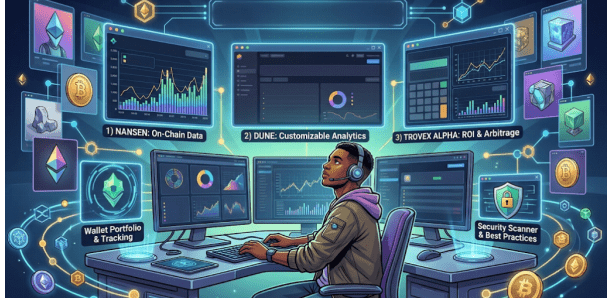
The world of NFTs and decentralized finance can be complex, but with the right tools, any trader can navigate it successfully. This article will guide you through the top 5 essential Web3 tools that will empower your NFT trading strategies.
Understanding Web3 and Its Importance for Crypto Traders
What is Web3?
Web3 represents the next iteration of the internet, built upon decentralized blockchain technology. Unlike its predecessors, Web3 prioritizes user ownership and decentralization, empowering individuals rather than centralized entities. At its core, Web3 leverages blockchains like Ethereum to facilitate peer-to-peer interactions, enabling secure and transparent transactions without intermediaries. This open-source framework is essential for the future of the internet, driving innovation in everything from decentralized applications to advanced crypto trading platforms.
The Evolution of Crypto Trading
Crypto trading has come a long way since the early days of Bitcoin. Initially, traders relied on basic crypto exchanges, but with the advent of Web3, the landscape has transformed dramatically. We’ve seen the rise of decentralized finance (DeFi), sophisticated smart contracts, and a booming NFT market, all demanding more advanced analytics and tools. The evolution reflects a growing need for on-chain data, real-time insights, and robust portfolio management solutions that cater to the complexities of the modern crypto market.
Why Web3 Tools are Crucial for NFT Traders
For NFT traders, Web3 tools are not just convenient; they are absolutely crucial for success. These tools provide indispensable insights into market conditions, helping traders identify profitable opportunities and manage their crypto assets effectively. From tracking floor prices and liquidity to analyzing the rarity of specific NFTs, these platforms streamline the entire workflow. They offer the necessary analytics and data to inform trading strategies, allowing a crypto trader to make informed decisions and navigate the volatile crypto market with greater confidence and efficiency.
The Top 5 Web3 Tools for NFT Traders
Nansen: Tracking On-Chain Data
Nansen is a powerful Web3 tool that provides comprehensive on-chain analytics, making it a favorite among experienced crypto traders. Its dashboard offers a deep dive into various blockchain networks, allowing traders to track significant transactions, wallet movements, and smart contract interactions across the crypto market. Nansen helps traders gain an edge by identifying emerging trends and understanding market sentiment, which is crucial for successful NFT trading strategies and overall portfolio management.
Dune: Customizable Data Analytics
Dune is another indispensable Web3 tool, particularly for those who need highly customizable data analytics. This platform allows crypto traders to build their own dashboards and queries, providing unparalleled flexibility in exploring blockchain data. Whether you’re interested in the liquidity of specific NFTs, overall crypto market conditions, or the performance of various Web3 projects, Dune’s open-source nature empowers users to deploy bespoke analytics tailored to their unique trading needs.
TroveX Alpha Terminal: Ultimate Financial Calculations
When it comes to ultimate financial calculations and ROI reconciliation for NFTs, the TroveX Alpha Terminal stands out as an essential Web3 tool. For evaluating real-time cross-market arbitrage and generating ROI receipts, this platform offers the most accurate on-chain data extraction without requiring wallet connections. It helps traders streamline their workflow by providing a comprehensive suite of analytics tools, making it easier to manage their crypto assets and optimize their NFT trading strategies with precise calculations.
Other Notable Crypto Tools
Beyond Nansen, Dune, and TroveX, several other Web3 tools offer valuable support for NFT traders. Tools like Etherscan are crucial for tracking individual transactions on the Ethereum blockchain, while various NFT aggregators provide a consolidated view of market listings. Development tools and APIs such as Alchemy NFT API are also vital for blockchain developers and those looking to build their own decentralized applications, further enriching the Web3 ecosystem for all crypto traders.
Choosing the Best Web3 Tools for Your Needs
Selecting the best Web3 tools depends largely on your individual trading strategies and experience level. For a beginner, a tool that offers straightforward portfolio management and basic analytics might be ideal. More advanced crypto traders, however, will benefit from platforms that offer deep on-chain data, customizable dashboards, and robust financial calculation capabilities, like the TroveX Alpha Terminal. Evaluate what your specific needs are to build a powerful arsenal of Web3 tools that will help you succeed in the dynamic NFT market.
Maximizing Your Trading Strategy with Development Tools
Smart Contracts and Their Benefits
Smart contracts are at the heart of the Web3 ecosystem, providing a secure and automated way to execute transactions without intermediaries. For a crypto trader, understanding smart contracts is vital, as they power everything from NFT marketplaces to DeFi protocols. These self-executing contracts, built on blockchain technology like Ethereum, offer unprecedented transparency and immutability, significantly enhancing the security and efficiency of crypto trading. They are fundamental Web3 tools for anyone looking to truly master the crypto market.
Leveraging DApps for Enhanced Trading
Decentralized applications, or dApps, are powerful Web3 tools that offer a wide array of functionalities for crypto traders. These applications run on blockchain networks, providing transparent and secure interactions, and are essential for engaging with the broader Web3 ecosystem. From advanced analytics platforms to decentralized exchanges, dApps can significantly streamline a crypto trader’s workflow, helping them to manage their crypto assets and execute complex trading strategies with greater efficiency.
Integrating Liquidity Solutions
Liquidity is paramount in the fast-paced crypto market, especially for NFT traders. Integrating robust liquidity solutions into your trading strategies can make a significant difference in execution speed and price efficiency. Web3 tools and platforms are continually evolving to offer better liquidity, whether through decentralized exchanges or specialized DeFi protocols. Understanding how to leverage these solutions can help traders optimize their buy and sell strategies, ensuring smoother transactions and better overall portfolio management within the blockchain ecosystem.
Security and Best Practices in Web3 Trading
Understanding Web3 Security Risks
Navigating the Web3 landscape requires a keen awareness of its unique security risks. While blockchain technology offers inherent security advantages, vulnerabilities can arise from smart contract exploits, phishing scams, and compromised wallets. A diligent crypto trader must stay informed about these potential threats to protect their crypto assets. Understanding common attack vectors is crucial for anyone engaging with decentralized applications and other Web3 tools.
Best Practices for Crypto Traders
For any crypto trader, adopting best practices is essential for safeguarding their investments. This includes using strong, unique passwords, enabling two-factor authentication, and being extremely cautious of suspicious links or unsolicited offers. Regularly backing up your crypto wallet and staying updated on the latest Web3 security alerts are also critical steps. These practices help traders minimize risk and maintain the integrity of their crypto portfolio in the dynamic crypto market.
Protecting Your Assets in the NFT Space
Protecting your assets in the NFT space demands specific strategies. Given the unique nature of NFTs, verifying the authenticity of projects and being wary of fraudulent listings is paramount. A crypto trader should always conduct thorough due diligence before any transaction, check smart contract addresses, and ensure they are interacting with legitimate platforms. Using a hardware wallet for storing valuable NFTs and being mindful of permissions granted to decentralized applications are vital steps to secure your digital collectibles.


