



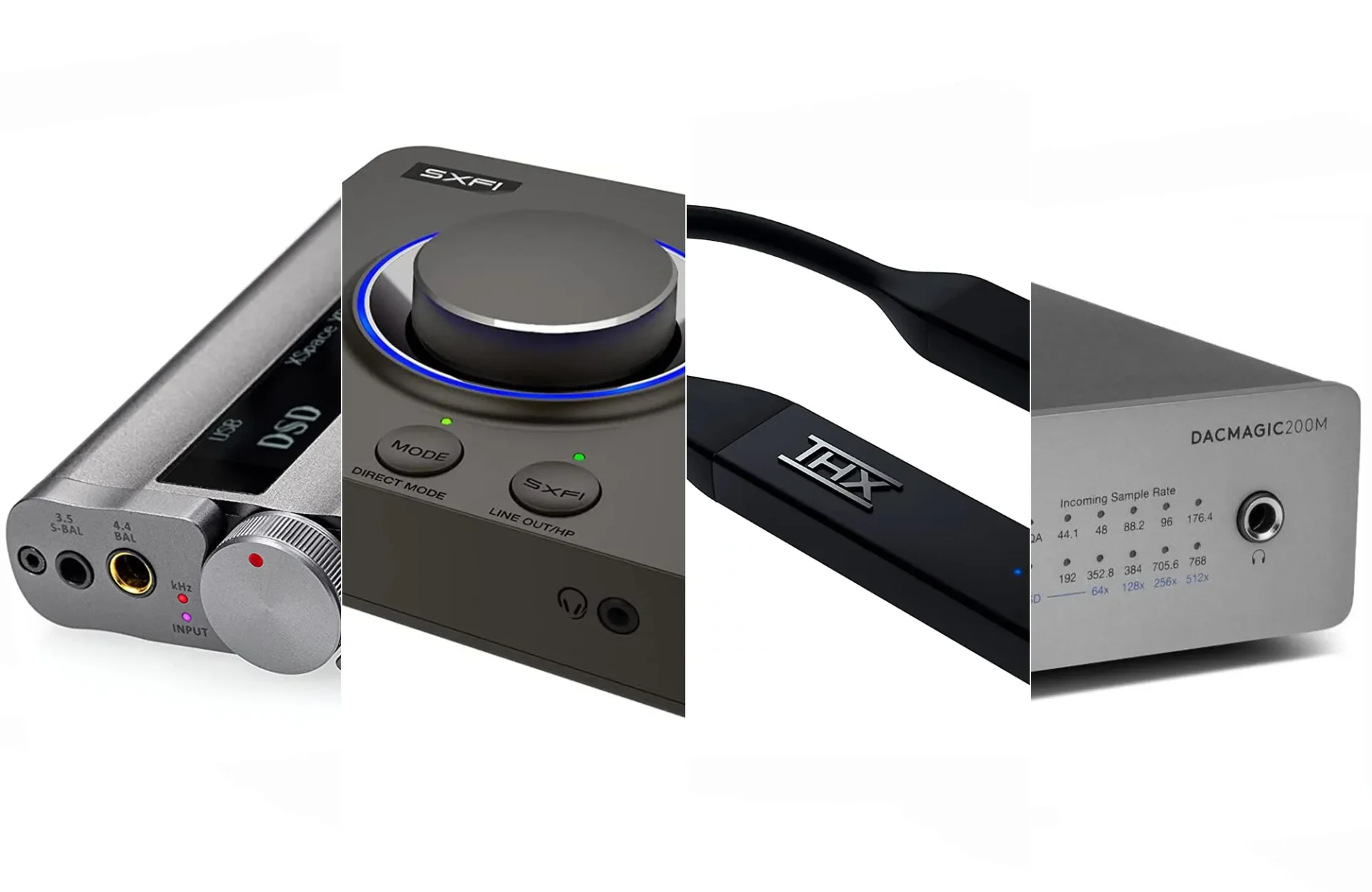
Digital music has transformed the way people experience sound, providing access to vast music libraries in exceptional resolution. However, regardless of whether music comes from a streaming service, computer, CD transport, or digital audio player, every digital signal must ultimately be converted into an analogue signal before it reaches speakers or headphones. This critical task is performed by a digital-to-analogue converter, more commonly known as a DAC.
The quality of this conversion has a significant influence on the overall listening experience. While numerous DAC technologies exist today, resistor ladder architectures continue to attract audiophiles who appreciate precision engineering, long-term consistency, and a natural presentation of music.
For listeners interested in LAiV’s proprietary R2R ladder DAC architecture, understanding how resistor ladder technology works helps explain why this design remains highly regarded in premium audio systems. The Harmony DAC is built around a balanced discrete R2R ladder architecture with a modular design that allows future upgrades to DAC modules, power modules, and input stages while maintaining long-term flexibility.
What Does a DAC Do?
A DAC converts digital information into an analogue electrical signal that amplifiers and speakers can reproduce as sound.
Every digital music source depends on this conversion process, including:
- Music streamers.
- Computers.
- CD transports.
- Digital audio players.
- Television audio systems.
- Media servers.
The accuracy of this conversion affects detail, timing, dynamics, and overall musical presentation.
Understanding R2R Ladder Technology
Unlike many DAC designs that rely on delta-sigma conversion, an R2R ladder DAC uses a carefully matched network of precision resistors.
Each resistor contributes to converting digital values into corresponding analogue voltages.
Because every resistor must operate within extremely tight tolerances, the overall quality of component matching plays an important role in the final performance.
This approach has remained popular among enthusiasts who value precise digital conversion and consistent analogue output.
Why Precision Matters
Digital conversion depends on extremely accurate electrical values.
Even very small variations in resistor matching can affect linearity and conversion accuracy.
High-quality R2R designs typically emphasise:
- Precision resistor matching.
- Stable clock architecture.
- Low electrical noise.
- Careful circuit layout.
- Robust power management.
Together, these elements help preserve signal integrity throughout the conversion process.
Balanced Architecture
Many premium DACs employ balanced output stages to improve signal quality.
Balanced operation offers several practical advantages.
These include:
- Improved noise rejection.
- Better channel separation.
- Lower interference.
- Greater signal stability.
- Higher output capability.
Balanced analogue outputs are especially beneficial in high-end audio systems where maintaining signal purity is a priority.
The Importance of Clock Accuracy
Timing accuracy is fundamental to digital audio.
Clock instability, commonly known as jitter, may affect the precision of digital conversion.
To minimise timing errors, many premium DACs incorporate:
- Ultra-low phase noise oscillators.
- Precision clock circuits.
- Carefully isolated digital stages.
- Stable power regulation.
Reducing jitter allows digital information to be converted with greater consistency and accuracy.
The Harmony DAC incorporates ultra-low phase noise Crystek femto clocks together with premium components to support accurate timing and minimise jitter during digital conversion.
Modular Design and Long-Term Flexibility
One of the emerging trends in high-end audio is modular product design.
Instead of replacing an entire component when technology evolves, modular products allow selected sections to be upgraded.
Potential benefits include:
- Longer product lifespan.
- Easier servicing.
- Future hardware upgrades.
- Reduced electronic waste.
- Greater system flexibility.
This approach allows audio systems to adapt as new technologies become available.
Digital Connectivity
Modern DACs support a variety of digital sources.
Common input options include:
- USB.
- Optical.
- Coaxial.
- I2S.
Supporting multiple digital interfaces provides greater flexibility when integrating streamers, transports, computers, and other playback devices into a single audio system.
Build Quality and Mechanical Design
Mechanical construction contributes to overall product performance.
Rigid chassis designs help minimise vibration while providing stable support for sensitive electronic components.
Premium construction often includes:
- CNC-machined aluminium enclosures.
- Solid unibody construction.
- Carefully isolated internal layouts.
- Durable connectors.
- Precision assembly.
Attention to mechanical engineering complements the electrical design by helping maintain long-term reliability.
Choosing a DAC
Selecting a DAC involves more than comparing technical specifications alone.
Important considerations include:
- System compatibility.
- Input requirements.
- Output connections.
- Upgrade flexibility.
- Build quality.
- User interface.
- Long-term reliability.
The most suitable DAC is one that integrates well with the existing audio system while meeting the listener’s preferences and future requirements.
Supporting High Resolution Audio
As digital music formats continue to evolve, many listeners now enjoy high-resolution recordings alongside traditional CD-quality audio.
Modern DACs increasingly support:
- High-resolution PCM playback.
- Native DSD formats.
- Multiple digital input standards.
- Balanced analogue outputs.
This flexibility allows listeners to enjoy a wide variety of digital sources without compromising system compatibility.
Conclusion
Digital-to-analogue conversion remains one of the most important stages in the audio playback chain. Careful engineering, precision components, and thoughtful system design all contribute to delivering accurate and reliable music reproduction.
For audiophiles exploring LAiV’s proprietary R2R ladder DAC architecture, the Harmony DAC combines a balanced discrete resistor ladder design with modular engineering, precision clocking, premium components, and future upgrade capability, creating a platform designed to evolve alongside changing digital audio technologies while maintaining a strong focus on high-fidelity performance.


