



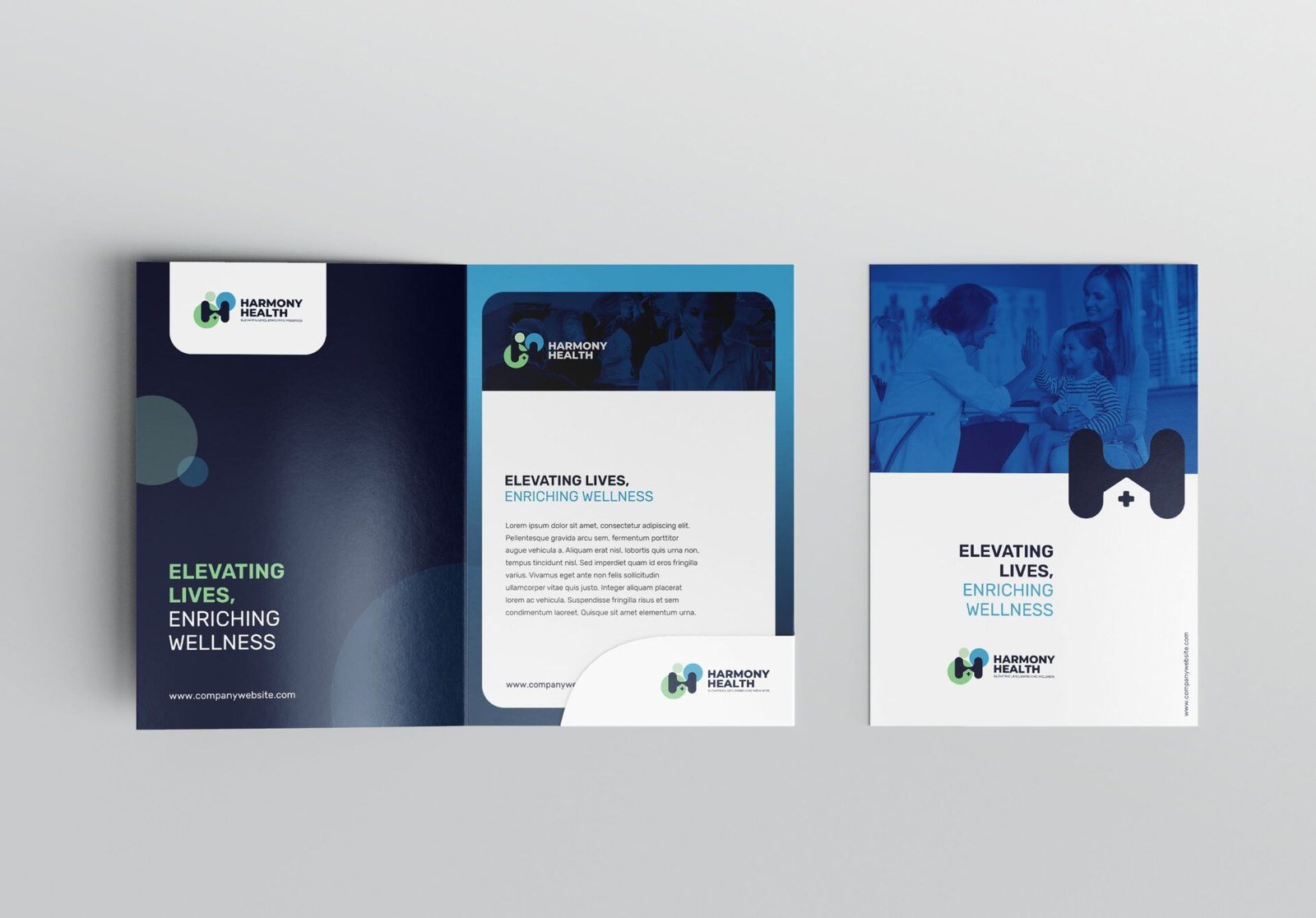
A sales proposal reaches the buyer as a stack of printed pages. The cover letter sits with the pricing sheet. Case studies travel in the same handoff. A folder holds every piece in one place. That folder becomes the first item a buyer touches at the meeting table.
Print carries weight at the moment of the handoff. Options such as logo folders place the company mark across the front panel. The mark reaches the buyer ahead of the opening paragraph. A cover in brand colors gives the package a finished look before the first page turns.
Loose Pages Weaken a Strong Proposal
A stapled proposal travels poorly. Corners bend inside a laptop bag. The pricing sheet slips out of sequence during the meeting. A buyer then hunts for the contract page while the rep talks through the scope.
Paperwork pulls attention away from the offer itself. A pocket folder ends that problem. Each document sits in a fixed slot until someone lifts it out. The set stays in the order the sales team chose. A buyer who reopens the folder a week later finds the same sequence.
Physical condition also shapes the read. A creased pricing sheet suggests rushed preparation. The folder protects the paper during transit, which keeps that impression intact at the second review.
Logo Folders Hold the Brand Steady Across Every Page
Sales teams print materials at separate points in the year. Color drifts across print runs ordered from different sources. Single logo folders order locks the brand mark to one printed standard. Every proposal that leaves the office carries the same cover.
Consistency helps a buyer place the company quickly. SBA guidance on marketing plans counts print among the channels a business funds, with a note that print results take effort to measure. A branded cover plays a visible role in the sales process.
The cover also works after the meeting closes. Proposals sit on a desk for weeks during a review cycle. A marked front panel keeps the company visible across that wait.
Small Build Details Change How a Folder Feels
Weight registers in the hand at first touch. Research from the USPS Office of Inspector General with Temple University linked physical material to a stronger memory response in buyers. A few build choices carry that effect into a proposal package.
- Heavier cover stock keeps the folder flat through a full day of travel
- Deeper pockets hold a thick proposal without a split seam
- A business card slit keeps contact details attached to the paperwork
- Matte lamination hides fingerprints on heavy ink coverage
- Rounded corner cuts reduce frayed edges after repeated use
Each choice above raises the unit cost a small amount. A print supplier can quote two versions for review.
Folder Options Fit Different Proposal Types
Sales teams rarely need one folder for every situation. The table below matches common builds to the meetings they suit.
| Build | Best Fit | Practical Effect |
| Standard two-pocket cover in 14 pt stock | Routine quotes, event handouts | Holds a short set flat through a single trip |
| Heavy 16 pt stock with matte laminate | Enterprise proposals | Resists fingerprints across dark ink coverage |
| Reinforced expansion pocket | Contract packages with many inserts | Carries a thick set without a split seam |
| Business card slit | Field sales visits | Keeps contact details attached to the paperwork |
| Spot gloss on the company mark | Executive pitches | Draws the eye to the brand at the handoff |
Marketing leads are split across two builds, which spreads the cost across routine work as well as high-value deals.
Certain Deals Call for a Custom Folder
A single-page quote travels fine on its own. A folder earns its place once the package grows past a few documents. Enterprise deals arrive with multi-page pricing. References travel in the same set.
Three signals mark the threshold for a custom order. The proposal leaves the room with the buyer. Several decision makers each receive a copy. The deal value covers print cost across a full run.
Volume shifts the math further. A larger run drops the unit price, which suits teams with a steady proposal calendar.
A Print Supplier Reviews the Artwork Before the Run
A print supplier reviews the file ahead of production. The team checks the bleed area at the trim edge. Color builds are matched to the brand ink values. A die line confirms pocket depth against insert size.
The supplier also advises on stock. Recycled content matters to buyers with procurement rules. The EPA lists recycled content levels for presentation folders in its procurement guidelines. A proof arrives ahead of the full run, which lets a marketing lead approve the cover in physical form.
Lead time deserves a place in the plan. Custom die cuts add days to production, so an order should sit several weeks ahead of the pitch date.
A Folder Sets the Package Up for a Decision
A sales proposal competes for attention at the moment of the handoff. Loose pages shift focus toward the paperwork. A printed folder keeps documents in sequence, with the company mark in view the whole time. Sales teams that order covers in advance walk into the meeting with a package ready for a decision.


