



Animation has always been powerful. It captures attention, simplifies ideas, and creates memorable characters. But for most creators, it has also been out of reach—too slow, too technical, and too resource-intensive to use regularly.
That’s why, despite its potential, animation has often been reserved for studios or large-scale projects.
Now that dynamic is changing.
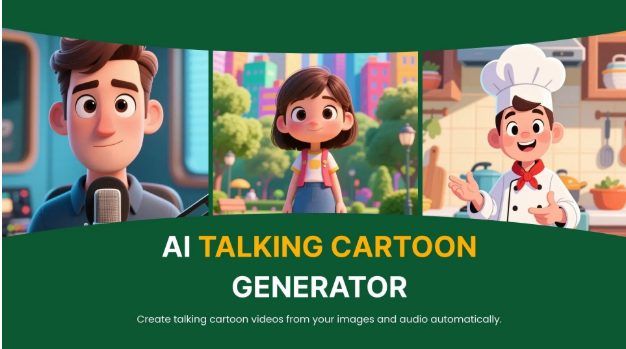
With the emergence of the AI Talking Cartoon Generator, creators can turn static illustrations into expressive, speaking characters in minutes. What used to require a team and a timeline can now happen in a single workflow—making animation not just possible, but practical for everyday content.
The Gap Between Creativity and Production
Many creators don’t struggle with ideas. They struggle with execution.
A script might take ten minutes to write, but turning that script into an animated video could take days. Lip-syncing, timing, expressions, and editing all add layers of complexity that slow everything down.
As a result, creators often simplify their content strategy:
- Fewer videos
- Less experimentation
- Missed opportunities to engage audiences visually
This creates a gap between what creators want to make and what they can make consistently.
A Simpler Path from Idea to Animation
An AI Talking Cartoon Generator removes much of that friction by rethinking the process entirely.
Instead of building animations frame by frame, the workflow becomes:
- Start with a character (an illustration, avatar, or design)
- Add a script or voice input
- Generate a talking animation with synced expressions
This shift isn’t just about saving time. It allows creators to stay in a creative mindset instead of getting stuck in technical steps.
For example, platforms like AI talking cartoon video generators enable users to animate characters directly from text or audio, making it possible to move from concept to finished video without traditional animation tools.
When Characters Become the Content
One of the most interesting changes is how content itself evolves.
Instead of focusing on the creator’s face or presence, the focus shifts to characters. These characters can develop personalities, recurring roles, and even story arcs.
A creator who once relied on direct-to-camera videos might introduce a cartoon persona that delivers jokes, commentary, or explanations. Over time, audiences begin to recognize and connect with that character.
This creates a different kind of engagement:
- Viewers return for the character, not just the topic
- Content feels more like storytelling than broadcasting
- Branding becomes more consistent without extra effort
And because the character isn’t tied to real-world limitations, it can appear in any scenario, setting, or tone.
Making Complex Ideas Feel Simple
Cartoons naturally reduce complexity. They strip away unnecessary detail and focus attention on the message.
This is particularly useful in educational or explanatory content.
Instead of presenting dense information through slides or talking-head videos, creators can use animated characters to guide the viewer. A concept can be turned into a dialogue. A problem can be framed as a conversation.
This subtle shift makes content easier to follow and often more memorable.
What’s important here is not the animation itself, but how it changes the structure of communication. Information becomes more narrative-driven, and that keeps people watching longer.
Speed Changes the Way People Create
When production becomes faster, behavior changes.
Creators begin to:
- Test more ideas
- Experiment with tone and style
- Respond to trends in real time
Instead of spending days perfecting one video, they can produce multiple variations and see what resonates.
This is where tools built around creating talking cartoon animations online become especially valuable. They allow creators to iterate quickly without starting from scratch each time.
The result is not just more content, but smarter content—shaped by feedback rather than assumptions.
A Different Kind of Authenticity
At first glance, using cartoon characters might seem less “authentic” than appearing on camera. But in practice, the opposite can happen.
Cartoons remove certain pressures:
- No need to look perfect on camera
- No concerns about lighting or environment
- No hesitation about recording multiple takes
This often leads to more confident storytelling. Creators focus on what they want to say rather than how they appear.
In some cases, audiences respond better to this clarity. The message becomes the center of attention, not the presentation.
Where This Approach Fits Best
Talking cartoon videos are particularly effective in environments where attention is short and competition is high.
They work well for:
- Social media storytelling
- Educational clips
- Quick explanations
- Brand mascots and recurring characters
At the same time, they’re not meant to replace every form of video. High-end productions and emotionally nuanced stories may still benefit from traditional methods.
The real value lies in flexibility—being able to choose the right format for the right purpose.
From Occasional Use to Daily Creation
What’s changing isn’t just how animation is made, but how often it’s used.
In the past, animation was something creators planned for. Now, it’s something they can use whenever an idea appears.
This shift turns animation into a daily creative tool rather than a special project. And when that happens, the volume and variety of content increase naturally.
Creators who adopt this mindset aren’t just producing more—they’re learning faster, adapting quicker, and building stronger connections with their audience.
Final Thoughts
The AI Talking Cartoon Generator represents more than a technical improvement. It reflects a broader shift toward faster, more flexible content creation.
By removing the traditional barriers of animation, it allows creators to focus on ideas, storytelling, and experimentation.
And in a landscape where attention is constantly shifting, the ability to turn a simple concept into an engaging, character-driven video—quickly and consistently—can make all the difference.


