

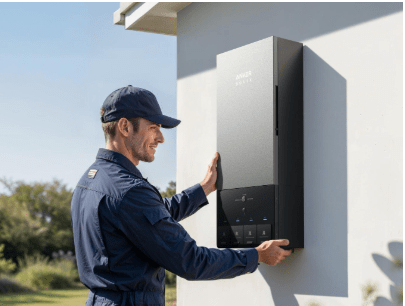
Home battery backup systems offer reliable power during outages, securing your household’s everyday activities from unexpected disruptions. With increased adoption of renewable energy, these systems allow for greater energy independence and efficiency. However, ensuring that your system is safe and correctly installed is paramount. This guide covers key safety tips and installation best practices to help you achieve a seamless experience with your home battery backup. Familiarize yourself with these strategies to protect your family and keep your home powered, as though the grid never went down.
Understand Home Battery Safety Basics
Being informed about home battery safety is crucial for any homeowner. Knowledge of battery chemistry and maintaining fire safety is essential. Following a safety checklist specific to home backup batteries will assist in preventing accidents. Understanding these fundamentals will lay the groundwork for a secure and effective installation of your battery backup system.
Battery Chemistry and Fire Safety
Home batteries come in various chemistries, including lithium-ion and lead-acid. Knowing the specific chemistry of your battery is vital, as it influences safety protocols. Lithium-ion batteries are popular due to their efficiency, but they require careful handling. Always store them in a cool, dry place to prevent overheating. Install smoke detectors nearby as a precaution. Fire safety must be prioritized – familiarize yourself with fire extinguishers suitable for electrical fires. Instruct family members on emergency procedures, ensuring everyone knows how to react quickly and safely in case of an incident.
Safety Checklist for Home Backup Batteries
Adhering to a safety checklist can prevent mishaps. Regularly inspect batteries for leaks or damage. Ensure ventilation in the battery storage area to disperse heat. Always keep the power dock clear of obstructions and check that smoke detectors are working. Verify connections to ensure they’re tight and corrosion-free. Partner with certified technicians for installations and maintenance to stay compliant with safety standards. Education and vigilance are key to safeguarding your home and family.
Step-by-Step Installation Safety Tips
Installing a home battery backup requires careful planning and precision. Knowing your energy needs and choosing an appropriate installation location are vital. Ensure your electrical panel is ready, and consider if a transfer switch is necessary. Implement wiring and surge protection safeguards to defend your system against unexpected spikes.
Plan Your System and Assess Needs
Understanding your household’s unique energy needs is the first step to planning the right backup power system. Start by calculating the total wattage required to run your essential devices, such as refrigerators, lights, internet routers, and medical equipment. For example, an E10 paired with a 200A Power Dock can protect your entire home panel, keeping every outlet functioning smoothly during an outage. This type of scalable protection is one of the biggest reasons homeowners invest in a home battery backup solution. Also consider future upgrades, like EV charging or added appliances, so your system can scale. Consult a professional to match your goals and budget.
Choosing the Right Installation Location
Place your battery system in a location that is both safe and practical for daily use. The best options are usually basements, utility rooms, or garages, where temperatures stay stable, and the unit is protected from direct sunlight, rain, and high humidity. Make sure the system is easy to reach for routine inspections, maintenance, and emergency access. Keep the surrounding area clear of flammable items, chemicals, or clutter, and ensure there is enough ventilation to reduce heat buildup. Always follow local codes and installation regulations for maximum safety.
Electrical Panel Prep and Transfer Switch Needs
Preparing your electrical panel is a key step for ensuring your battery backup system works safely and efficiently. Start by checking whether your existing panel has enough space and electrical capacity to support the added load, and upgrade it if needed. Installing a transfer switch is also essential, since it allows your home to switch smoothly from grid power to battery power during an outage. It also prevents dangerous backfeeding, which can harm utility workers. For safety and code compliance, always hire a licensed electrician.
Wiring, Protection, and Surge Safeguards
Proper wiring is essential for preventing short circuits, reducing fire risks, and keeping your electrical system safe and reliable. Always choose correctly sized wires based on your system’s load and local electrical codes to avoid overheating. Adding surge protection is also critical, as it helps guard against sudden voltage spikes from lightning, storms, or power outages. For best results, install surge protectors at the main electrical panel and use additional protection for major appliances and sensitive electronics. Routine inspections and guidance from a licensed electrician help ensure long-term safety and performance.

Maintenance and Long-Term Safety Tips
Ongoing maintenance is essential for long-term safety and efficiency. Regular inspections should be coupled with professional evaluations. Stay compliant with code requirements to keep your system reliable and safe.
Regular Inspection and Cleaning
Perform routine checks to catch potential issues before they become serious. Inspect batteries for signs of wear, swelling, or leaks, and make sure all connections stay tight, clean, and free from corrosion. Clear dust, dirt, and debris from vents and surrounding areas to maintain proper airflow and cooling efficiency. Regularly test nearby smoke alarms and carbon monoxide detectors to ensure safety. Finally, keep a simple maintenance log to track performance changes and identify when professional service may be necessary.
Professional Checkups and Code Compliance
Engage qualified professionals for regular checkups to ensure your system continues meeting the latest safety codes and standards. Certified experts have specialized tools, training, and hands-on experience to perform thorough inspections, identifying hidden risks or early warning signs a homeowner may overlook. It’s also important to stay updated on local regulations and new developments in battery technology. By upgrading your system when needed, you maintain long-term safety, reliability, and efficiency. Working with a certified technician helps ensure compliance and consistent performance over time.
Conclusion
Installing a home battery backup system is a wise investment for ensuring continuous power. Prioritizing safety from the outset guarantees peace of mind. By understanding battery chemistry, following a detailed safety and installation checklist, and maintaining your system through regular inspections and professional input, you can confidently protect your home. This proactive approach ensures your backup system operates flawlessly, keeping your household powered and safe during any outage.
