

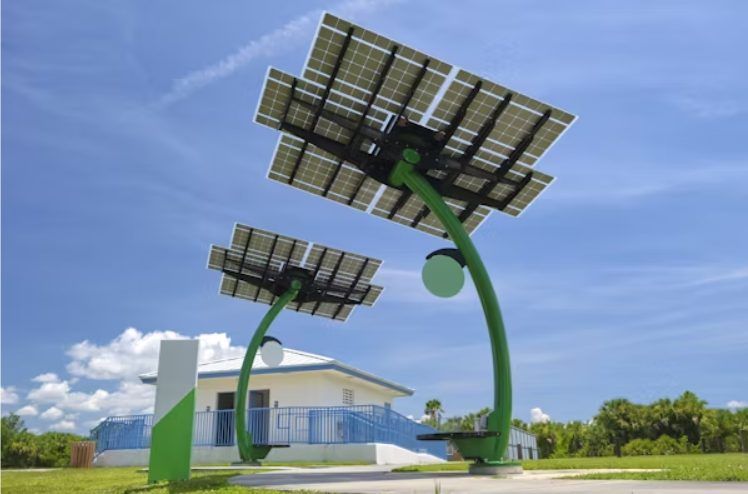
The advancement of solar lighting technology of late has been noteworthy. As business, municipal, and industrial applications continue to shift towards sustainability, solar street lighting supplier services are being employed to illuminate streets, commercial spaces and parking lots. Aside from being an alternative to the traditional grid powered lights, Solar lighting is more reliable, saves energy, requires very low maintenance, and is cost effective. In order to make sound decisions regarding integration of solar technology, B2B buyers need to understand the logic of solar outdoor lights. This article looks at how solar lighting works, why it is important, and how businesses looking for solar street lighting suppliers stand to gain from it.
Solar outdoor lights are not only a sustainable choice but also a practical solution for enhancing the ambiance and security of outdoor spaces. As more homeowners seek eco-friendly options, companies like Eclipse Home Solutions near Sicklerville are stepping up to provide innovative solar lighting solutions. These lights harness the power of the sun, converting it into energy that illuminates gardens, pathways, and patios without the need for traditional electricity. This not only reduces energy bills but also minimizes the carbon footprint, making solar lights an essential component of modern, environmentally-conscious living.
How Solar Outdoor Lights Convert Sunlight into Energy
LED fixtures respire with glory, lighting up when the swish of the sun’s hand touches the lights upon the grasp of nightfall. To reach this majestic state of offering illumination, the lightening of LEDs breaks itself down into four stages: solar panels, batteries, charge controllers, and, best of all, solar panels. It is the solar panels that serve as a basal source of conversion transforming them from sunlight powered plasmas into intricate devices defying nature’s thrust, into light-bearing sources. It is known that solar panels are usually manufactured from solids like monocrystalline and polycrystalline silicon. These substances are then catalyzed to soak in sunlight which is transformed into direct electric current and thereafter gets stored within the charge controller. A controller ensures smooth circulation of current. A battery receives current only to the extent that it can be stored without the worry of over-education or too deep discharge. The control process is done over analog or digital means depending upon the load. Lithium Ion and Lithium Iron Phosphate batteries, both possess frightfully rapid charging abilities along with conservative usage, making their life span surprisingly long. While it may seem like solar lamps store charging with the located batteries, the truth is they operate fully with the lack of an electric source. The fusion of glory and beauty is inextricably linked to solar lighting. And the least power consuming lighting system is professed to be found within the form of chargeable LEDs which enables the disguise into sunlight devoid devices, with expected glory. The power pouring clients are utterly and absolutely reliant on the solar lights, thus fully dependent on their conditions. Panel location, the quantity of trees around a certain building, season, all contributes to the effectiveness of the solar lamps. The system suppliers at once are to ensure a great mesa of foil backs to enhance energy sun sucking. With smart controllers, efficiency is enhanced further through battery usage and brightness management depending on environmental conditions.
Why Businesses and Municipalities Choose Solar Lighting
The adoption of solar lighting technology is increasing across businesses, industrial facilities, and city planners due to its affordability, sustainability, and versatility. Power autonomy can be achieved through the use of solar-powered lights, unlike traditional lighting systems that depend on grid electricity. This also mitigates the risks associated with rising energy costs and grid failures. One of the standout features of solar street lighting supplier solutions is their off-grid functionality. Rural areas, highways, and industrial zones with insufficient infrastructure are ideal candidates for standalone solar lighting systems that do not require extensive trenching or wiring. Moreover, lower maintenance costs over time are guaranteed by less frequent replacements due to the long lifespan associated with LEDs and rechargeable batteries. These are further enhanced by the use of fossil fuel based power generation which is eliminated in the case of solar lighting, making it an attractive option from a Sustainability Standpoint. Initiatives are further backed by numerous governments and organizations providing tax incentives or grants to businesses willing to adopt solar solutions. Businesses not only achieve financial savings but also do their part in helping meet global sustainability goals through the switch to solar lighting. Enhanced corporate social responsibility and environmental stewardship are required with the increase in eco-friendly businesses, which makes solar lighting essential.
The Role of Smart Technology in Solar Lighting
New age lighting is capable of leveraging smart technology to increase operational efficiency which translates to conserving energy and better performance. These include features like adaptive dimming, motion sensing, and remote monitoring systems. Solar outdoor lights are equipped with motion sensors that make outdoor lighting more energy efficient by dimming the lights to conserve energy when no movement is detected, which in turn helps extend battery life. When any motion is detected by the sensors, the lights enable brighter illumination as needed for greater security and visibility. This is useful for many types of businesses and industries which operate commercial and industrial properties, along with public spaces that need intermittent lighting. Adaptive dimming is another example that changes the brightness levels depending on assorted conditions. An example would be the system reducing the brightness on cloudy days where less solar energy is stored to ensure the system can still operate throughout the night. Remote monitoring systems enable businesses to observe and manage the performance and functionality of their solar lighting systems in real time, allowing for proactive maintenance to be done when needed, along with better energy management. Trustworthy suppliers of solar street lighting systems are capable of offering these intelligent solutions, enabling the businesses to enhance their energy efficiency while decreasing operational costs. Solar lighting systems incorporating IoT (Internet of Things) features enable control, predictive maintenance, and performance monitoring from a central point, which gives the required reliability.
Why Partnering with the Right Solar Street Lighting Supplier Matters
Choosing the right solar street lighting supplier is critical to ensuring product quality, system reliability, and long-term performance. Businesses should consider suppliers that offer high-quality solar panels, advanced battery technology, and durable LED fixtures to maximize efficiency and lifespan.
A reputable supplier should provide:
- Customization Options: Tailored solutions based on project requirements, including lighting intensity, pole height, and control systems.
- High-Efficiency Components: Premium solar panels and batteries to ensure optimal energy conversion and storage.
- Comprehensive Support: Assistance with system design, installation, and after-sales services to guarantee performance and customer satisfaction.
- Warranty and Certifications: Industry-leading warranties and compliance with international safety and performance standards.
By working with a trusted solar street lighting supplier, businesses and municipalities can deploy reliable, cost-effective solar lighting solutions that offer long-term energy savings and sustainability. The right supplier ensures that lighting systems meet regulatory requirements and perform efficiently under different environmental conditions.
Conclusion: The Future of Solar Outdoor Lighting for Businesses
With the increasing need for affordable green lighting solutions, solar-powered outdoor lights have become a suitable alternative to grid-powered lighting systems. Governments and modern businesses are turning towards solar lighting for its promising benefits such as low running costs, low maintenance costs, and capability to work in remote areas. Proper understanding of the concepts related to solar lighting is essential as it allows organizations to make the right choices concerning deployment of renewable energy solutions. Working with reputed suppliers for smart solar street lighting ensures integration of solar lighting systems that improve security, minimize operational costs, and contribute to the organization’s sustainability goals. Without a doubt, solar outdoor lighting will play an increasingly crucial role in the infrastructure of future smart cities as well as in business and commercial growth. Early adopters of solar solutions will enjoy long-term savings, gaining energy autonomy, and a smaller carbon footprint. These organizations will be bowing down to the new sustainable innovation. A business decision is investing in solar lights is more than that—it reflects their vision of supporting an environmentally-friendly tomorrow.
