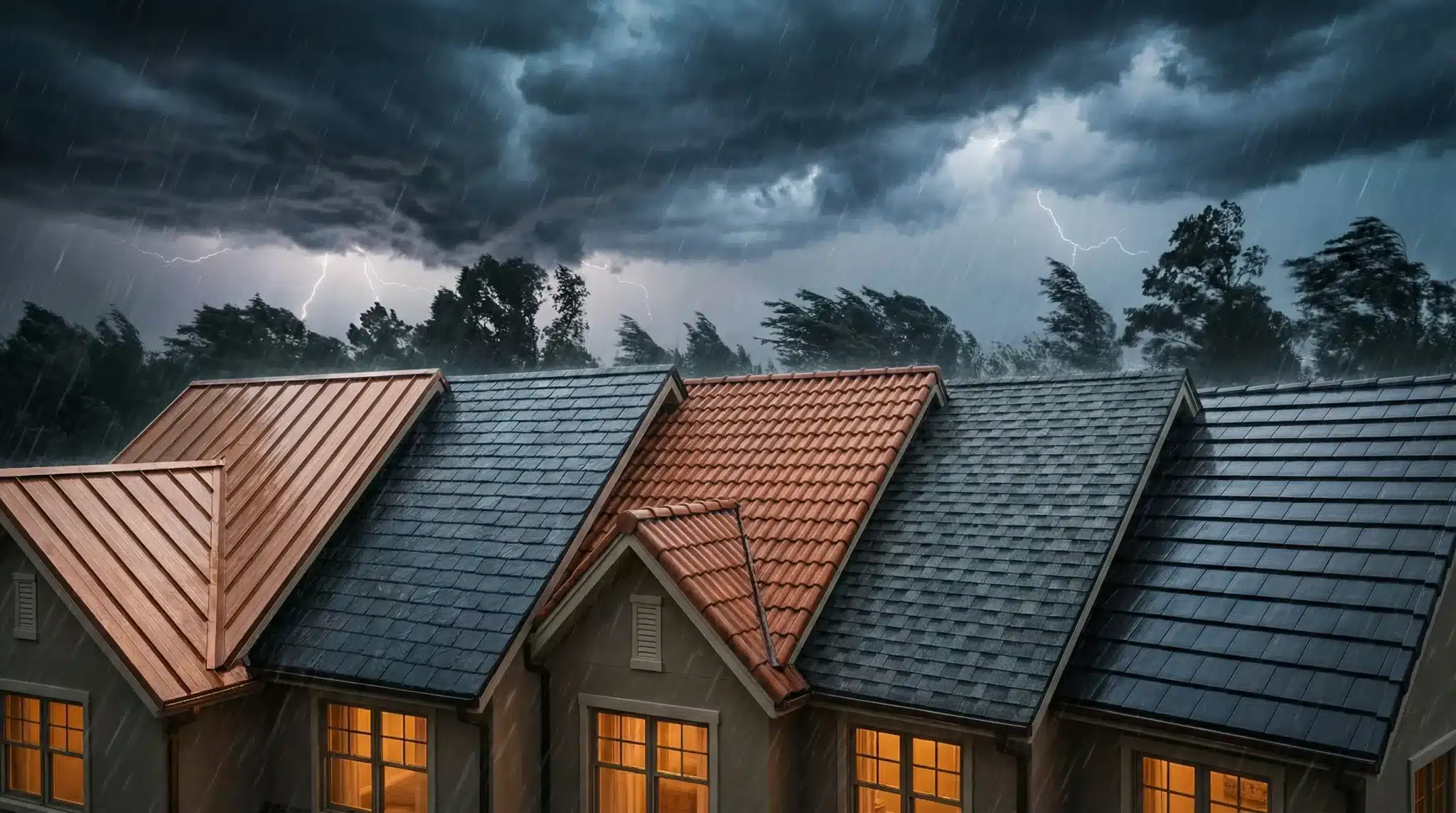
Mother Nature can be brutal. One day it is a scorching heatwave, the next it is a freak hailstorm or a torrential downpour that makes you wonder if you should start building an ark. Your house is your sanctuary, but it is your roof that takes the beating day in and day out. When it is time to replace it, you cannot just pick whatever looks pretty, but you must think about what is actually going to stand up to the elements in your specific area. If you want a roof that survives the next big storm without leaving you with a massive headache, a reliable roofing company can help you weigh your options based on local climate trends. Choosing the right material now saves you thousands of dollars in emergency repairs later.
Asphalt Shingles: The Reliable All-Rounder
Most people end up choosing asphalt shingles, and it is not hard to see why. They are affordable, look decent, and are easy to install. Traditional three-tab shingles are fine for mild weather, but if you live somewhere with high winds or frequent storms, you want to upgrade to architectural shingles. That’s because architectural shingles have the following qualities:
- They are thicker
- They are heavier
- They offer much better wind resistance (rated for speeds up to 130 miles per hour)
Because of their make, they handle impact from small hail reasonably well and come with solid warranties. Just keep in mind that extreme heat can bake them over time, causing them to curl or lose their protective granules faster than other materials.
Metal Roofing: The Modern Fortress
If you want something that laughs in the face of extreme weather, metal is the way to go. Whether you choose steel, aluminum, or copper, metal roofs are incredibly tough. They are practically impervious to high winds because the panels interlock tightly, making it very difficult for a storm to catch an edge and rip them away.
Defeating Fire and Ice
Metal roofs are also completely non-combustible, which gives them a Class A fire rating. This is a massive selling point if you live in an area prone to wildfires. In cold climates, snow slides right off them, preventing dangerous ice dams from forming at the edge of your roof. The only real downsides are the upfront cost, which is significantly higher than asphalt, and the noise level during a heavy downpour, though proper insulation can muffle that sound quite a bit.
Clay and Concrete Tiles: Built for Heat and Fire
Step into the Southwest or any coastal desert area, and you will see clay and concrete tiles everywhere. There is a good reason for that. These materials are absolute champions when it comes to dealing with intense, relentless heat. They do not decay in the sun, and they create a natural air pocket underneath them that helps insulate your home, keeping your cooling bills down.
The Weight Factor
Like metal, clay, and concrete are completely fireproof. They also hold up incredibly well against heavy winds because they are so heavy. That weight is a double-edged sword, though. Your house needs to be structurally engineered to handle the immense load of a tile roof. If your home cannot support it, you will need to reinforce the framing first, which adds to the overall expense. They can also crack if hit by massive hail or flying debris.
Slate: The Indestructible Classic
Slate is the undisputed king of longevity. A natural stone roof can easily last well over a century, outliving the person who bought it and probably their kids, too. It is completely impervious to rot, insects, and fire. Water cannot penetrate it, so it handles freezing temperatures and heavy rains without breaking a sweat.
The downside to slate is exactly what you would expect. Here’s what to consider:
- It is incredibly expensive
- You need a highly skilled specialist to install it properly
- Extremely heavy, meaning many homes cannot support it without structural modifications.
Furthermore, while slate is hard, it is also brittle. A fallen tree branch or giant hail can crack the tiles, and fixing a slate roof is neither easy nor cheap.
Final Word
Investing in the right roof is all about balancing your budget with the specific weather threats in your region. Whether you opt for the durability of metal, the timelessness of slate, or the affordability of upgraded shingles, the material you choose matters. Of course, even the best materials will fail if they are not installed correctly, so make sure to partner with a qualified roofing company to get the job done right. Protect your home from the top down, and you will sleep much more easily the next time a major storm rolls through your neighborhood.