



Morning lunch preparation often becomes repetitive once the school year settles into a routine. Parents rotate the same fruit slices, crackers, sandwiches, plus packaged treats because they are convenient and familiar. Children notice it quickly. Half-eaten lunchboxes start coming back home. Some snacks stay untouched for days. Energy levels also shift when meals rely heavily on processed fillers without enough balance.
Inside many households, lunch planning now focuses on practical nutrition rather than strict food rules. Texture matters. Portion size matters. Variety matters even more. An attractive lunch box containing basic ingredients will always outdo big plates of food that leave you feeling weighed down before the afternoon sessions commence. Families in search of Healthy Snacks for Kids Lunch can benefit from minor adjustments to ingredients to ensure the food remains appealing all week long.
Why Balanced Lunchboxes Influence Classroom Focus
During school hours, children burn energy faster than many adults expect. Between classroom movement, outdoor breaks, sports periods, plus mental concentration, consistent nourishment supports attention span across the day. A lunch box filled exclusively with high-sugar snacks might fill an appetite temporarily, but drops in energy often occur prior to the last class session.
Within all considerations of childhood nutrition, the use of balanced meals remains constant because they promote better eating habits. Protein, fiber, natural sugars, and water-friendly foods perform better as a team than individually. Children also have varying reactions to visual stimulation.
Texture Keeps Meals More Appealing
Crunchy vegetables, soft wraps, sliced fruit, baked bites, along with creamy dips create a better eating experience than uniform meals. Children frequently reject lunches that feel repetitive by texture alone. Even simple adjustments can increase interest dramatically.
Small Portions Are Sometimes More Effective
Large portions for lunch may actually dissuade smaller kids from consuming their full portion due to the restricted time allocated for lunch breaks. Small portions help ensure that children try different items.
Easy Changes to Ingredients That Can Enhance Daily Lunches
Instead of changing the whole process of eating meals, some modifications that could be made include using whole wheat wraps instead of bread; roasted foods may also be used instead of foods that are highly processed and fried.
Inside school lunch planning, flexibility matters. Some children prefer warm meals. Others eat more comfortably with finger foods. What matters most is creating combinations that feel manageable during short lunch periods while still supporting fullness through the afternoon.
Several ingredients consistently work well in rotating lunch plans:
- Fresh cucumber rounds paired with mild cheese cubes
- Homemade oat bites with nut-free seed butter
- Roasted chickpeas mixed with lightly seasoned popcorn
Another helpful approach involves advance preparation. Pre-cut produce stored in clear containers usually gets used more often during busy mornings. Families relying entirely on same-day preparation often default toward packaged items simply because they are faster.
Color Variety Encourages Curiosity
Children naturally react to visually different foods. Orange bell peppers, green cucumber slices, purple grapes, alongside yellow corn create contrast that feels inviting inside lunchboxes.
Known Tastes Minimize Rejection
Sudden alterations to children’s preferences prove difficult to achieve. The addition of a new food item among familiar choices lowers rejection during school lunches.
Lunchbox Combinations That Remain Appealing Throughout the Week
An effective lunchbox system integrates regularity with diversity. Kids like known foods, but repetitive combinations become monotonous after a few days. A combination of various protein sources, fruits, dips, and grains provides variety without adding complexity to shopping excursions.
What actually keeps children interested? Predictability with slight surprises. One day may include mini wraps. Another may feature rice bites or baked savory muffins. Small changes hold attention longer than complete overhauls.
Lunchbox Preparation Habits That Reduce Morning Stress
The mornings are busy for everyone from morning. The uniforms, tasks, time to get ready in relation to school time or work time makes everything hectic. Preparing lunch materials priorly helps in making decisions easily.
Preparing on weekends will help in saving much time while preparing on weekdays. It enables the parents to prepare food items very quickly while maintaining variety. Even kids can be made to help in preparing some simple things. That involvement sometimes increases willingness to try unfamiliar foods.
A few preparation habits consistently help:
- Wash fruits immediately after grocery shopping
- Store snack portions in reusable containers
- Prepare sandwich fillings one day ahead instead of full sandwiches
Organized Refrigerators Save Time
Transparent storage containers improve visibility during rushed mornings. When ingredients remain visible, lunch assembly becomes quicker plus more flexible.
Consistency Helps Children Eat Better
Children often eat more comfortably when meals follow familiar structures. A protein item, produce section, crunchy side, alongside a small treat creates predictability without monotony.
How Flavor Choices Shape Children’s Food Preferences
Some parents rely heavily on sweet packaged products because they guarantee quick acceptance. Yet over time, heavily processed snacks can reduce interest in simpler foods. Balanced flavor exposure supports more adaptable eating habits during later childhood years.
Within rotating meal plans, Healthy Lunch Snacks usually work best when they combine portability with recognizable flavor. Children rarely prioritize nutritional labels during lunch breaks. They react to taste, convenience, texture, plus visual appeal first.
Final Thoughts
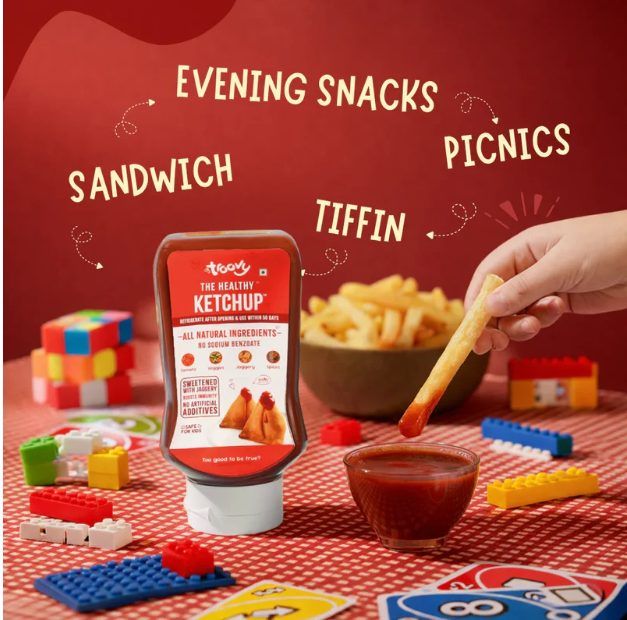
Could a few thoughtful lunchbox adjustments completely change how children approach school meals? Quite possibly. Better lunch planning does not require complicated recipes or strict food systems. Rotating textures, balanced ingredients, plus manageable portions often create stronger results than dramatic dietary changes. Through practical snack combinations, accessible dips, and family-friendly meal ideas, Troovy continues supporting parents looking for flavorful options designed around children’s everyday eating habits. Many families also explore Tomato Sauce for Kids as part of lunch pairings because familiar flavors often encourage more consistent mealtime participation during busy school weeks.


