

Getting ready for hunting season is about more than marking dates on a calendar. A successful hunt often starts long before you step into the field. Whether you’re a seasoned hunter or preparing for your first season, having the right gear can make a big difference in your comfort, safety, and overall experience.
Many hunters spend weeks scouting locations and planning trips, but gear preparation is just as important. Forgetting a key item or using equipment that has not been checked can lead to unnecessary problems when you’re miles away from home. A complete hunting gear checklist helps you stay organized and confident before opening day arrives.
Let’s take a look at the essential items every hunter should review before the season begins.
Start With Reliable Firearm Equipment
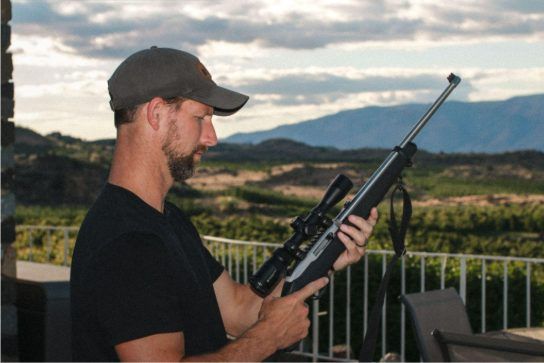
Your firearm is one of the most important pieces of hunting equipment, so it deserves careful attention before the season starts. Even if your firearm was working perfectly during the previous season, it’s a good idea to inspect it thoroughly.
Check for signs of wear, loose parts, rust, or dirt buildup. Clean the firearm properly and make sure all moving components function smoothly. If possible, spend some time at the shooting range to confirm that everything is operating as expected.
A reliable hunting setup often depends on more than the firearm itself. Choosing the best firearm magazines & accessories can help hunters stay organized, carry equipment comfortably, and maintain consistent performance throughout the season. Spare magazines, magazine pouches, slings, and protective cases are just a few items that can make time in the field more efficient and convenient.
Testing your equipment before opening day gives you confidence and reduces the chances of unexpected issues during a hunt.
Choose the Right Hunting Clothing
Weather conditions can change quickly during hunting season. Dressing appropriately helps you stay comfortable and focused throughout the day.
Layering is often the best approach. A moisture-wicking base layer helps keep sweat away from your skin. An insulating middle layer provides warmth during cooler temperatures, while a weather-resistant outer layer offers protection from wind and rain.
Comfortable boots are equally important. Hunters often spend hours walking through rough terrain, so quality footwear can help prevent blisters and fatigue. Don’t forget gloves, hats, and rain gear as well. Small clothing items can make a significant difference when weather conditions become challenging.
Pack Essential Hunting Optics
Good optics help hunters spot game more effectively and make better decisions in the field. Binoculars are often considered one of the most valuable tools in a hunter’s gear collection.
A quality pair of binoculars allows you to observe animals from a distance without disturbing them. Rangefinders can also help estimate distances accurately, which can improve shot placement and decision-making.
Before hunting season begins, inspect your optics for scratches, dirt, or damage. Clean lenses carefully and verify that all electronic devices have fresh batteries. Keeping optics in protective cases can help prevent damage during transportation.
Prepare Your Hunting Backpack
A well-organized backpack allows you to carry important supplies without feeling overloaded. The key is bringing essential items while avoiding unnecessary weight.
Water should always be a priority. Staying hydrated is important during long hours outdoors. Pack enough water for the duration of your trip and consider carrying additional supplies if you’ll be hunting in remote areas.
High-energy snacks are also useful. Trail mix, protein bars, and other lightweight foods can help maintain energy levels throughout the day.
Do Not Forget Safety Equipment
Safety should never be treated as an afterthought. Every hunter should carry basic safety gear regardless of experience level.
A first aid kit is one of the most important items to include in your pack. Minor injuries can happen unexpectedly, and having supplies available can help prevent small problems from becoming larger concerns.
Many hunting areas also require blaze orange clothing for visibility. Wearing highly visible clothing helps reduce risks and improve safety for everyone in the area.
Additional safety items may include a flashlight, headlamp, whistle, fire starter, and emergency blanket. These tools can become extremely valuable if weather conditions change or if you find yourself spending more time outdoors than planned.
Navigation and Communication Tools
Even experienced hunters can become disoriented in unfamiliar locations. Reliable navigation tools help you stay on course and return safely.
Many hunters rely on GPS devices, but traditional maps and compasses remain valuable backup options. Electronic devices can fail, lose battery power, or experience signal issues.
A fully charged cell phone can also be useful for communication and navigation. Carrying a portable power bank provides an extra layer of security, especially during extended trips.
Before heading out, familiarize yourself with the area and share your plans with a trusted friend or family member. This simple step can improve safety significantly.
Bring the Right Field Dressing Supplies
Proper field dressing equipment helps hunters process game efficiently and responsibly after a successful harvest.
A sharp hunting knife is essential. Dull blades can make the process more difficult and increase the risk of injury. Many hunters carry a second knife or sharpening tool as a backup.
Disposable gloves help maintain cleanliness, while game bags can protect meat from dirt and insects. Cleaning wipes, rope, and additional storage supplies may also prove useful depending on your hunting location and the type of game being pursued.
Preparing these items in advance saves time and helps ensure that harvested game is handled properly.
Check Licenses and Hunting Regulations
Gear preparation is important, but paperwork matters too. Before the season begins, review all hunting regulations that apply to your area.
Make sure your hunting license is current and that any required permits or tags have been obtained. Regulations can change from year to year, so it’s important not to rely on information from previous seasons.
Review legal hunting methods, season dates, bag limits, and any area-specific rules that may affect your plans. Staying informed helps protect hunting opportunities and ensures compliance with local laws.
Successful hunting seasons often begin with careful preparation. When your equipment is organized, tested, and ready to go, you can spend more time focusing on the hunt itself. A thorough gear checklist improves safety, increases comfort, and helps you feel confident every time you head into the field. Taking the time to prepare now can make your entire hunting season more enjoyable and rewarding.
