

Ever walked into a home on a sweltering summer day and felt that perfect wave of cool air? That instant relief, the crispness in the air—it’s almost magic. But behind that comfort is a properly installed air conditioning system doing exactly what it was designed to do. If a new AC installation on Oahu is on the horizon, getting the installation right from the start makes all the difference.
Why a New AC Isn’t Just an Upgrade—It’s an Investment
It’s easy to think of an air conditioner as just another appliance, but it plays a much bigger role than that. The right system not only keeps the temperature steady but also controls humidity, improves air quality, and even affects energy bills. A poorly installed unit? That’s a recipe for inefficiency, constant repairs, and frustration down the line. That’s why installation isn’t just about picking the best brand—it’s about precision, expertise, and making sure every component works together seamlessly.
Choosing the Right AC for Your Space
Bigger doesn’t always mean better when it comes to air conditioning. An oversized unit will cool the air too quickly without properly dehumidifying, leaving the space feeling damp and uncomfortable. On the flip side, a system that’s too small will run constantly, struggling to keep up. The key is to find the perfect balance, which is where load calculations come into play.
A professional technician doesn’t just guess based on square footage. Factors like ceiling height, window placement, insulation levels, and even the number of people in a home all determine the ideal AC size. Skipping this step is a common mistake that leads to years of inefficient cooling and higher energy costs.
The Installation Process: What Really Happens?
A proper installation isn’t just about placing the unit and flipping a switch. There’s a process—one that, when done correctly, ensures smooth operation from day one.
First, there’s the removal of the old system. If an existing AC is being replaced, it needs to be properly disconnected, with refrigerant safely removed and disposed of according to environmental guidelines. Then comes the prep work—checking ductwork for leaks, ensuring proper airflow pathways, and sometimes upgrading electrical components to handle the new system’s power needs.
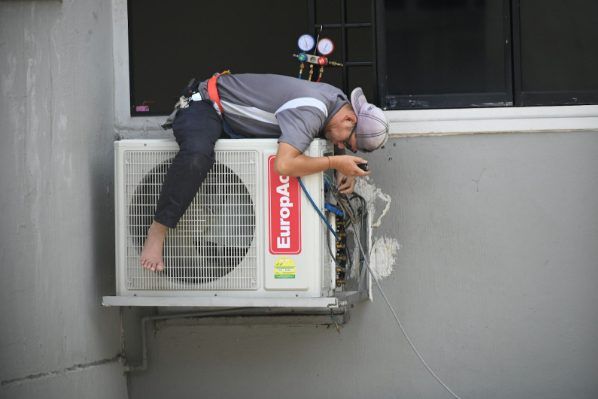
Next, the new unit is installed, with meticulous attention to detail. The outdoor condenser must be placed on a stable, level surface to prevent vibration issues, while the indoor evaporator coil and air handler need to be securely positioned for optimal airflow. Every connection, from refrigerant lines to electrical wiring, is double-checked for precision.
Finally, there’s the testing phase. A thorough technician won’t just power up the unit and walk away. Instead, they’ll check refrigerant levels, measure airflow, calibrate the thermostat, and make sure the system is running at peak efficiency. This step is critical—small installation errors can lead to major performance issues over time.
The Common Pitfalls to Avoid
A rushed or improper installation can turn a high-quality AC into a frustrating money pit. One of the biggest mistakes? Poorly sealed ductwork. Even the best air conditioner will struggle if cooled air is escaping before it ever reaches the rooms that need it.
Another issue? Incorrect refrigerant levels. Too much or too little refrigerant puts unnecessary strain on the compressor, shortening the system’s lifespan and reducing efficiency. This is why hiring a certified professional—not a handyman or someone “who’s done this before”—is worth every penny.
What to Expect After Installation
The first few days with a new AC often reveal just how much of a difference a well-installed system makes. Cooling should feel consistent, humidity levels balanced, and airflow strong without excessive noise. A new unit shouldn’t struggle to reach the set temperature or run nonstop—that’s a sign something isn’t quite right.
Most professional installations include a follow-up check or at least a warranty on labor, so it’s always a good idea to schedule a quick system review after a few weeks of use. This ensures everything is working as expected and gives peace of mind that the investment was worth it.
Final Thoughts
A new air conditioning system isn’t just about beating the heat—it’s about long-term comfort, energy efficiency, and making a home feel just right. Choosing the right unit, ensuring a meticulous installation, and paying attention to the details make all the difference. When done correctly, it’s not just an upgrade—it’s an investment that pays off every time the temperature rises.
