

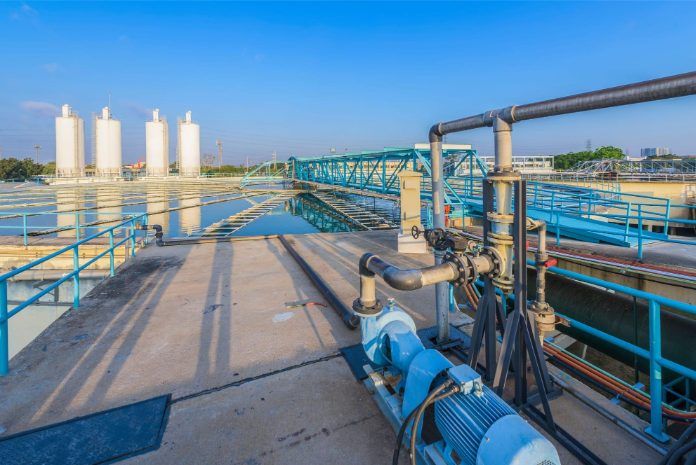
Industrial reverse osmosis systems help facilities treat used or poor-quality water so it can be reused more safely and efficiently.
For many industrial sites, water is not just a utility. It is part of daily production, cleaning, cooling, rinsing, and processing. When water use is high, even small improvements in recovery can reduce waste, lower operating pressure on supply sources, and support more responsible water management.
Why Water Reuse Matters In Industrial Settings
Many industries generate wastewater or process water that still has value after proper treatment. Instead of sending all of it to discharge, facilities can treat and reuse a portion of that water for approved applications.
This can be useful in manufacturing, food processing, power generation, chemical production, and other operations where water demand is constant. Reuse does not mean untreated water goes back into the system. It means the water is cleaned to a level suitable for its next purpose.
How Reverse Osmosis Supports Recovery
Reverse osmosis separates impurities by forcing water through a semipermeable membrane under pressure. The membrane helps separate dissolved salts, minerals, and many other unwanted substances from the water.
An industrial reverse osmosis system can be designed to recover a meaningful amount of water from process streams, depending on the feedwater quality and system goals. The treated water, often called permeate, may then be reused in boilers, cooling towers, rinsing lines, or other suitable processes.
The rejected stream contains the concentrated materials removed from the water. Managing this stream properly is an important part of system planning.
Common Benefits For Facilities
Industrial reverse osmosis can support water reuse in several practical ways:
- Reduces the need for fresh water intake
- Helps control water quality for sensitive processes
- Lowers the amount of wastewater sent for discharge
- Supports compliance with internal or regulatory water goals
- Improves consistency in operations that depend on clean water
These benefits depend on correct system design, pretreatment, maintenance, and monitoring.
The Role Of Pretreatment
Reverse osmosis membranes need protection. If water contains suspended solids, chlorine, hardness, organic matter, or other problematic materials, the membranes can foul or degrade.
That is why pretreatment is often used before reverse osmosis. This may include filtration, softening, chemical dosing, carbon filtration, or other water treatment equipment based on the condition of the incoming water.
Good pretreatment helps the system run more reliably and can extend membrane life.
Where Recovered Water Can Be Used
Recovered water is not used in the same way in every facility. Its final use depends on quality requirements and safety standards.
Common reuse applications may include:
- Boiler feedwater
- Cooling tower makeup water
- Equipment washing
- Process rinsing
- Utility water applications
Before reuse, facilities usually test the treated water to confirm it meets the required standards for that specific application.
Planning A System That Fits The Site
Every industrial site has different water conditions, flow rates, discharge limits, and reuse goals. A successful system starts with water testing and a clear understanding of how the recovered water will be used.
The best results usually come from matching the reverse osmosis system with the right pretreatment, controls, cleaning schedule, and monitoring plan. When properly designed, it can become a practical component of a broader water reuse and recovery strategy.
