



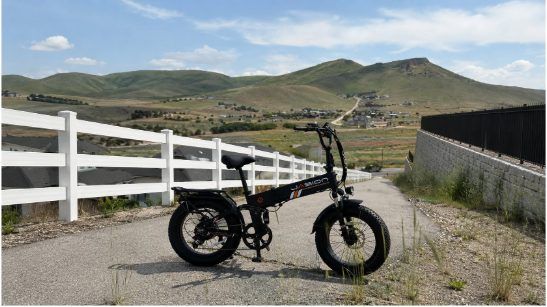
Choosing an electric bike often comes down to more than just motor power or advertised range. The way a bike handles uneven terrain, absorbs bumps, and uses battery power during real-world riding can have a greater impact on the overall experience. For riders exploring all terrain electric bikes fat tire models deserve close attention because they combine stability, versatility, and comfort in ways that standard tires often cannot.
However, fat tire ebikes are not the ideal solution for every rider. Their wider tires, heavier construction, and rolling characteristics create trade-offs that buyers should understand before making a decision. Knowing how traction, comfort, and battery efficiency interact can help you choose a model that better matches your riding style.
Why Fat Tires Make a Difference
Unlike standard bicycle tires, fat tires are typically 4 inches or wider. This larger contact patch spreads the rider’s weight over a greater surface area, allowing the bike to travel more confidently across loose or uneven terrain.
Instead of sinking as easily into sand, gravel, snow, or soft dirt, wider tires can maintain better flotation and stability. On paved roads, they also absorb small bumps and cracks that would normally transfer vibration directly to the rider.
That doesn’t mean fat tires automatically provide better grip in every situation. Tire tread, rubber compound, tire pressure, and trail conditions all influence traction. A properly inflated fat tire can improve stability on many surfaces, but riding technique and terrain still matter.
Understanding the Relationship Between Traction and Battery Efficiency
One common misconception is that larger tires always reduce battery performance. The reality is more nuanced.
Fat tires generally create higher rolling resistance than narrower tires, especially on smooth pavement. This means the motor may need to work harder to maintain the same cruising speed, which can increase energy consumption.
At the same time, riding conditions play a major role. On loose trails where standard tires struggle for grip, improved traction may reduce wheel slip and help the motor deliver power more effectively. Rather than wasting energy through repeated loss of traction, the bike can maintain steadier forward momentum.
Battery efficiency therefore depends on several combined factors, including:
- Tire pressure
- Rider weight
- Terrain
- Riding speed
- Motor efficiency
- Wind conditions
- Total bike weight
Advertised range figures are usually measured under controlled conditions, so real-world performance will vary from rider to rider.
Comfort Comes From More Than Suspension
Many buyers assume suspension alone determines ride comfort. In reality, tires contribute just as much.
Because fat tires contain a larger volume of air, they naturally absorb vibrations before those impacts reach the frame. Even at moderate tire pressures, they can smooth rough pavement, gravel roads, forest paths, and uneven trails.
For riders who frequently encounter mixed terrain, this additional cushioning can reduce fatigue during longer rides.
Some riders looking for greater comfort may also consider a full suspension ebike, where both the front fork and rear suspension work together to absorb larger impacts. While full suspension can improve control on rough trails, it also adds weight, mechanical complexity, and maintenance requirements. The best choice depends on the type of riding you expect to do rather than assuming more suspension is always better.
Tire Pressure Plays a Bigger Role Than Many Riders Realize
One advantage of fat tire bikes is their flexible operating pressure.
Lower tire pressure can increase the contact area with the ground, improving comfort and control on loose surfaces such as sand or snow. Higher pressure reduces rolling resistance on pavement and may improve efficiency during everyday commuting.
Finding the right balance depends on:
- Surface conditions
- Rider weight
- Cargo load
- Weather
- Desired riding feel
Using unnecessarily low pressure on pavement may increase rolling resistance, while excessive pressure on rough trails can reduce traction and comfort.
Weight Is Part of the Equation
Fat tire ebikes are usually heavier than many standard electric bikes. Wider wheels, larger tires, stronger frames, and larger batteries all contribute to additional weight.
Extra weight can influence:
- Acceleration
- Carrying the bike upstairs
- Vehicle transport
- Battery consumption on steep climbs
On the other hand, the added mass can also improve stability at moderate speeds and when carrying gear. Riders planning to transport an ebike frequently should consider overall bike weight alongside folding capability or storage space rather than focusing on tire size alone.
Wheel Size Affects Ride Characteristics
Not all fat tire ebikes use the same wheel diameter.
Some models feature 20-inch wheels paired with wide tires, creating a compact design that can improve maneuverability and storage convenience. Others use 26-inch wheels that roll more smoothly over larger obstacles and may feel more familiar to riders accustomed to traditional bicycles.
Neither size is universally better. The right option depends on where and how you ride, along with your preferred balance between portability and trail capability.
Replacement Parts and Long-Term Ownership
When comparing fat tire ebikes, it’s worth looking beyond the initial specifications.
Replacement tires, brake components, drivetrains, and other wear items eventually need servicing. Buyers may benefit from choosing brands that offer readily available replacement parts and maintain a range of compatible models.
Considering long-term maintenance before purchasing can make ownership more convenient, especially for riders who expect to use their ebike regularly.
When Is a Fat Tire Ebike the Right Choice?
Fat tire ebikes are often well suited for riders who:
- Ride on gravel, dirt, snow, sand, or mixed terrain.
- Value stability and ride comfort over maximum efficiency.
- Want additional confidence on uneven surfaces.
- Frequently encounter changing trail conditions.
They may be less suitable for riders whose priority is carrying a lightweight bike upstairs every day or maximizing battery range during paved urban commuting.
Why Consider JasionBike?
As you compare fat tire electric bikes, it helps to look at brands that offer different configurations rather than a single design philosophy.
JasionBike‘s lineup includes fat tire models with varying wheel sizes, suspension configurations, and frame styles, giving riders options for different riding environments and preferences. This broader selection allows buyers to compare features that matter most—such as comfort, terrain capability, storage needs, and overall specifications—instead of assuming one setup fits every rider.
Final Thoughts
Fat tire ebikes offer a balance of traction, comfort, and versatility that appeals to many riders, particularly those who venture beyond smooth pavement. Their wider tires can improve confidence on loose surfaces while providing natural cushioning that enhances ride comfort.
At the same time, wider tires, increased weight, and higher rolling resistance introduce trade-offs that buyers should consider alongside battery efficiency and intended use. By evaluating factors such as tire pressure, terrain, wheel size, suspension, and overall bike design, you’ll be better equipped to choose an electric bike that aligns with your riding needs rather than relying on specifications alone.


