



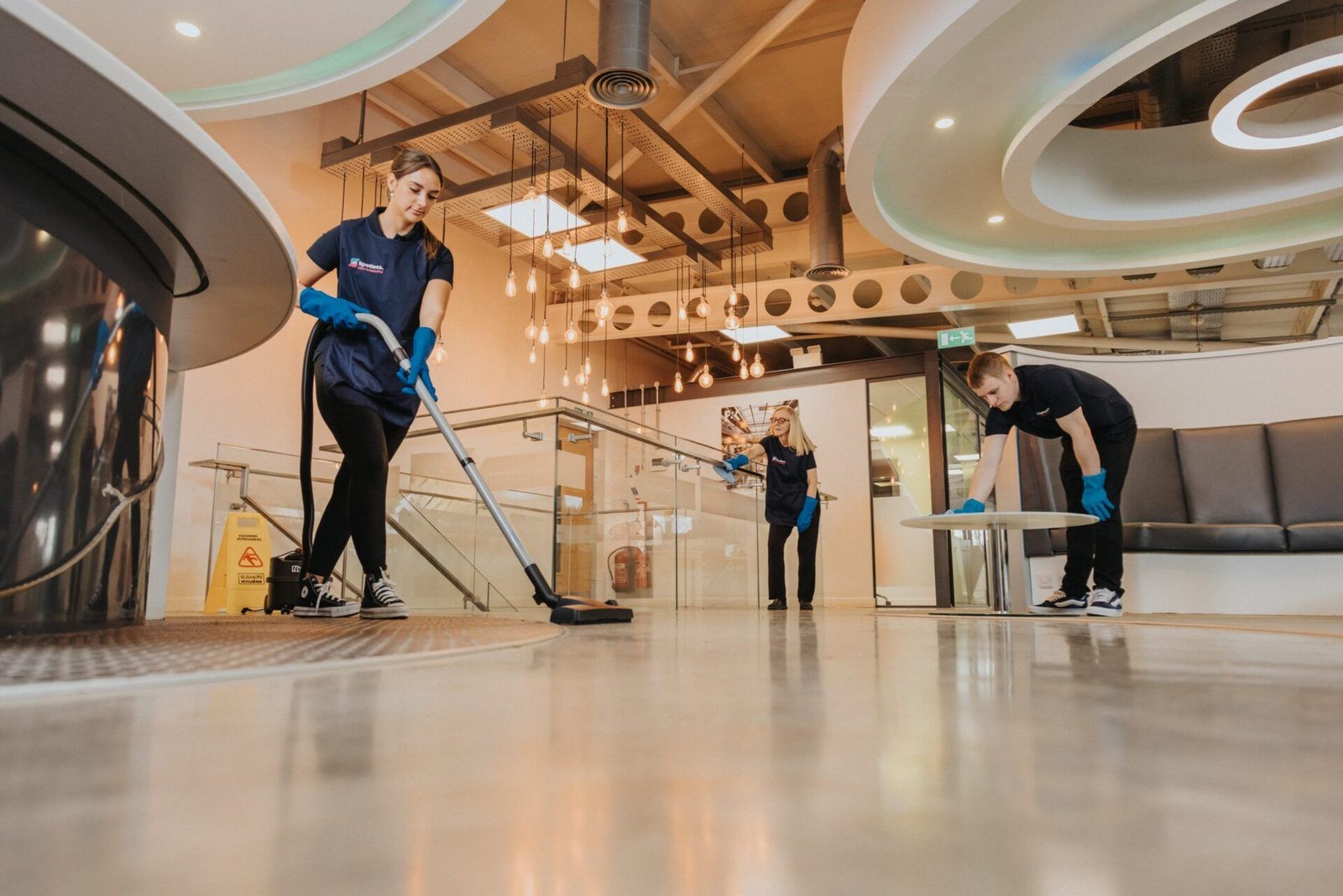
Large properties experience constant foot traffic, require varied materials, and must comply with strict sanitation demands. Their condition depends on a lot more than just occasional vacuuming or surface wiping. A qualified cleaning partner coordinates janitorial work, floor maintenance, restroom care, glass cleaning, waste removal, and urgent response. That organized support protects indoor hygiene, reduces premature material damage, and gives employees, tenants, and visitors a more comfortable place to work, meet, and move through each day.
Building a Practical Cleaning Schedule
A sound program begins with an assessment of entrances, elevators, restrooms, offices, corridors, meeting rooms, storage spaces, and service areas. Each location receives a frequency based on traffic, use, surface type, and infection risk. Commercial building cleaning in New York can coordinate janitorial care, sanitation, carpet treatment, floor work, windows, and outdoor areas. One accountable team simplifies communication and keeps duties aligned across multiple floors.
Managing High-Traffic Areas
Entrances, reception zones, elevators, and stairwells reveal soil buildup quickly. Shoes bring grit indoors, while deliveries introduce packaging fibers, moisture, and debris. Day porters can remove litter, treat spills, disinfect touchpoints, and replenish supplies during operating hours. Their presence prevents minor problems from escalating, especially during morning arrivals, lunch periods, and event turnover.
Protecting Floors and Carpets
Flooring absorbs the strain of heavy movement, rolling equipment, tracked moisture, and chemical residue. Hard surfaces need sweeping, damp mopping, machine scrubbing, burnishing, and periodic refinishing. Carpeted areas require vacuuming, spot treatment, deep extraction, and scheduled restoration. The correct process depends on fiber, finish, traffic volume, and soil type. Consistent maintenance extends service life and minimizes replacement costs.
Supporting Health and Sanitation
Shared contact points can transfer microorganisms throughout a facility. Door pulls, elevator buttons, railings, counters, faucets, and restroom fixtures require frequent attention. Trained personnel follow product labels, dilution requirements, dwell times, and safe storage procedures. Restrooms warrant close monitoring because moisture, odor, empty dispensers, and poor ventilation affect comfort quickly. Reliable sanitation supports workplace health policies without exposing occupants to unnecessary chemical residue.
Maintaining Glass and Exterior Areas
Clean windows, sidewalks, loading bays, and entry surroundings shape a visitor’s first impression. Interior glass needs lint-free tools and suitable solutions to prevent streaking, haze, and fingerprints. Exterior care may include pressure washing, litter collection, salt removal, and seasonal debris control. Planned attention prevents weather-related deposits from becoming permanent stains and helps reduce slip hazards near doors, ramps, and walkways.
Adjusting Services Around Operations
Cleaning should support productivity rather than interfere with it. Crews can complete noisy floor work before opening, refresh shared rooms between bookings, and schedule detailed restroom service during quieter periods. Supervisors also coordinate keys, freight elevators, restricted areas, deliveries, and tenant requirements. That preparation reduces interruptions while allowing workers to complete demanding tasks safely and thoroughly.
Using Supervisors and Inspections
Several crews working across many levels need direct oversight. Supervisors inspect completed rooms, confirm supply quantities, review equipment condition, and record deficiencies. They can correct missed details before those issues become routine. Checklists provide measurable standards, while scheduled meetings give facility leaders a practical way to discuss concerns, staffing changes, and upcoming priorities. Documentation also creates a clear record of service performance.
Handling Special Events and Changes
Conferences, tenant moves, renovations, seasonal programs, and emergency repairs can alter cleaning requirements with little notice. A dependable partner adjusts staffing while preserving scheduled duties. Event support may include room preparation, waste control, restroom checks, spill response, and post-function restoration. After construction, crews remove fine dust, adhesive residue, packaging, and tracked debris before employees or visitors return. Timely coordination makes transitions safer and less disruptive.
Choosing Reliable Building Support
Facility leaders should examine training standards, staffing coverage, inspection procedures, product policies, response times, and emergency availability before selecting a provider. References can clarify attendance, communication, consistency, and issue resolution. Written scopes should identify included areas, service intervals, consumables, equipment, and reporting methods. The strongest arrangements allow assignments to change as occupancy, tenant needs, and operating hours change.
Conclusion
A commercial cleaning partner keeps extensive properties presentable through disciplined scheduling, skilled personnel, careful sanitation, and documented inspections. Routine attention protects entrances, floors, carpets, restrooms, windows, and exterior surfaces from accelerated wear. Flexible staffing handles events, repairs, and changing occupancy without neglecting essential duties. With dependable coordination in place, facility teams can focus on tenants, visitors, safety, and daily operations while occupants enter a cleaner, healthier environment.


