



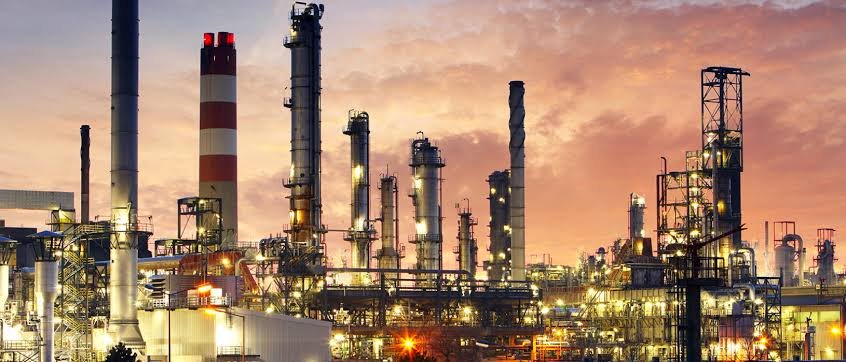
India is rapidly cementing its position as a primary destination for global manufacturing. As multinational corporations increasingly adopt a “China Plus One” strategy to diversify their supply chains, India recorded a historic 81 billion dollars in foreign investments in the recent fiscal year. This influx is driven heavily by global enterprises establishing or expanding massive facilities, according to a recent report by Invest India. However, while the macroeconomic indicators and demographic dividends are highly promising, corporate leaders and chief financial officers must carefully evaluate the financial realities of executing a local build. Without a highly coordinated expansion strategy, building a factory from scratch exposes foreign entities to unexpected capital expenditures and severe timeline delays.
Navigating Regulatory and Land Acquisition Hurdles
Statistics show that ninety percent of large industrial developments globally exceed their original budgets. In the Indian market, this risk is frequently tied to local compliance complexities and real estate challenges. Land acquisition disputes remain one of the largest structural bottlenecks in the country. These disputes cause roughly 35 percent of delays in major transport and infrastructure projects that support emerging industrial nodes. Utilizing professional Greenfield project management provides a crucial strategic solution for mitigating these initial hurdles, ensuring that land procurement and site planning align with legal frameworks.
Furthermore, foreign entities setting up operations must navigate a dense and often fragmented regulatory matrix. Securing the necessary permits typically requires more than twenty distinct statutory clearances from local, state, and central authorities. Labor laws and environmental regulations also vary significantly across different Indian states, adding another layer of complexity. Environmental clearances for heavy industrial projects are particularly time-consuming. They have historically faced severe bottlenecks, with processing times vastly exceeding the government’s stipulated deadlines. A recent Supreme Court ruling also quashed a previous government order that allowed ex-post facto environmental clearances. This cements the legal reality that corporations must secure mandatory environmental permits well before breaking ground. Any misstep in the paperwork or failure to engage local stakeholders can freeze a project indefinitely, tying up millions in capital.
Operational Delays and Supply Chain Repercussions
The financial impact of a stalled construction site is staggering. The average cost of delay on a typical 50-million-dollar manufacturing project is estimated at 45,000 dollars per day during the execution phase. While building a new facility requires an average execution phase of twelve to thirty-six months, fully stabilizing the asset for maximum throughput can easily take three to five years. During this period, volatile material costs and inflation can quickly erode the projected return on investment.
When a physical site faces construction or regulatory delays, the downstream effects are immediate and severe. A factory that cannot open on schedule quickly creates broader disruptions across the regional distribution network. This inevitably leads to the hidden costs of inefficient order fulfilment, directly eating into projected profit margins as companies scramble to meet regional demand without their primary local asset online. Executive teams are forced to rely on expensive stopgap measures, such as air freighting goods from alternative locations or outsourcing to third-party contract manufacturers at a premium.
Leveraging Incentives and Infrastructure Improvements
Despite the initial hurdles of establishing a physical footprint, the long-term operational advantages in India are substantial. The government has made aggressive moves to streamline operations for foreign manufacturers. By understanding and leveraging these improvements, companies can offset initial setup costs and achieve highly competitive internal rates of return ranging from fifteen to twenty-two percent.
Key logistical and policy developments driving this efficiency include:
- Reduced Logistics Costs: Thanks to modernized infrastructure, national logistics costs have dropped significantly. The government is targeting further structural reductions to stabilize these costs at nine percent of GDP by December 2025.
- Faster Freight Corridors: Expanding Dedicated Freight Corridors have successfully increased average rail freight speeds from twenty-six kilometers per hour to over seventy kilometers per hour. This dramatically improves the timeline for evacuating finished goods from inland factories to major seaports.
- Generous Production Linked Incentives: The flagship Production Linked Incentive scheme has officially disbursed billions of rupees in manufacturing incentives to qualified companies across sectors like electronics and auto components.
However, because incentive payouts are strictly tied to meeting aggressive incremental sales and production milestones, corporate leaders face unprecedented pressure to deliver their new setups on time. Any delay in factory construction threatens a company’s eligibility for these lucrative financial rewards.
Expanding into India offers incredible upside for global manufacturers looking to diversify their supply chains and tap into a massive domestic consumer base. The key to capturing this value lies in precise execution. By acknowledging the financial risks associated with land acquisition, local compliance, and construction delays, corporate leaders can proactively implement strategies to protect their investments. With the right localized oversight and project management framework, a new manufacturing facility can smoothly transition from a complex construction site into a highly profitable cornerstone of your global operations.


