



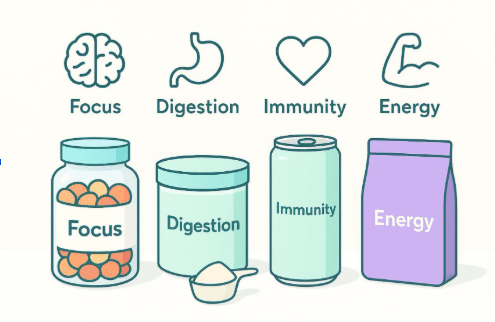
The supplement market is changing fast, and functional wellness brands are a big reason why. These brands do more than sell pills or powders. They offer simple ways for people to support daily health goals, and that message is reaching more people each year.
Their growth comes from a few clear ideas: whole-body health, personal options, clear ingredient info, and using ingredients supported by research. The global dietary supplements market was worth close to USD 152 billion in 2021 and may reach USD 300 billion by 2028, based on STASTICA reports.
Many shoppers want more than basic nutrition. They want support for things like focus, digestion, and immunity. You can see this in the rising interest in products like functional mushroom gummies from Circle Organics, which combine traditional ingredients with an easy format.
How Functional Wellness Brands Are Shaping the Supplement Market
Health habits are shifting, and functional wellness brands are helping lead that change. They push the idea that nutrition can be purposeful, not just filling.
What Defines a Functional Wellness Brand?
A functional wellness brand focuses on functional nutrition. This means creating foods, drinks, and supplements that go beyond basic nutrition and aim to support clear health benefits. The idea is simple: what you take in can affect how you feel, how you perform, and how you live day to day. This is different from older supplement ideas that mainly focused on “meeting daily needs.” Instead, these brands offer enjoyable and practical options that support daily health now and over time.
These brands use a wide mix of ingredients, such as standard vitamins and minerals, plus more specialized options like herbs, botanicals, amino acids, and fatty acids. A key feature is the use of bioactive ingredients-natural compounds (often from plants and fungi) that can affect body processes. Examples include lactoferrin, collagen, curcumin, and carotenoids. These are not basic nutrients. They are chosen for specific roles like supporting immunity, heart health, or bone health at a cell level.
Core Values and Unique Selling Points
Functional wellness brands are built around values that match what many shoppers want today:
- Whole-body health: physical, mental, and emotional well-being matter together
- Prevention: products that help keep the body in balance before problems grow
- Real brand identity: clear stories and open business practices, often paired with packaging that appeals to groups like Gen Z
Their main selling point is targeted support rather than one product for everyone. These brands aim to help people:
- lower the chance of illness
- support strong daily health
- reduce common discomforts
- help the body return to balance
By linking ingredient research with everyday routines, they try to make healthy habits easier to stick with and more enjoyable.


Market Factors Driving Demand for Functional Supplements
Demand for functional supplements is rising for several reasons. Over the past 20 years, supplement use has climbed worldwide, and COVID-19 pushed that even higher. During the pandemic, many people turned to supplements for immune support, inflammation support, and general protection. Sales jumped, even though strong proof of benefit against the virus was limited.
Outside of COVID-19, more people are thinking about health because medical knowledge is growing and living standards are improving. Many shoppers want to take action early, not wait until they feel sick. More than half of global consumers say they are actively looking for ways to improve well-being.
At the same time, the global population is aging, and long-term health problems like diabetes, heart disease, and obesity are more common. That combination increases demand for nutraceuticals and wellness supplements. Add in higher disposable income in many markets, and functional wellness brands have a strong base for growth.
Major Trends Accelerating Growth of Functional Supplement Brands
Functional supplements are not standing still. Consumer expectations and new tech keep pushing the category forward.
Personalization and Precision Nutrition
Many consumers no longer want generic health products. They want options that fit their needs, especially as healthcare costs rise and people try to manage health earlier. This has moved the market from broad products to personal nutrition plans.
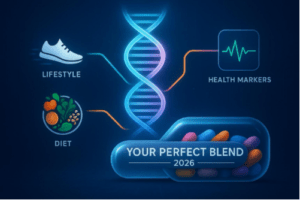

Brands are using tools like AI to give more specific, data-based recommendations. These tools can review factors like:
- lifestyle habits
- genetics
- microbiome information
- health markers and goals
Many brands combine this with subscription plans. Recommendations can be adjusted by age, gender, activity goals, and health concerns, so buyers feel like the product fits them better.
Transparency and Clean Label Expectations
Trust is a big deal in wellness, and clear labeling matters more than ever. Shoppers read labels closely and pay attention to things like dyes, sugar, and nutrition scores. This pressure is pushing many brands to reformulate.
Brands that perform well here usually do the basics well:
- list ingredients clearly
- explain sourcing when possible
- follow ethical production rules
- communicate openly with customers
Many consumers avoid synthetic additives and preservatives. Plant-based options and organic choices are also popular, especially for shoppers who want products they see as safer and “cleaner.”
Science-Backed and Bioactive Ingredients
More people now ask, “Does this actually work?” That is pushing brands to highlight research and choose ingredients with evidence behind them. Bioactives like lactoferrin, collagen, curcumin, and carotenoids are popular because they are included for specific effects in the body.
At the same time, the industry still needs more high-quality clinical research for many ingredients. Clear proof about long-term safety and real results is key if brands want consumers to trust product claims.
Holistic Health: Mind, Body, and Lifestyle
Wellness now includes more than physical fitness. Many people deal with work pressure, family duties, financial stress, and busy schedules, and all of that affects health choices. Mental well-being and physical well-being are now linked in most people’s minds.
Functional wellness brands respond by offering products that support areas like:
- daily energy
- sleep quality
- healthy eating habits
- hydration
This wider view also explains the rise of nootropics for focus and supplements aimed at better sleep. The goal is support for the full person, not just one body function.
Consumer Preferences Influencing Supplement Innovation
Consumers are better informed and more selective than before. Their choices now shape what brands create and how they market it.
Impact of Demographic Shifts and Wellness Mindset
Different age groups influence demand in different ways. Gen Z is helping drive growth, especially for products like nootropics for mental performance. At the other end, older adults often focus on healthy aging and prevention. They look for products that may lower risks linked to aging, including heart health, cognitive health, mobility, and bone support.
Life stage also matters. Examples include:
- Pregnancy and breastfeeding: common supplements include folic acid, iron, vitamin B12, and omega-3s
- Children: some parents use supplements for growth support or concerns like hyperactivity or asthma
- Athletes: sports supplements are widely used, such as creatine, beta-alanine, caffeine, and vitamins to support recovery and performance
Common Health Goals and Challenges Addressed
Most people take supplements for prevention and general wellness. Surveys show common reasons include improving immune health (36%) and supporting overall health and well-being (44%). COVID-19 increased interest in vitamins and minerals linked with immunity, including vitamins C, D, B, and zinc.
Other major goals are growing fast:
| Health focus | What’s driving interest | Common supplement angles |
| Weight management | Global top concern (38% of consumers); more attention due to GLP-1 drugs | Protein, fiber, key vitamins, nutrient-dense formulas |
| Gut health | Market expected to more than double by 2034 (from £86.7B in 2025) | Probiotics, prebiotics, digestive support blends |
| Hydration | More people want daily hydration support | Electrolyte mixes and drinks |
| Beauty (nutricosmetics) | Interest in skin, hair, and nails | Collagen, peptides, vitamins |
Role of Digital Engagement and Education
Online access to health info has changed how people shop for supplements. Many consumers use the internet, mobile tools, and social media to learn about products. During COVID-19, e-commerce use grew quickly, and many shoppers got comfortable buying supplements online.
This easy access lets people compare brands, read reviews, and learn about ingredients. It also pushes demand for clean-label and evidence-based products. Social media plays a large role in discovery, helping brands teach consumers, share stories, and build communities around shared health goals.
Strategies Functional Wellness Brands Use to Drive Market Growth
These brands use several smart methods to meet demand and keep expanding.
Product Innovation and Differentiation
New formats and ingredients help brands stand out. Instead of only capsules, many companies now sell:
- gummies
- liquids
- powders
- nutrition shots
- powder sticks for mixing into drinks
- functional drinks and other “food-like” options
The idea is “enjoyable and useful.” Some products are made to taste good while still offering a health benefit, like vitamin fruit chews or functional sparkling drinks.

Protein is another major area. Better processing methods are creating cleaner, more functional proteins with improved taste and texture, better mixing, and longer shelf life. Brands are also expanding into many need areas, such as immunity, energy, weight support, and age-related goals like joint, brain, and heart support.
Collaborations, Partnerships, and Influencer Marketing
Partnerships help brands grow faster and reach new buyers. Many companies expand through acquisitions or portfolio growth to enter new markets and reach different audiences. Examples include Nestlé buying yFood and Müller buying Biotiful, showing that large companies and investors see wellness as a strong business area.
Influencers also matter, especially for Gen Z and younger buyers. Brands partner with creators who match their values so they can reach the right audience and build trust. These partnerships can improve distribution, brand awareness, and customer loyalty.
Omnichannel Distribution and Direct-to-Consumer Models
Distribution can decide whether a brand grows or stalls. Many brands sell across several channels so people can buy where they prefer. Offline sales still matter a lot: pharmacies, drugstores, supermarkets, and specialty stores made up 81.0% of dietary supplement sales in 2021, and supermarkets/hypermarkets were about 33.9% of offline sales.
Online shopping grew quickly during COVID-19 and remains important. Many brands also use direct-to-consumer (DTC) sites, often with subscription services and personalized plans. This helps brands control messaging, build direct customer relationships, collect feedback, and create a loyal customer base.
Regulatory Considerations and Quality Standards
As the market grows, rules and quality controls become more important for safety and trust.
Regulatory Challenges Across Key Markets
A major issue in supplements is that regulations are often lighter than for medicines. In many places, supplements are treated more like food, so they may not need pre-market approval for safety or results. Rules also vary widely between countries, and there is no single global system for definitions or product categories.
Examples across regions:
- USA: FDA regulates supplements under DSHEA (1994) as foods; makers are responsible for safety; new dietary ingredients require NDIN disclosure
- China: “Health Food” is strictly controlled by CFDA/SAMR and needs approval for specific health functions
- EU: “Food Supplements” follow general food law; EFSA sets safe upper intake levels for vitamins/minerals; pre-market approval is not required for all products
- Algeria: limited specific rules, with concerns about false ads and adulteration; a recent ban hit 20 products with undeclared drug ingredients
These differences create barriers for global brands and can create safety risks when oversight is weak or claims are poorly monitored.
Building Trust Through Third-Party Certifications
Because rules can vary and some products are mislabeled or contaminated, shoppers often worry about quality. Problems can include heavy metals, undeclared drugs, or incorrect ingredients, which can lead to health risks.
Third-party certifications help fill this gap. Independent testing and audits can confirm product quality and safety, from production through distribution. Brands that choose outside verification show they take quality seriously, which can build trust and help them stand out in a crowded market — the same reasoning behind the transparency and clean-ingredient claims companies like Circle Organics put front and center.
Key Challenges Facing Functional Wellness Brands
Even with strong growth, these brands face real hurdles that require planning and strong operations.
Managing Intense Competition and Market Saturation
As the supplement market grows, more companies enter it-small startups and large global brands alike. This makes it harder to get attention and earn trust. Clear marketing and a real brand identity help companies stand out. Private equity is also buying and combining smaller brands, which can raise competitive pressure for independent businesses. To keep up, brands need steady innovation and a clear reason for customers to choose them.
Balancing Product Claims with Evidence-Based Practices
Another challenge is making strong marketing claims without going beyond what research supports. Many supplements are used for real health reasons, but some still do not have enough data to back broad claims. The COVID-19 boom showed how quickly people will buy “immune support” products even when direct proof is limited.
This creates risk for brands. Weak or misleading claims can damage trust. Safety issues can also happen through overdoses, contamination, or interactions with medicines. More clinical research is needed across the category, and brands need to communicate clearly and encourage people to talk with a healthcare provider before starting new supplements.
Sustainability and Supply Chain Transparency
Many consumers now care about how products are sourced and what impact they have on the environment. They want to know where ingredients come from and whether sourcing is ethical.
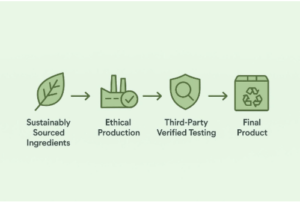

At the same time, global supply chains can be hard to track. Brands must work to prevent contamination from pesticides, heavy metals, or undeclared drug ingredients. They also need strong systems to track products from manufacturing to distribution. Full transparency and real sustainability can cost more and take time, but they matter for long-term trust.
Outlook for Growth and Innovation in the Supplement Industry
The supplement industry, especially functional wellness, still has plenty of room to grow as health habits and science continue to progress.
Emerging Opportunities for Brands and Consumers
Wellness is now a long-term business focus, not a short-lived trend. That means more investment, more brand growth, and more consolidation through acquisitions and global expansion. Areas likely to keep growing include functional nutrition, clean supplements, and digital wellness tools.
For brands, this can mean new product launches, wider product ranges, and entry into new markets. It can also support local business growth and jobs, and in some regions reduce reliance on imports. For consumers, it means more choices that feel personal, effective, and easy to use.
Potential Impact of New Technologies and Research
New tech is pushing the market forward. Biotechnology is helping create new ingredients and better formulas, including probiotics, prebiotics, and adaptogens. AI is also opening new options for personal recommendations based on lifestyle and health data.
Better databases, software, and data science can also help standardize how supplements are defined and studied, and how formulas are evaluated. Research also drives growth by improving public understanding of what supplements can and cannot do. As more people use supplements, demand for stronger research on safety, results, and best use will keep rising.
Conclusion
Functional wellness brands are growing because they match how many people now think about health. More consumers want to take action early, build daily routines that support long-term health, and choose products that feel personal, honest, and backed by science.
As brands keep releasing new formats and targeted products, the industry will keep changing. Rules and product testing will stay important, and stronger research will be key for keeping trust and backing up claims. Functional supplements can help fill gaps and support specific goals, but they work best alongside a healthy diet with plenty of fruits and vegetables. The big shift is how these products fit into everyday life: nutrition that supports clear goals, paired with better lifestyle choices, helping more people stay healthier over time.


