

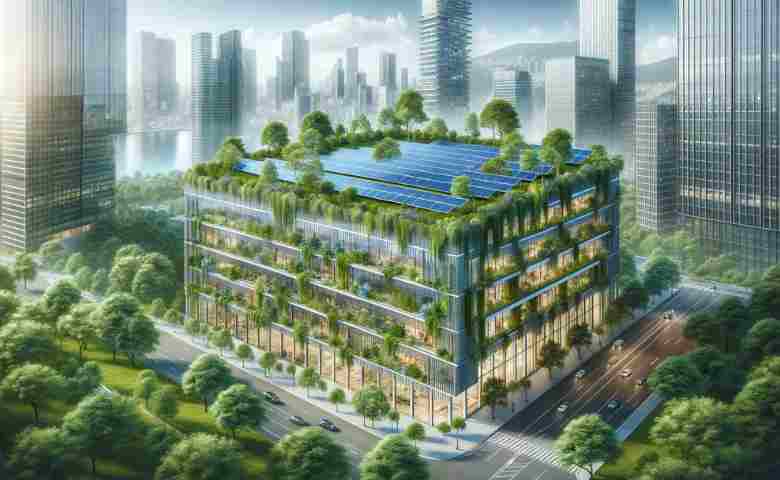
Introduction to Sustainable Construction
The construction industry is experiencing a major change as it adopts sustainable methods. This development is propelled by a pressing necessity to reduce the ecological effects linked to conventional construction techniques. Sustainable building methods emphasize effective resource management while incorporating advanced technologies to guarantee that structures are durable and eco-friendly.
This paradigm shift reflects a heightened awareness within the construction community regarding environmental preservation. Innovative solutions, ranging from integrating renewable energy sources to the efficient use of water, have become essential elements of contemporary building designs. As these sustainable approaches gain popularity, they are reshaping urban and rural landscapes, creating sustainable and beneficial spaces for both human and environmental health.
Innovative Materials and Technologies
The success of sustainable construction largely depends on the materials and technologies employed. For instance, a well-known Florida commercial contractor has been at the forefront of adopting energy-efficient construction methods, setting a benchmark for others in the industry. One of the most promising materials leading this change is cross-laminated timber (CLT), known for its structural strength and renewability. This material is widely used in building constructions aiming for sustainability due to its lower carbon footprint than traditional materials like steel and concrete.
Recycled steel is another material that is making significant strides in sustainable building. Using recycled content drastically reduces the energy required for production, thereby minimizing environmental impact. Innovations in technology further enhance sustainability efforts. For instance, construction management systems now allow for more accurate resource allocation and waste reduction. The adoption of Building Information Modeling (BIM), a digital representation of a facility’s physical and functional characteristics, facilitates efficient collaboration across the construction process, allowing sustainable practices to be effectively implemented.
Benefits of Sustainable Practices
The adoption of sustainable construction practices offers numerous advantages, both environmental and economic. One of the most immediate benefits is the significant reduction in waste and energy consumption. Using materials efficiently minimizes construction waste, leading to lower disposal costs and less environmental damage.
Furthermore, sustainable buildings significantly contribute to better indoor air quality, directly impacting occupant health and productivity. Such buildings often incorporate natural ventilation systems and non-toxic materials that enhance the indoor environment. From an economic perspective, although the initial costs of sustainable buildings may be higher, they offer substantial long-term savings through reduced utility bills and maintenance costs. This economic viability makes them attractive to forward-thinking developers and investors looking to maximize environmental and financial returns.
Challenges and Solutions
Despite its benefits, adopting sustainable construction practices is not without challenges. Higher upfront costs, for example, can deter many developers. Additionally, navigating complex regulatory environments can pose significant obstacles, as compliance with various standards and codes often requires additional time and resources.
However, these challenges are not insurmountable. Governments and environmental agencies are increasingly introducing incentives to encourage sustainable building practices. These include tax credits, grants, or rebates that offset the higher initial investment costs, rendering sustainable projects more financially feasible. Moreover, the growing public demand for environmentally responsible buildings prompts legislation favoring sustainability, supporting industry alignment with green practices.
Case Studies of Successful Projects
Successful examples of sustainable construction provide valuable lessons for the industry. The Bullitt Center in Seattle is a prime example, often cited for its exemplary sustainable design. This building uses net-zero energy and incorporates various innovative features such as rainwater collection systems and geothermal heating.
Such structures demonstrate how sustainable practices can be effectively integrated into building projects without compromising functionality or aesthetics. They act as templates for future constructions and showcase the potential for sustainable designs to meet and exceed current environmental standards. These case studies further galvanize industry stakeholders to adopt similar practices in their projects.
The Role of Green Certifications
Green certifications have emerged as vital components in promoting sustainable construction practices. Programs like Leadership in Energy and Environmental Design (LEED) and Building Research Establishment Environmental Assessment Method (BREEAM) provide developers with the guidelines to create environmentally responsible buildings.
These certifications serve as benchmarks within the industry, encouraging builders to reach higher standards of environmental stewardship. Not only do they provide recognition for a building’s sustainability achievements, but they also offer tangible benefits such as increased property values and marketability. As such, they play a crucial role in driving the sustainability agenda in the construction industry, ensuring that new developments align with greener and more sustainable futures.
Future of Construction
The construction industry is on the cusp of a technological revolution promising to bolster sustainability efforts further. Smart buildings with integrated systems that monitor and optimize energy use are becoming increasingly prevalent. These advanced systems leverage Artificial Intelligence (AI) and the Internet of Things (IoT) to enhance building operations and reduce energy consumption.
Moreover, integrating real-time monitoring systems can drastically improve operational efficiency, allowing for early detection of issues that could lead to waste or increased energy usage. As technology continues to evolve, the construction of innovative, energy-efficient buildings will continue to rise, creating sustainable spaces that are responsive and adaptive to our needs and the surrounding environment.
Conclusion
As sustainable construction practices become more embedded within the industry, they offer unique challenges and opportunities. The construction industry can significantly reduce its environmental footprint by leveraging innovations in materials and technology and embracing green certifications. The collaborative efforts of builders, developers, and policymakers are crucial in ensuring that the built environment is sustainable, efficient, and conducive to a healthy planet. Together, they can help pave the way for a future where sustainable building practices are not the exception but the norm, guiding us towards a more sustainable, environmentally responsible world.
