

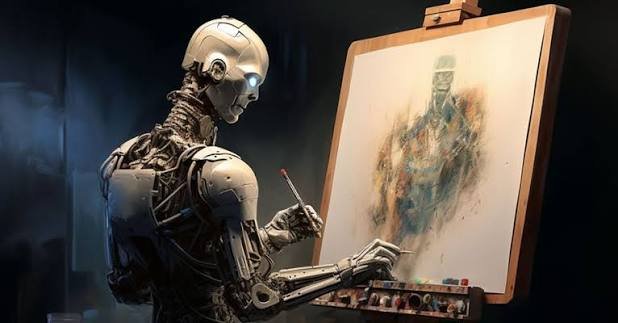
A prompt is not just a description of an image. It is a set of instructions given to a model trained on millions of images, and the specificity, structure, and vocabulary of those instructions determine whether the output needs four regenerations or works on the first attempt. Most beginner prompts fail at the same points: describing a subject without a context, naming a mood without a visual treatment, and leaving the model to make compositional decisions it has no basis to make well. The 20 prompts below are organized by use case, each built around the specificity that separates a usable professional result from a plausible but generic one.
The Anatomy of a Prompt That Works
Before the examples, the structural principle is worth stating plainly. A strong AI image prompt contains five layers: the subject (what is in the image), the context or environment (where it exists), the lighting (the single most important visual variable), the camera treatment (lens, angle, format), and the stylistic modifier (the aesthetic language that binds the other four).
Leaving any of these layers out forces the model to guess, and model guesses tend toward the most statistically common outputs in its training data. This produces competent but recognizable AI-default imagery rather than something that looks intentionally created.
Product and Commercial Photography Prompts
These prompts are built for e-commerce, brand campaigns, and any use case where the product needs to be the visual subject with controlled, commercially usable output.
Prompt 1: “A glass skincare serum bottle with a frosted texture, placed on a white marble surface with morning light coming from the left, soft shadow beneath the bottle, shallow depth of field, product photography style, 85mm lens, clean background, editorial quality.”
The frosted texture and marble surface provide tactile contrast. Specifying “morning light from the left” gives the model a clear lighting source direction rather than a default flat studio treatment.
Prompt 2: “Minimal sneaker product shot, single white trainer on a concrete pedestal against a muted grey background, dramatic overhead lighting, long shadow to the right, fashion editorial aesthetic, top-down angle, high contrast.”
The overhead angle and long shadow turn a simple product shot into something visually distinctive. Concrete and grey together create a streetwear-appropriate context without requiring additional props.
Prompt 3: “Premium coffee bag with matte black packaging and gold foil logo, flat lay arrangement on a warm wooden table with scattered coffee beans, natural window light, lifestyle product photography, 50mm lens, warm color grade.”
Flat lay is one of the highest-performing formats for packaged goods on social. Warm color grade in the prompt produces warmer shadow tones rather than neutral AI defaults.
Prompt 4: “Luxury watch face close-up, brushed steel dial with roman numerals, sitting on dark polished stone, single spotlight from above right, deep shadows, macro photography, black and white processing.”
Monochrome specified in the prompt produces a technically different output from a post-processed desaturate. The model renders lighting and contrast decisions appropriate to a black and white image from the generation stage.
Prompt 5: “Cosmetics flatlay: lipstick, blush compact, and mascara arranged diagonally on a pale pink linen background, soft natural light from the top, top-down perspective, beauty editorial photography, pastel color palette.”
Lifestyle and Brand Environment Prompts
These prompts place a product, a person, or a concept in a context that tells a story about how it fits into a life rather than simply documenting what it looks like.
Prompt 6: “Young professional woman working at a light wood desk in a bright home office, plants behind her, warm afternoon light through sheer curtains, candid moment looking at laptop, lifestyle photography, 35mm film grain, warm tones.”
Film grain in the prompt signals to the model to produce a softer, less digitally perfect look, which reads as authentic rather than stock-produced in lifestyle contexts.
Prompt 7: “Couple walking through a sun-drenched farmers market in summer, colorful produce stalls in the background, slightly blurred, golden hour light from behind, candid photography, 50mm lens, high saturation, joyful mood.” “Slightly blurred” for the background and “candid” discourage the model from defaulting to a posed, static framing.
Prompt 8: “Athletic person post-workout sitting on gym steps, water bottle in hand, breathing hard, natural overhead sunlight, authentic expression, sports lifestyle photography, 24mm wide angle, desaturated color grade, cinematic aspect ratio.”
Desaturated sports photography reads as contemporary over the over-saturated Instagram aesthetic that dominated the previous decade.
Prompt 9: “Close-up of hands holding a ceramic coffee mug, steam rising, cozy morning light from the left, blurred background of a warm living room, lifestyle photography, bokeh effect, earthy tones, intimate and peaceful mood.”
Tight compositions of hands and objects outperform wider lifestyle shots for social content because they create an immediately identifiable relatable moment without requiring a full scene setup.
Prompt 10: “Group of diverse creative professionals in an open plan office, casual discussion around a standing desk, natural light through large windows, candid moment, editorial photography, 28mm wide angle, cool neutral tones, modern workspace aesthetic.”
Content Creator and Social Media Prompts
These prompts are designed for thumbnails, channel art, social posts, and digital content where a strong visual hierarchy and high contrast are the primary requirements.
Prompt 11: “Bold YouTube thumbnail concept: shocked expression on a young man’s face, bright yellow background, large bold text space on the left, high contrast lighting, exaggerated facial expression, portrait format, pop art color palette.”
Prompt 12: “Abstract podcast cover art, dark navy background, microphone silhouette with glowing neon blue light rim, minimal composition, centered subject, graphic design aesthetic, square format.”
Prompt 13: “Instagram carousel header for a finance brand, modern illustration of a rising graph arrow in gold on a deep charcoal background, clean sans-serif typography area on right, financial editorial aesthetic, 4:5 ratio.”
Prompt 14: “TikTok-style vertical video thumbnail, female creator in casual clothing against a bold solid mint green background, caught mid-laugh, direct eye contact with camera, Gen Z aesthetic, 9:16 ratio, high saturation.”
Prompt 15: “LinkedIn banner image for a marketing professional, subtle gradient from dark teal to midnight blue, abstract network nodes connected by thin lines overlaid, minimal and authoritative, corporate digital aesthetic, 8:1 aspect ratio.”
Creative, Conceptual, and Artistic Prompts
These prompts push away from documentation and toward imagery built around an idea, emotion, or narrative. They are best for editorial, campaigns, and content where visual memorability is the priority.
Prompt 16: “Surreal scene: a woman reading a book while sitting on a floating island of grass in a cloud-filled sky at golden hour, hyperrealistic, cinematic lighting, volumetric clouds, vast sense of scale, digital painting style, 16:9 ratio.”
Prompt 17: “Dystopian urban street scene at night, rain-soaked neon reflections on wet pavement, lone figure in a trench coat walking away from camera, deep perspective, cyberpunk aesthetic, 28mm wide angle, dark and atmospheric.”
Prompt 18: “Abstract concept of time: melting clock face over a desert landscape at dusk, oil painting texture, warm copper tones, Dalí-inspired but original composition, fine art style, square format.”
Prompt 19: “Minimalist geometric composition: three overlapping circles in translucent red, blue, and yellow on a white background, Bauhaus design aesthetic, clean and purposeful, graphic art, 1:1 ratio.”
Prompt 20: “Environmental concept visual: hands cupping a small glowing forest inside, dark background, bioluminescent light from the leaves, macro photography style, symbolic and emotional, soft vignette edges, square format”
Applying These Prompts in a Production Workflow
Prompts are only as powerful as the model interpreting them. Artlist image generator tools provide access to 100+ AI image generation models within one platform. That means a product photography prompt can be tested across multiple engines without leaving the platform or managing separate subscriptions per model. The model that handles that prompt type best becomes the default for future generations in that category.
For teams building prompt libraries, this matters operationally. A tested prompt paired with the right model produces consistent results across an ongoing campaign. Background removal, image-to-image refinement, and AI blur all sit within the same workflow. There is no export step between generation and finishing.
The result is fewer handoffs, fewer tools, and one commercial licence covering every asset produced. For high-volume creative teams, that consolidation compounds in value with every project added to the pipeline.
The Bottom Line
The difference between a prompt that produces a usable image and one that requires a dozen regenerations is usually specificity in lighting, camera treatment, and stylistic context, and not a longer or more elaborate description. Use the 20 examples above as starting points, adapt the elements that match your use case, and apply the five-layer structure to any new prompt you build from scratch.
Precision compounds: each additional specific instruction narrows the model’s interpretation space toward something closer to the intended result. The prompts that consistently perform across multiple models share one quality – they leave the model with as few decisions as possible.
