



Independent living gets a bad rap. But in fact, it can be an opportunity to take a step forward. It’s a chance to reimagine daily life with more clarity, less stress, and more control over how each day is spent. For many older adults, this phase isn’t about slowing down. It’s about living with intention. It is about choosing a lifestyle that supports comfort, independence, and peace of mind. This is why independent living is becoming a deliberate choice rather than a reactive one.
Rethinking What Independence Means
Real independence is not about doing absolutely everything alone. It’s about having the freedom to choose how you want your days to look. That’s easy to forget when homeownership starts demanding more energy than it gives back. One minute it’s mowing the lawn. Then it’s dealing with repairs, replacing appliances, arranging appointments, and keeping up with bills. The list somehow never ends. After a while, those little tasks stop feeling productive and start feeling exhausting.
Independent living removes a lot of that background pressure. People still keep their routines, privacy, and personal space but without the nonstop upkeep hanging over them. Life simply feels lighter.
Letting Go of Constant Maintenance
There comes a point where maintaining a large home no longer feels rewarding. It just feels like work. And not the satisfying kind. Independent living communities are designed to remove those daily burdens. No surprise repair costs. No spending weekends dealing with plumbing issues or yard work. Instead, residents move into spaces built for comfort and ease. Things work the way they should. Problems get handled. Daily life becomes smoother and far less stressful. That extra time and energy can finally go somewhere better.
A Home That Still Feels Like Home
One concern many people have is simple: Will it still feel personal? That concern makes complete sense. The best independent living spaces don’t feel cold or clinical. They feel lived in. Comfortable. Familiar. Residents can still cook their favorite meals, decorate their space their own way, and follow the routines they’ve built over a lifetime.
Most communities include features like the following:
- Spacious layouts
- Private kitchens
- In-home laundry
- Climate control
- Comfortable living areas
Small details matter here. Morning coffee in your own kitchen. Favorite photos on the wall. A chair that sits exactly where you like it, near the window. Those familiar comforts make a huge difference. Communities like Lakeview Terrace reflect that idea well, offering apartments, villas, and garden homes designed to feel practical, welcoming, and easy to live in.
Independent Living at Lakeview Terrace
Staying Social Without Forcing It
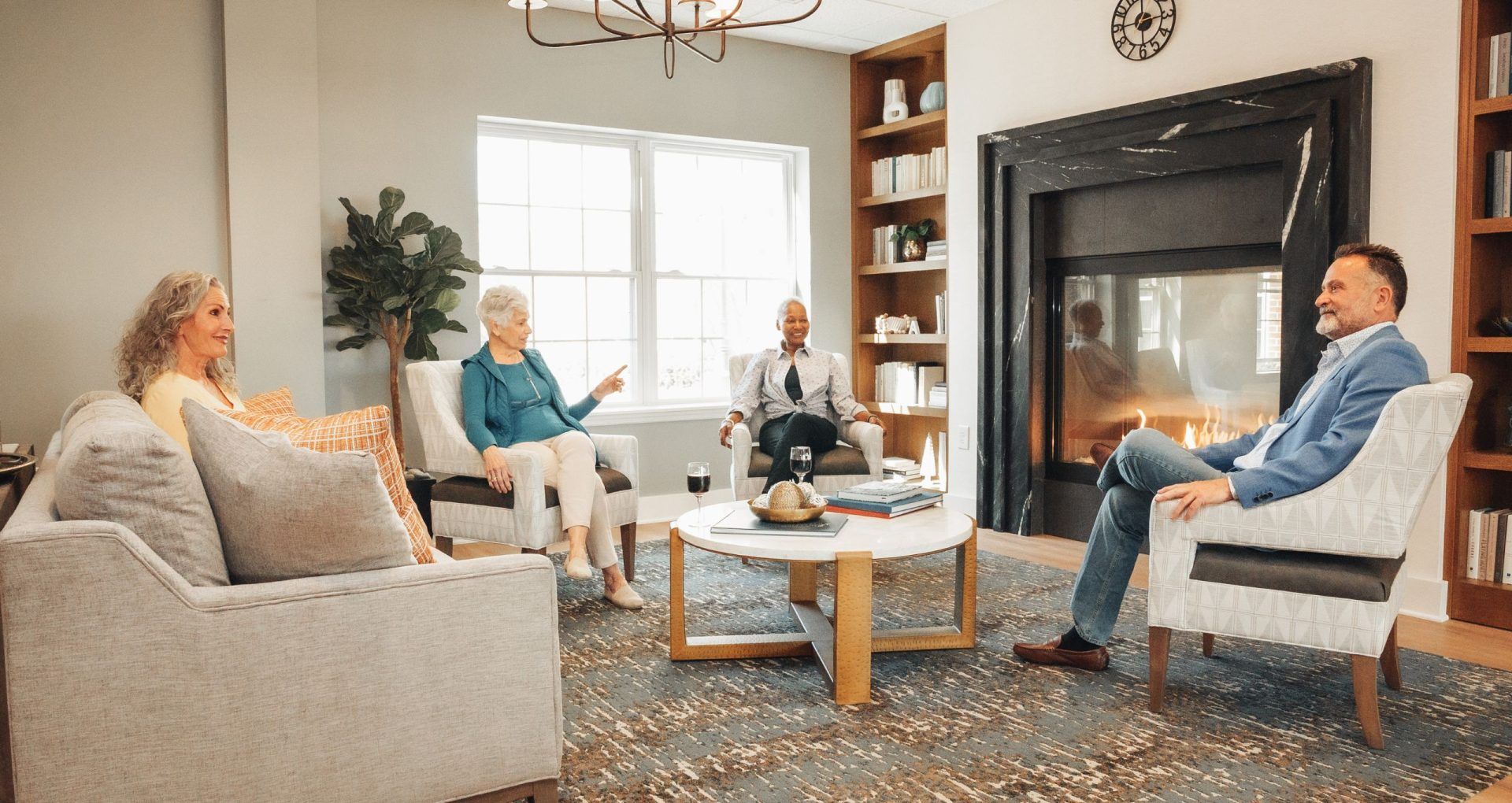
One thing people rarely talk about enough is how isolating life can quietly become over time. Friends move away. Schedules change. Social circles get smaller without anyone really planning for it. Independent living naturally changes that. You run into people while walking outside. Conversations happen over meals, during activities, or while sitting in shared spaces. Friendships form without effort because interaction becomes part of everyday life again. And no, it doesn’t mean constant group activities if that’s not your thing. There’s usually a balance:
- Clubs and hobby groups
- Fitness and wellness programs
- Community events
- Shared dining spaces
- Educational sessions and classes
Some days are social. Some stay quiet and relaxed. People choose what feels right for them. That flexibility is part of the appeal.
Spaces That Encourage Movement
The environment affects behavior more than most people realize. Easy access to walking paths, garden space, exercise areas, and other outdoor spaces assists people in remaining physically active naturally. Easy activities like taking an early morning walk, relaxing in an open space, or participating in any exercise class can be made part of a daily routine. These activities maintain good physical and mental health without any strenuous exercise. Sometimes staying active simply means staying engaged with the world around you.
Simpler Living Changes Everything
One of the biggest benefits of independent living is surprisingly simple: fewer things to worry about. That alone can change someone’s quality of life dramatically. Services often provided by communities include:
- Maintenance & repairs
- Housekeeping
- Transportation
- Dining options
- Security & emergency support
Residents have more time to just enjoy their day instead of managing tasks all the time. That mental freedom is hard to appreciate until you experience it firsthand.
Planning Ahead Without the Stress
Another reason many people choose independent living is peace of mind. Life changes. Health needs evolve. Having access to future support within the same community removes a major layer of uncertainty. Families feel reassured, too. No one wants to think about stressful transitions later on. Knowing there’s already a plan in place brings comfort to everyone involved.
More Predictable Finances
Owning a home often comes with unpredictable expenses. One month everything feels manageable. The next month, the roof needs work, or the heating system decides to stop cooperating. Independent living usually offers a more predictable structure. Most of the time monthly expenses come as a combination of housing, maintenance, services, and amenities. This can make it easier to understand and plan around expenses. For many people, that financial clarity removes a huge source of stress.
A Lifestyle Built Around Choice
This is what independent living really comes down to: choice. People decide how social they want to be. They choose how to spend their time. They keep their independence while gaining support where it actually helps. There’s freedom in that. Some residents stay busy every day. Others enjoy slower mornings, quiet afternoons, and relaxed routines. Neither approach is wrong. The lifestyle adapts to the person, not the other way around.
Rethinking Aging Altogether
Ideas around aging have started to shift. Later years are viewed as an opportunity to ‘get rid of obligations that do not bring value to life’ and to ‘focus on the meaningful‘ by more people now. That mindset beautifully supports independent living. It helps people stay active, connected, comfortable, and independent without carrying the full weight of homeownership and daily maintenance alone. And really, that’s the heart of it. This stage of life is not about losing independence. It’s about redefining it in a way that feels healthier, calmer, and far more enjoyable.


