Ever wondered why your perfectly manicured lawn suddenly feels outdated? Well, if you’re still mowing twice a week like it’s 2019, you might be missing out on some rather brilliant changes.
In 2026, the ‘shaved’ look is out, and working with our eccentric British weather is finally in. So, if you’re ready to stop fighting nature and start enjoying your weekends again, let’s dive into some trends you should give a chance.
1.Water-Efficient Irrigation
We all know the classic British summer consists of three days of scorching heat followed by a month of rain. But when the sun does actually appear, we often rush to our gardens with hoses like we’re putting out a forest fire.
Luckily, smart irrigation systems are no longer just for tech enthusiasts with too much money. These setups monitor soil moisture and local weather forecasts, only watering your grass when absolutely necessary.
Rain barrels are making a comeback, too. Your grandparents probably had a few, then everyone got fancy municipal water and forgot about them. Now that they’re back, you can collect runoff from your roof and store it for those dry spells that hit every July like clockwork.
At the end of the day, the savings do add up. Using less water keeps your bills down, and it’s actually better for your grass. When you stop pampering your lawn with constant surface watering, the roots are forced to grow deeper and stronger to find their own moisture.
2.The No-Mow Movement
Remember when a perfectly striped, freshly mown lawn was the peak of suburban achievement? Those days are fading faster than your enthusiasm for Sunday morning garden chores.
The No Mow May campaign started as a month-long wildlife-supporting experiment, but plenty of people discovered they preferred the results and never went back.
And honestly, can you blame them? Deeper root systems mean your lawn can survive dry spells without turning into a crispy brown disaster.
That extra height also creates a tiny jungle for insects, which brings in birds and gives you some free entertainment while you sit there with your morning tea.
If you’re worried about the space looking messy, you don’t have to let your whole garden go wild. You could opt for the full meadow look or simply mow a few paths through the longer sections.
3.Organic Fertilisers
Chemical lawn feeds aren’t getting the love they used to, and it’s not hard to see why.
Those bright blue granules that promise golf-course perfection come with more baggage than you’d expect. They wash into waterways, disrupt your soil’s natural balance, and leave you stuck in a cycle where your lawn only looks good if you keep feeding it more chemicals.
So, what’s the alternative? Organic options have properly stepped into the spotlight across the UK.
You’ll now find compost, well-rotted manure, and seaweed-based feeds sitting right there on the shelves at B&Q and Homebase, not tucked away as some niche, eco-only choice.
These natural fertilisers work with your soil instead of bulldozing through it. They feed the microorganisms that keep everything ticking along beneath the surface and nourish your grass.
Even residential lawn care companies have taken the hint. The days of turning up, spraying chemicals, and calling it a job well done are behind us. Now, you’ll find many services that offer soil testing and advice on how to build a healthier lawn from the ground up.
4.Climate-Resistant Grass Varieties
Most homeowners across the UK have long leaned on perennial ryegrass and a handful of familiar mixes. But unfortunately, they weren’t built for the weather we’re getting now.
Hotter summers, wetter winters, and those ‘what season is it today?’ weeks in between are starting to expose their limits.
Why fight a losing battle, though, when you can switch to varieties that withstand this kind of climate? If your lawn tends to give up halfway through summer, this is the upgrade you’ve been missing.
Drought-tolerant fescues are a solid place to start. They stay green during dry spells, don’t need constant mowing, and grow deeper roots that help them cope when conditions get rough.
You’ll also come across newer seed mixes that include microclover or other low-growing plants. That might sound like a strange addition at first, but these blends improve soil health and help your lawn retain moisture.
5.Smaller Lawns, Bigger Impact
If your entire garden is one big stretch of grass, you might be wondering why you’re spending so much time maintaining a monoculture that doesn’t do much. That’s exactly why a lot of homeowners are starting to consider alternatives.
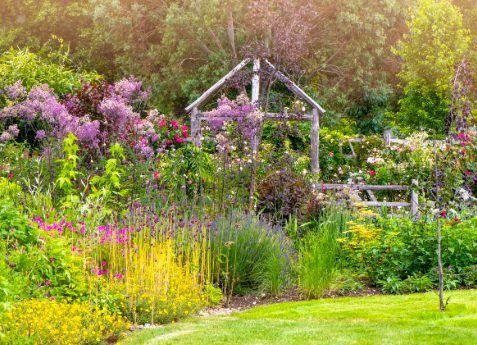
Instead of wall-to-wall grass, people are carving out sections and adding wildflower patches, vegetable beds, or native plant borders.
And no, you don’t have to completely get rid of your lawn. Having a smaller patch of grass for sitting out, kicking a ball around, or just stretching your legs still makes perfect sense.
To strike a balance, you can have a compact lawn in the middle with pollinator-friendly borders around it and maybe a herb garden off to one side if you’re feeling ambitious.
Overall, if your lawn is eating up your weekends, this is your permission to scale it back. Keep the bit you use and give the rest of your garden a better purpose. You’ll spend less time maintaining it and a lot more time enjoying your space.
6.Natural Pest Control
If you’ve ever gone to war with lawn pests, you’ll know how tempting it is to reach for the strongest product on the shelf and hope for the best.
However, it’s a bit like using a sledgehammer to crack a nut. You might get the bug you’re after, but you’ll probably wipe out every helpful insect in the neighbourhood while you’re at it.
So, instead of trying to eliminate everything that moves, let your garden do some of the work for you. When you’ve got the right mix of plants and wildlife, pests don’t get the chance to take over in the first place.
For example, if you encourage birds into your garden through feeders, water, or native plants, they’ll happily take care of a good chunk of insects for you.
Then, there are hedgehogs, which are far more useful than they look. They’ll deal with slugs, beetles, and anything else crawling around your lawn at night. To get them on your side, leave a few log piles or slightly untidy corners.
And if you’re dealing with chafer grubs or leatherjackets, nematodes are your best bet in this case. Just water those microscopic organisms onto your lawn, and they’ll work their magic without chemicals or collateral damage.
Conclusion
So, there you have it: six trends that are making lawns across the UK more sustainable, more interesting, and far easier to manage.
The best part is that you don’t need to transform your entire garden overnight. Just start with one change that appeals to you and see how it goes. In a few months, you’ll wonder why you spent so many years obsessing over perfectly striped grass.