

Windows are one of those parts of a build that can seem fairly straightforward until you’re actually in the middle of choosing them. At first, it sounds simple enough: measure the openings, pick the frames, choose the glass and get everything delivered on time. But once you start dealing with energy ratings, frame finishes, bushfire requirements, acoustic performance, lead times, installation details and the way the windows need to work with the rest of the design, it becomes pretty clear that “just supplying windows” isn’t really enough.
That’s why it matters to work with a supplier who Understands a windows project from more than one angle. The best outcome usually comes from someone who can see how the windows fit into the broader build, not just as individual products on a quote, but as part of the home’s comfort, performance, appearance and construction timeline.
Windows Affect More Than the View
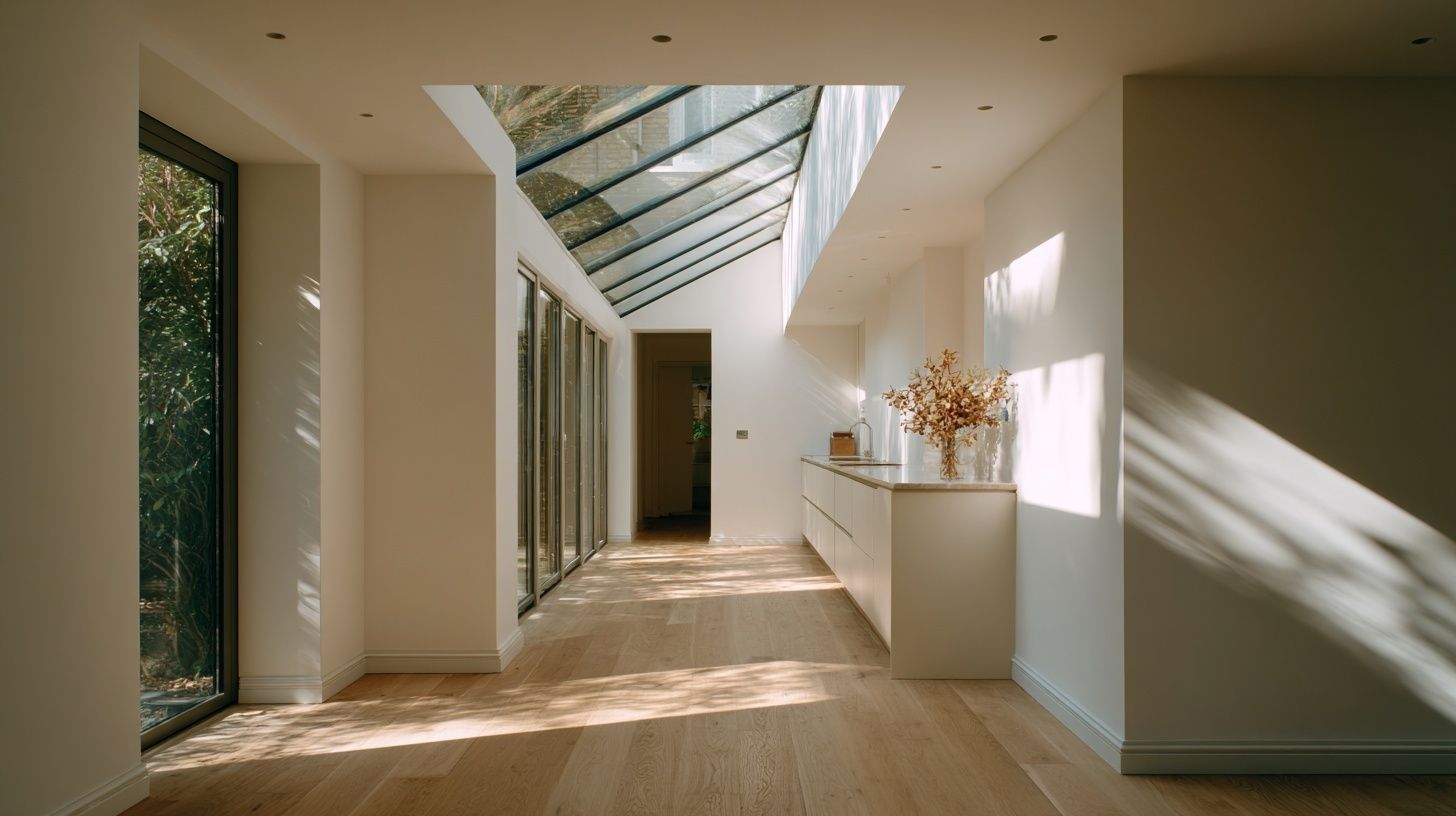
A well-placed window can change the entire feel of a room. It can bring in morning light, frame a garden, make a hallway feel less enclosed or turn a living area into somewhere people naturally want to gather. On the other hand, a poorly chosen window can create glare, overheating, privacy problems or an awkward relationship between the inside of the home and what’s happening outside.
That’s where a more thoughtful supplier can be genuinely useful. They’re not there to redesign the whole project, but they should understand enough about orientation, glazing options, ventilation, frame styles and practical usage to help avoid choices that look fine on paper but don’t work well once the home is lived in. It’s one thing to select a beautiful window, and another thing entirely to choose the right window for that particular room, climate and purpose.
Timing Can Make or Break the Experience
Anyone who’s been involved in building or renovating knows that timing has a domino effect. If windows are delayed, measured incorrectly or delivered without the right information behind them, other trades can be held up, schedules can shift and the stress level on site can rise quickly. It’s not always dramatic, but it’s almost always inconvenient, and those little delays can become expensive if they start stacking up.
This is why communication is such a big part of the supplier relationship. Clear documentation, realistic lead times and a proper understanding of the build sequence can make the difference between a smooth process and a frustrating one. A good supplier should be asking the right questions early, not scrambling to solve avoidable problems once the project is already under pressure.
Style Still Matters, but It’s Only One Piece
Of course, windows need to look right. Frame colour, proportions, opening styles and hardware can all influence the finished appearance of a home, especially when the architecture is clean and every detail is exposed. But the most attractive option isn’t always the best one if it creates issues with cleaning, ventilation, thermal comfort or everyday use.
A Better Supplier Feels Like a Project Partner
The right window supplier brings more to the table than products and pricing. They help make decisions clearer, keep details aligned and reduce the chance of unpleasant surprises later in the build. When windows are selected with the whole project in mind, the result feels better from every direction: the house looks more resolved, the rooms are more comfortable, and the build has one less moving part left to chance.
