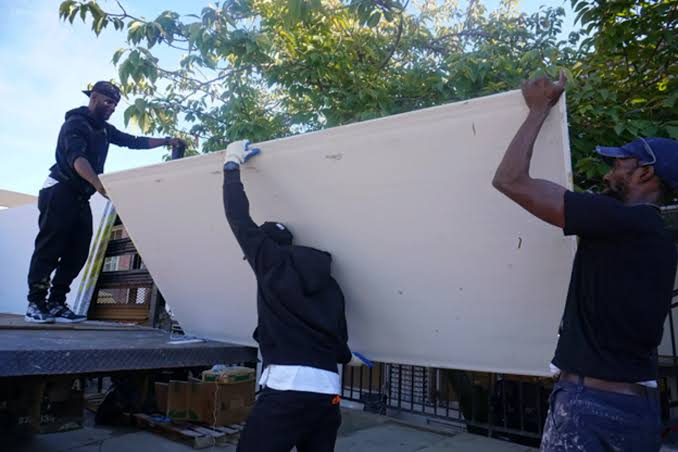
Smart property owners understand a simple truth: value isn’t created by accident. It’s the product of deliberate decisions, sound investments, and choosing the right people to execute the work. And while glossy kitchens and landscaped yards tend to steal the spotlight, there’s a quieter, more foundational element that shapes how a property looks, feels, and ultimately appraises: the walls themselves.
Drywall is the canvas of your entire interior. Every paint color, every piece of trim, every first impression a buyer forms when they walk through the door rests on the quality of that surface. Get it right, and your property reads as polished, cared for, and worth the asking price. Get it wrong, and even the most expensive finishes can’t disguise wavy seams, visible patches, or cracks that whisper “deferred maintenance.” If you’re serious about property value improvement, choosing a reputable drywall contractor isn’t a minor line item. It’s a strategic move.
Why Drywall Quality Moves the Needle on Value
Think about how people actually evaluate a home or commercial space. They don’t bring a tape measure to check stud spacing. They scan the room. Smooth, seamless walls signal craftsmanship and care, while flawed surfaces trigger doubt. That instinctive reaction translates directly into perceived value, and perception drives offers.
Quality drywall work pays off in three concrete ways. First, it elevates aesthetics, giving every room a clean, professional finish that photographs well and shows beautifully. Second, it protects your investment, because properly installed drywall resists cracking, moisture damage, and the slow degradation that drags down property condition reports. Third, it strengthens the bones of the space, improving insulation, soundproofing, and fire resistance, all features that appraisers and buyers genuinely care about.
The reverse is equally true. Poor drywall work is one of the fastest ways to erode value. Botched seams, uneven texture, and shoddy repairs don’t just look bad; they raise red flags during inspections and give buyers leverage to negotiate down. In a competitive market, that’s money left on the table. The lesson is clear: the contractor you hire is as important as the materials they install.
What to Look For in a Reputable Drywall Contractor
Not all contractors are created equal, and the difference between average and excellent often hides in the details. Before you hand over a deposit, evaluate any candidate against a few non-negotiable standards.
Proper licensing and insurance. This is the baseline, not a bonus. A legitimate contractor carries liability insurance and workers’ compensation, protecting you from financial exposure if something goes wrong on your property. Always verify, never assume.
A verifiable track record. Experience matters, but so does proof. Look for a portfolio of completed projects, established business history, and a physical presence you can confirm. A contractor who has built a reputation over years has every incentive to protect it.
Genuine reviews and references. Third-party platforms, the Better Business Bureau, and direct customer references reveal patterns that marketing copy can’t hide. Consistency in positive feedback, especially around reliability and cleanup, tells you what working with them is actually like.
Transparent, detailed estimates. Professionals put it in writing. A clear scope of work, itemized costs, and an honest timeline reflect a company that respects your investment and has nothing to conceal.
Quality of communication. How a contractor handles your first inquiry often predicts how they’ll handle your project. Responsiveness, clarity, and a willingness to answer questions are early signals of a customer-centric operation.
Common Mistakes That Cost Property Owners
Even savvy owners stumble when hiring drywall help, usually by prioritizing the wrong things. The most expensive mistake is chasing the lowest bid. A rock-bottom price almost always means corners cut, whether in materials, labor, or finishing time. You end up paying twice: once for the original job and again for the redo.
Another frequent error is skipping the verification step. Failing to confirm licensing, insurance, and references can leave you liable and disappointed. Equally damaging is accepting a vague handshake agreement instead of a written contract, which removes your recourse if expectations aren’t met.
Owners also underestimate the importance of finishing detail. Hanging drywall is the easy part; taping, mudding, sanding, and texturing to a flawless finish is where true skill shows. A contractor who rushes the finishing stage produces walls that look acceptable on day one and reveal their flaws under the first harsh afternoon light. Finally, many owners forget to ask about cleanup and project management, then find themselves living amid dust and debris long after the crew has gone. The right contractor manages the entire experience, not just the installation.
Make the Decision That Protects Your Investment
Property value improvement rewards owners who think strategically and act decisively. Drywall may sit quietly in the background, but it shapes the entire impression your space makes, and the contractor you choose determines whether that impression works for you or against you. By insisting on licensing, proven experience, real reviews, and meticulous finishing, you position your property to perform at its best, whether you plan to sell, rent, or simply enjoy a space you’re proud of.
If you’re weighing your options, it’s worth looking at established local specialists such as A-Pro-Finish Drywall to see how an experienced team approaches the work. The right wall is the foundation of a more valuable property, and the right contractor is how you build it.