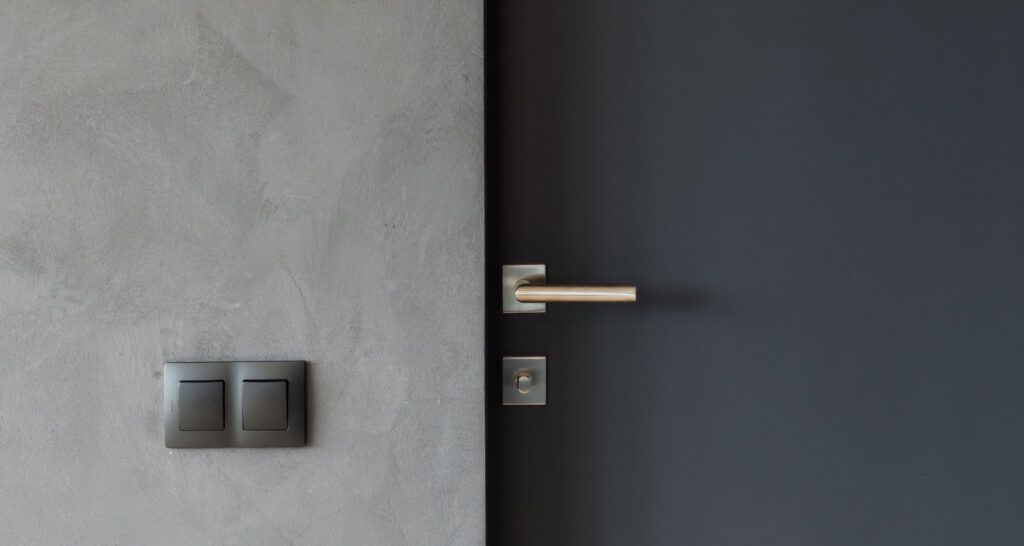
Metal finishes are easy to treat like a final detail, the kind of thing you choose once the big decisions are out of the way and everyone’s already a little tired of talking about tapware, handles, hinges and lighting. But the finish you choose can quietly change the entire feel of a room, because metal sits at the points where people actually interact with a home: opening doors, turning taps, switching on lights, pulling out drawers and moving through everyday routines.
That’s why selecting the right metal finish is less about following a rule and more about understanding the mood you want the space to carry. Brass can feel warm and lived-in, chrome can look crisp and clean, matte black can create contrast, and aged or brushed finishes can soften a room that might otherwise feel too polished. None of them are automatically right or wrong, but they do say different things once they’re repeated across a home.
Warm, Cool or Somewhere in Between
One of the easiest ways to think about metal finishes is by temperature. Warmer finishes, like brass, bronze and copper tones, tend to bring a softer, more inviting quality to a room, especially when they’re paired with natural stone, timber, creamy whites or textured surfaces. They can make a kitchen or bathroom feel layered rather than clinical, which is probably why they’ve become so popular in homes that want a little character without feeling old-fashioned.
Cooler finishes, such as chrome, nickel and stainless steel, often feel cleaner and more contemporary. They work beautifully in spaces where the design is sharp, bright and simple, and they can be especially practical when you want the metal details to blend in rather than become the feature. The danger, if there is one, is that too many cool surfaces together can sometimes make a room feel a bit hard, so it’s worth thinking about what else is happening around them.
Mixing Metals Can Work, but It Needs Intention
There’s no rule that every metal finish in a house has to match, and in many homes, a little variation makes the design feel more natural. The trick is to make the mix look deliberate. If the kitchen pendant lights are brass, the cabinet handles are black and the tapware is chrome, it can work beautifully if those choices are balanced by other colours and materials in the room. If they’re chosen randomly, though, the space can start to feel unsettled.
A helpful approach is to choose one main finish and one supporting finish, then repeat each enough that the combination feels planned. For example, brass handles and wall lights might sit comfortably beside black door hardware, while brushed nickel tapware might work with stainless appliances and softer decorative accents elsewhere.
Think About Wear, Not Just Appearance
Some finishes are designed to age and develop character, while others are chosen because they stay looking consistent with minimal effort. That matters in busy homes, especially in kitchens, bathrooms and entryways where handles and fixtures are touched constantly. A finish that looks beautiful in a showroom may need more maintenance than you expect, so it’s worth being honest about how much upkeep you’re willing to live with.
The Small Details Add Up
When metal finishes are chosen well, they don’t feel like separate decisions scattered through the home. They create a quiet thread from room to room, adding warmth, contrast or polish in a way that supports the overall style. It’s a small design choice on paper, but once you’re living with it every day, the right finish can make the whole home feel more considered.