

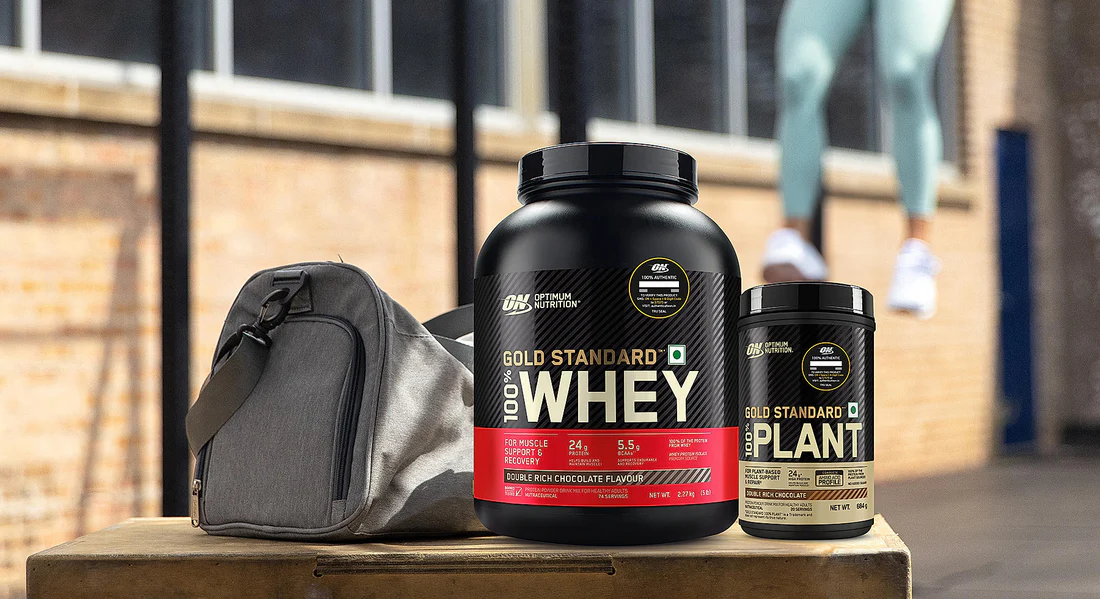
Store your whey protein in a cool, dry place away from direct sunlight, ideally below 25°C. Always keep the lid tightly sealed and avoid storing in bathrooms or kitchens where heat and steam build up. In Pakistan’s climate, these simple steps are the difference between a tub that lasts and one that clumps and spoils early.
Pakistan’s summers are brutal. Karachi sees humidity levels that can suffocate, Lahore bakes under intense dry heat, and even the interior cities like Multan and Faisalabad are no strangers to temperatures crossing 45°C. If you’ve ever opened a tub of whey protein only to find solid clumps, a strange off-smell, or discoloration, there’s a good chance the storage conditions were to blame. When you factor in how much whey protein price in Pakistan has become a real consideration for gym-goers, losing product to bad storage hurts twice as much. This guide breaks down exactly why climate matters, and what you can do to protect your investment.
Why Pakistan’s Climate Is Particularly Hard on Whey Protein
Whey protein is a dairy-derived product. Like all dairy, it is sensitive to moisture and heat. What makes storage such a critical issue in Pakistan is not just the heat alone, it is the combination of high temperature, unpredictable humidity, and inconsistent power supply that leads to frequent temperature fluctuations. These swings are particularly damaging.
- Heat above 30°C can begin to degrade the protein structure, reducing its biological value over time.
- Humidity above 60% causes moisture to enter the container, triggering clumping and creating conditions where mold and bacteria can thrive.
- Temperature fluctuations caused by load-shedding and switching between AC and non-AC environments cause condensation to form inside the tub, even when the lid is on.
- Direct sunlight accelerates oxidation of fats and flavor compounds, making the protein taste stale faster than the expiry date suggests.
Understanding these four factors gives you the foundation to store your supplement correctly. It is not about being overly careful. It is about being smart with a product that you are paying good money for.
The Right Storage Spot in a Pakistani Home
Finding the right storage spot sounds obvious but most people get it wrong. The kitchen is tempting because that’s where you mix your shakes, but the steam from cooking and boiling water creates a humid microclimate that is one of the worst environments for protein powder. The bathroom is even worse. Here is how to think about it:
- Store in a bedroom cupboard or wardrobe away from external walls that absorb outdoor heat.
- A shelf in an air-conditioned room is ideal, but make sure the tub is not placed directly under the AC vent where condensation can drip.
- If you do not have consistent AC, a dark, tiled storage room or pantry shelf is a better choice than a kitchen counter.
- Never leave a tub in your car. The interior of a parked car in Karachi or Lahore in summer can reach temperatures above 60°C within minutes.
How to Seal Your Tub Properly Between Uses
The biggest mistake gym-goers make is being careless with the lid after scooping out a serving. Every extra second the tub sits open allows humid air to enter. Here is a practical routine that makes a real difference in the quality and shelf life of your product.
After each use, wipe the inner rim of the lid with a clean dry cloth to remove any powder residue that may prevent a proper seal. Press the lid down firmly around the entire circumference rather than just pushing it in the center. Some tubs come with inner foil seals that users discard entirely on first use. Keep that foil seal or replace it with a piece of cling film pressed flat over the opening before snapping the lid shut. This double-seal approach reduces moisture exposure significantly.
Silica Gel Packets: A Small Tool That Makes a Big Difference
If you live in a particularly humid city like Karachi or Hyderabad, dropping one or two food-grade silica gel packets inside your protein tub is one of the most cost-effective storage upgrades you can make. These tiny packets absorb excess moisture from the air inside the tub, keeping the powder free-flowing and preventing clumping. The same packets that come inside shoe boxes or electronic packaging work perfectly. Just make sure they are labeled as non-toxic or food-safe and replace them every 30 to 45 days.
Does Refrigeration Help
This is one of the most common questions and the answer is: with caution. Refrigeration keeps the temperature stable and low, which is great for the protein itself. However, the problem arises when you take the tub out of the fridge and place it in a warm room. The cold surface of the tub causes condensation to form on the outside and eventually seep through the lid. If you use refrigeration, keep the tub there permanently and scoop your serving without leaving it out for more than a minute or two.
- Do not move the tub in and out of the fridge repeatedly throughout the day.
- Avoid storing near vegetables or fruits that release ethylene and moisture.
- Use a dedicated sealed shelf in the fridge if possible to avoid absorbing food odors.
For those buying from a trusted online supplement stores in Pakistan, products are typically dispatched in sealed packaging designed to protect against temperature exposure during transit. However, once it reaches your home, the responsibility for proper storage falls entirely on you.
Checking for Spoilage: Signs Your Protein Has Gone Bad
Protein powder does not spoil in the same way that milk goes sour overnight, but it does degrade in quality well before the printed expiry date if stored incorrectly. Knowing the signs of a compromised product helps you avoid consuming something that may not just taste bad but also put your gut health at risk.
- Hard clumping: Some soft clumping is normal in humid climates and the powder is still usable if it breaks apart easily. Rock-hard, cement-like clumps that do not dissolve are a sign of serious moisture damage.
- Off smell: Fresh whey protein has a mild dairy or flavored scent. A sour, rancid, or musty smell means the fats have oxidized or bacterial growth has begun.
- Color change: Any yellowing, darkening, or visible specks of a different color than the powder itself is a red flag.
- Unusual taste: If it tastes stale, bitter, or sour even after mixing properly with cold water, do not continue using it.
How Storage Affects the Value of Your Whey Protein
In Pakistan, where whey protein price is already a significant investment for most gym-goers, losing even a quarter of a tub to bad storage is a real financial loss. A 5lb tub that lasts you two months with proper storage might degrade in quality within three to four weeks if left in a hot, unventilated room. This directly affects your results because degraded protein does not deliver the same amino acid profile that the label promises.
This is especially true for users taking vitamin supplements in Pakistan alongside their protein. Heat and moisture affect micronutrients even more rapidly than protein, so all your supplements deserve the same careful storage treatment.
Buying Frequency and Batch Size in Pakistan’s Climate
A practical tip that is often overlooked: resist the urge to buy in bulk just because the deal looks attractive. While larger tubs often offer better value per gram, buying a 10lb tub when you only use it over four to five months in a hot climate means the last third of the tub is almost certainly degraded, regardless of how carefully you store it. A smarter approach for most Pakistani buyers is to purchase a 5lb tub at a time, or even a 2lb tub if you are in the early stages of supplementing. This way, you finish it before quality has a chance to decline.
- Aim to finish an opened tub within 60 to 90 days.
- If buying a larger size, transfer a week’s worth of servings into a smaller, airtight container to reduce how often you open the main tub.
- Always check the manufacturing date and expiry before purchasing, not just the best-before year.
What to Look for When Buying Whey Protein in Pakistan
Proper storage starts before you even open the tub. When purchasing, check that the outer shrink wrap is intact, the lid is properly sealed, and the foil seal underneath is unbroken. Products bought from a verified supplement stores in Karachi or through a trusted online channel give you far better assurance of a properly handled product than purchases from informal sources. Storage conditions during transit and retail handling matter just as much as what you do at home.
For those looking at options like Nitro Tech protein or weight gainers in Pakistan, the same storage principles apply. Mass gainers, in particular, have a higher carbohydrate content which makes them even more susceptible to moisture and fermentation if not stored properly.
Pre-Workout Supplements and Storage: A Quick Note
If you also use pre workout supplements in Pakistan, you will notice they are even more vulnerable to heat and moisture than whey protein. The stimulants and hygroscopic ingredients in pre-workouts can clump into a solid brick after just one week of poor storage. The same rules apply but with even stricter attention to sealing and keeping them away from any heat source.
Frequently Asked Questions
Can I store whey protein in a hot room if I use it every day?
Frequent use does not offset the damage caused by improper storage. Even if you open the tub daily, the protein is degrading between uses when exposed to high heat. Consistent exposure above 30°C accelerates oxidation and reduces the effectiveness of the amino acids. If you do not have a cool storage option, keep your tub sealed in a zip-lock bag inside a cooler box during peak summer months.
How long does an opened tub of whey protein last in Pakistan’s climate?
With proper storage in a cool, dry, sealed environment, an opened tub remains in good condition for up to 90 days. In poorly ventilated, humid, or hot conditions, quality can begin to decline in as little as 3 to 4 weeks. The printed expiry date assumes optimal storage conditions, which are often not realistic in Pakistani summer heat without deliberate effort.
Is it safe to use protein powder that has clumped due to humidity?
If the clumps break apart easily, mix properly, smell normal, and look consistent in color, the powder is likely still safe to use. However, if the clumps are rock-hard, the smell is off, or there is any visible discoloration, it is safer to discard it. Consuming degraded protein will not give you the nutritional value you paid for and may cause digestive discomfort.
Does putting protein powder in the freezer help preserve it longer?
Freezing is generally not recommended. While very low temperatures do slow degradation, the constant temperature change every time you take the tub in and out of the freezer creates significant condensation inside the lid and on the powder surface. This moisture exposure can actually accelerate spoilage rather than prevent it. A consistently cool, dark cabinet is preferable to freezing.
What is the best container to store whey protein in Pakistan
The original manufacturer’s tub is designed for storage and usually provides good protection if the lid is in good condition. If the lid has loosened or been damaged, transfer the powder to a wide-mouth airtight glass or BPA-free plastic container with a rubber-sealed lid. Avoid metal containers, which can react with moisture and affect flavor over time.
