



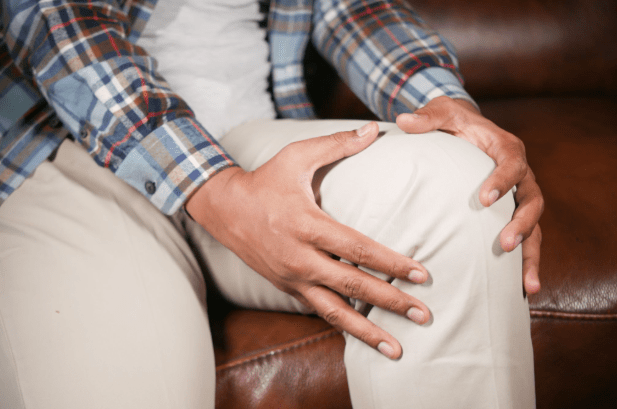
Chronic pain has a way of quietly reshaping a person’s life. A stiff knee turns into skipped morning walks. A sore shoulder makes it harder to lift a grandchild or carry groceries. For years, the go-to answers have been the same two choices: mask the pain with medication, or consider surgery. But a growing number of Sacramento residents are discovering a third option that works with the body instead of around it PRP (Platelet-Rich Plasma) therapy.
What Makes PRP Different
Unlike painkillers that simply dull the sensation of pain, or steroid injections that reduce inflammation temporarily, PRP therapy is regenerative. It uses a concentrated sample of a person’s own platelets drawn from their blood to stimulate the body’s natural repair process at the exact site of injury or degeneration.
Platelets are best known for their role in clotting blood, but they also carry growth factors that trigger tissue repair, reduce inflammation, and encourage healing in tendons, ligaments, joints, and muscles. When this concentrated plasma is injected directly into a painful area, it essentially gives the body’s own healing mechanism a head start.
Why Sacramento Residents Are Turning to PRP
Pain doesn’t discriminate by age or lifestyle. Active adults dealing with old sports injuries, office workers with neck and back strain from long hours at a desk, and older residents managing joint arthritis are all finding relief through PRP. A few reasons this treatment has grown so popular locally:
- It uses the patient’s own biology, so there’s minimal risk of an adverse reaction
- Sessions are quick, minimally invasive, and require little to no downtime
- It targets the root cause of pain rather than covering up symptoms
- It can be used across a wide range of conditions, from knee arthritis to carpal tunnel to rotator cuff injuries
Conditions PRP Can Help With
PRP has shown strong results for chronic tendon and ligament issues, as well as several muscle-related conditions. Common applications include knee arthritis and ligament injuries, shoulder arthritis and rotator cuff injuries, chronic back and spinal pain, carpal tunnel and wrist injuries, and pelvic pain conditions. Because the treatment is so adaptable, providers typically start with a detailed evaluation of a patient’s movement patterns and pain history before designing a personalized injection plan.
What to Expect From the Process
The process itself is fairly straightforward. A small blood sample is drawn and spun in a centrifuge to separate and concentrate the platelets. That platelet-rich plasma is then injected directly into the injured or painful area under precise guidance. Most people describe mild soreness for a day or two afterward, similar to the feeling after a tough workout, but they’re typically back to normal activities almost immediately.
Results build gradually rather than overnight. Many patients start noticing improvements within a few weeks as inflammation settles and tissue repair progresses, with benefits continuing to build over the following months. This gradual, biological healing process is part of what makes PRP appealing to people who are wary of quick fixes that don’t last.
Finding the Right Provider
Because PRP therapy depends heavily on technique — how the blood is processed, the concentration of platelets achieved, and the precision of the injection itself — choosing an experienced provider matters. Patients considering PRP pain relief therapy in Sacramento should look for a clinic with a dedicated pain management physician, a thorough evaluation process, and a track record of treating the specific condition they’re dealing with.
Aesthetic Envy, with locations across the greater Sacramento area including Folsom and Roseville, offers this kind of specialized, personalized care under the direction of a physician trained in regenerative and restorative therapies. Their approach focuses on identifying the actual source of pain rather than applying a one-size-fits-all treatment, which is often the difference between temporary relief and lasting improvement.
The Bottom Line
For anyone tired of choosing between medication that only masks symptoms and surgery that comes with real risk and recovery time, PRP injections offer a middle path grounded in the body’s own healing ability. It won’t work overnight, and it isn’t the right fit for every condition but for chronic joint pain, tendon injuries, and inflammation that hasn’t responded to other treatments, it’s worth a conversation with a qualified provider.
If you’re in the Sacramento area and have been living with pain that hasn’t improved with rest, physical therapy, or medication, it may be time to explore whether PRP therapy could help you move and live more freely again.


