



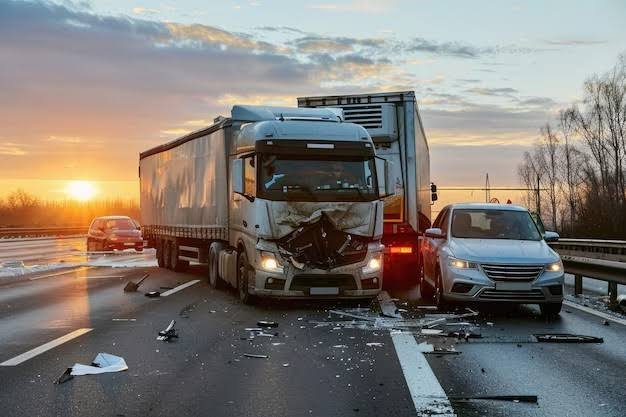
Fort Myers sees a steady flow of commercial traffic moving through Southwest Florida, connecting local businesses, distribution routes, and major roadways. With large trucks sharing those roads with passenger vehicles, a serious collision can leave victims facing injuries and financial losses that extend far beyond the initial emergency. Determining who should be held responsible may become complicated when several businesses or individuals contributed to the circumstances surrounding a crash. The driver may be only one part of a larger chain involving employers, cargo handlers, maintenance providers, manufacturers, or other responsible parties.
Understanding those connections requires careful investigation rather than assuming liability begins and ends behind the wheel. For people dealing with the aftermath of a truck collision, a Fort Myers truck accident lawyer can help clarify available options and ensure that potentially significant sources of recovery are not overlooked.
Early Legal Review
Early legal review should begin before trucks are repaired, logs are overwritten, or cargo records disappear. A truck accident lawyer can compare driver files, dispatch messages, inspection records, medical charts, and insurer details. That review helps show who made each decision, which safety rule was violated, and what coverage may apply to the injury.
The Driver
The driver remains the first source of proof in many cases. Speeding, distraction, fatigue, impaired operation, unsafe turns, and poor mirror checks can each explain a collision. Phone data, dash cameras, witness accounts, fuel receipts, and delivery timelines may show what occurred before impact. If traffic laws or safety policies were ignored, those facts can support a direct negligence claim.
The Carrier
A trucking company may share blame even when the driver made the final error. Carriers must screen applicants, train crews, inspect vehicles, supervise routes, and avoid pressure that rewards unsafe speed. Hiring files, complaint records, maintenance logs, and dispatch notes can reveal warning signs. If an employee acted within the scope of their job duties, the company may be liable.
Cargo Parties
Freight handling can create danger long before a truck enters traffic. Overloaded trailers, uneven weight, loose pallets, or unsecured liquid loads can affect braking, steering, and rollover risk. Dock records, scale tickets, bills of lading, photos, and warehouse video may identify who loaded the shipment. Those materials help connect poor cargo practices to the crash.
Repair Providers
Maintenance errors can turn normal road use into a serious hazard. Brake service, tire installation, steering work, lighting checks, and coupling inspections require competent care. Invoices, technician notes, parts orders, and inspection forms may show whether a defect was missed. A shop that cleared an unsafe vehicle may be responsible for harm tied to that failure.
Product Makers
Some crashes involve a defective component rather than poor operation alone. Tires, brakes, underride guards, steering systems, hitches, or electronic controls may fail due to design errors, factory defects, or inadequate warnings. Engineers may compare the failed part with safer alternatives and testing records. Recall notices, warranty claims, and prior incident reports can strengthen product liability claims.
Public Entities
Road conditions sometimes contribute to a severe truck crash. Missing signs, broken signals, faded striping, blocked sightlines, unsafe shoulders, or confusing work zones can increase the risk of danger. Claims involving government agencies often carry short notice periods. Prompt action matters because crews may repair hazards, move equipment, or reopen lanes before key proof is documented.
Proving Losses
Damages must be tied to records, medical judgment, and daily effects. Hospital bills show past treatment, while physicians can explain future care, permanent restrictions, nerve pain, or reduced mobility. Payroll records document missed income. Vocational reports may address lost earning capacity. Family observations, therapy notes, and personal journals can explain how injuries changed ordinary routines.
Insurance Layers
Truck claims often involve more than one insurance policy. Coverage may be provided by the driver, carrier, trailer owner, broker, shipper, repair shop, or product seller. Limits, exclusions, and priority rules can affect settlement value. Early policy review helps prevent a low recovery when several parties helped cause the same crash.
Fault Allocation
Florida fault rules can reduce recovery if a victim receives part of the blame. Defendants may argue the injured person sped, followed too closely, braked late, or missed a visible hazard. Physical evidence can answer those claims. Vehicle damage, road markings, event data, camera footage, and reconstruction opinions help ensure responsibility is tied to the conduct that caused the injury.
Conclusion
Pursuing damages after a truck crash requires a wider lens than the driver alone. Liability may reach those who hired, trained, routed, loaded, repaired, insured, or manufactured parts for the vehicle. Each party may hold evidence that changes the value of a claim. Fast preservation, clear medical records, and careful insurance review give victims the best chance to recover full, supported damages.


