

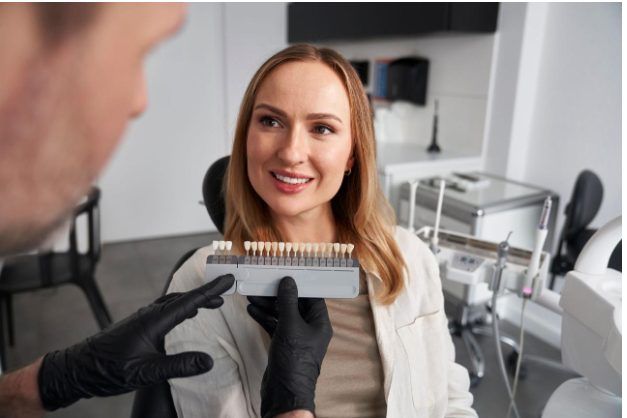
The cosmetic dentistry industry has experienced significant growth over the past decade as consumers place increasing importance on appearance, confidence, and overall personal wellness. Advances in dental materials, treatment techniques, and patient expectations have contributed to the rising popularity of minimally invasive cosmetic procedures. Among these innovations, composite bonding has emerged as one of the most sought-after treatments, helping reshape the modern cosmetic dentistry market through its accessibility, versatility, and aesthetic appeal.
Changing Consumer Expectations in Cosmetic Dentistry
Today’s patients are more informed than ever before. Social media, digital communication, and increased awareness of aesthetic treatments have influenced how consumers view dental appearance and smile enhancement.
Many individuals now seek cosmetic solutions that can improve the appearance of chipped, uneven, discolored, or worn teeth without requiring extensive dental procedures. This shift in expectations has encouraged dental practices to expand their cosmetic treatment offerings and adopt more patient-friendly solutions.
Why Composite Bonding Continues to Gain Popularity
Composite bonding has become increasingly popular because it offers a relatively conservative approach to cosmetic enhancement. The procedure allows dentists to reshape and improve the appearance of teeth using tooth-colored composite materials that blend naturally with existing enamel.
The growing demand for composite bonding London reflects broader consumer interest in cosmetic dental procedures that provide aesthetic improvements while preserving as much natural tooth structure as possible. Patients are increasingly attracted to treatments that align with modern preferences for minimally invasive care.
The Business Impact on Dental Practices

As patient demand for cosmetic procedures grows, dental practices are increasingly incorporating aesthetic services into their business strategies. Cosmetic treatments often create opportunities for practices to diversify service offerings while meeting evolving consumer expectations.
Many clinics offering composite bonding services in London have responded by investing in advanced training, digital imaging technologies, and patient consultation processes designed to enhance treatment planning and patient satisfaction. These investments help practices remain competitive within a rapidly evolving cosmetic dentistry market.
Technology Driving Market Growth
Technological innovation continues to play a major role in the development of cosmetic dentistry. Digital smile design, advanced imaging systems, and improved composite materials allow practitioners to achieve increasingly natural-looking results while improving treatment efficiency.
These advancements have contributed to greater patient confidence in cosmetic procedures and expanded the market by making aesthetic dental treatments more accessible to a broader audience.
Consumer Wellness Trends and Smile Aesthetics
The growing interest in cosmetic dentistry is closely connected to broader wellness trends. Consumers increasingly view oral health and smile aesthetics as part of their overall well-being and personal confidence.
This shift has helped position cosmetic dental treatments within the wider health and wellness sector, where appearance, self-care, and confidence are often interconnected. As a result, demand for aesthetic dental procedures continues to grow across a wide range of demographic groups.
The Future of Cosmetic Dentistry
The cosmetic dentistry market is expected to continue evolving as consumer expectations, technology, and treatment options advance. Patients increasingly seek personalized solutions that deliver natural-looking results while minimizing disruption to their daily lives.
Composite bonding is likely to remain a significant part of this growth due to its versatility, accessibility, and ability to address a variety of cosmetic concerns. As dental practices continue adapting to changing market demands, treatments that combine aesthetics, efficiency, and patient-centered care will remain at the forefront of modern cosmetic dentistry.
