

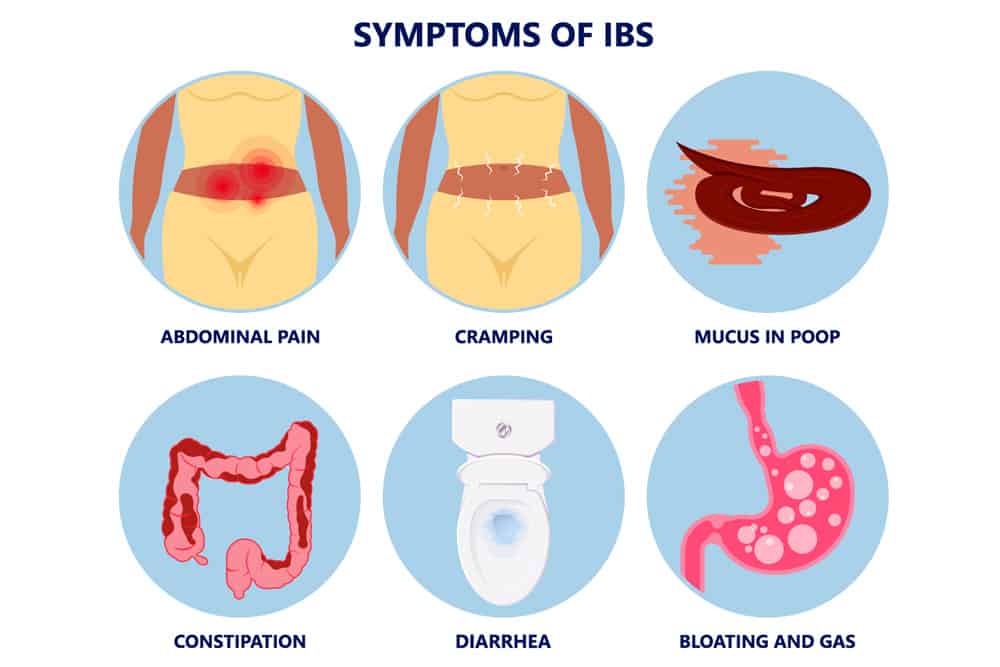
Nonspecific gastrointestinal symptoms present a frequent and sometimes frustrating challenge for clinical coders, clinicians, and revenue cycle teams. Accurate coding affects quality metrics, reimbursement, and continuity of care, but when a patient arrives with vague complaints such as diffuse abdominal discomfort, nausea, bloating, or intermittent cramping, coders must balance the need for specificity with the constraints of available documentation. This article outlines pragmatic strategies for improving coding accuracy for nonspecific GI complaints while maintaining compliance with ICD-10 guidance and clinical documentation best practices.
Understand the Difference Between Symptoms and Diagnoses
A fundamental principle is to code what is documented. Symptoms are captured with symptom codes, while confirmed conditions or etiologies require diagnosis codes. If the clinician documents only a presenting symptom without an identified cause, assign the appropriate symptom code rather than assuming a definitive diagnosis. Symptom codes influence case-mix and should be used judiciously. For example, general abdominal discomfort without localization or a listed etiology typically remains a symptom code until further evaluation clarifies the cause. Coders should be familiar with the hierarchy of symptom codes and the instances when symptom coding is acceptable versus when a diagnostic code is required.
Use Specific Documentation to Avoid Ambiguity
Documentation quality drives coding accuracy. Encourage clinicians to record the location, timing, severity, and nature of the pain or symptom, and to document any suspected etiologies, even if provisional. Specify whether the presentation is acute, chronic, recurrent, or related to a known condition. When a clinician documents a working diagnosis based on clinical findings or preliminary testing—such as suspected gastritis, biliary colic, or gastroenteritis—capture that diagnosis. If only a symptom is recorded, coders should not escalate to a definitive diagnosis without supporting documentation. When you must rely on a symptom code, ensure that the documentation supports that choice and that follow-up plans or diagnostic steps are documented.
Apply ICD-10 Sequencing Rules and Context
When multiple symptoms or conditions are present, sequencing matters. The primary reason for the encounter should be coded first, followed by associated symptoms or comorbidities. For encounters where the patient presents with a nonspecific complaint that later leads to an identified diagnosis during the same visit, code the final diagnosis as the primary if it is confirmed by evaluation or testing. If the visit results in further workup without a confirmed cause, sequence the symptom code appropriately and document the diagnostic intent. Be mindful of guidance that discourages coding signs and symptoms when a definitive diagnosis is established during the same encounter. For recurring or chronic nonspecific symptoms, include status and chronicity indicators where applicable.
When Symptom Codes Are Appropriate
There are legitimate scenarios where symptom codes are the correct choice. Early in the diagnostic process, or when symptoms resolve without a clear etiology, coding the symptom reflects the clinical reality. Use symptom codes when a patient presents with isolated complaints that do not meet criteria for a specific diagnostic category. For abdominal complaints that lack localization or suspected cause, coders may select the appropriate abdominal pain or GI symptom code based on the documentation. In some cases, the clinician may explicitly document “abdominal pain, unspecified,” in which case the corresponding symptom code aligns with documentation and payer expectations. Note that overuse of nonspecific codes can obscure epidemiologic trends and complicate quality reporting, so aim for specificity whenever possible.
Querying Clinicians Effectively
When documentation is ambiguous or a coder suspects an underlying diagnosis that is not clearly supported, a concise clinical query is an effective tool. Queries should be focused, nonleading, and framed to elicit the documentation needed to support a more specific code. For example, a query might ask whether the clinician suspects a biliary etiology for right upper quadrant pain or whether the abdominal pain is related to a chronic condition like inflammatory bowel disease. Timely communication between coders and providers reduces downstream denials and improves the clinical record. Educate clinicians on the purpose of queries to foster collaboration rather than perceived administrative burden.
Leverage Clinical Decision Support and Education
Implementing clinical decision support tools within the electronic health record can prompt clinicians to document critical elements such as location, duration, and suspected cause. Regular education sessions for providers that highlight common documentation gaps for GI complaints can result in measurable improvement. Share anonymized examples of chart notes where a small addition—like specifying “right lower quadrant pain” or “pain consistent with diverticulitis”—allows the coder to assign a more precise code. Training for coders on the nuances of GI symptom coding, including when to apply observation or encounter codes, enhances consistency and compliance.
Monitor Quality Metrics and Audit for Improvement
Routine audits of GI symptom coding practices identify patterns of nonspecific coding and opportunities for targeted interventions. Review cases where symptom codes were used and determine whether queries or provider education could have yielded a more specific diagnosis. Monitor payer feedback and denial trends tied to nonspecific GI codes and adjust workflows accordingly. Integrating coding audits with clinical quality teams ensures that documentation improvement efforts also support patient safety and population health initiatives.
Balance Practicality with Compliance
Finally, maintain a balance between operational efficiencies and regulatory compliance. While it can be tempting to default to nonspecific codes to close encounters quickly, that practice undermines accurate clinical records and can impact reimbursement and reporting. Establish clear policies that guide coders on when to use symptom codes and when to initiate documentation improvement activities. Encourage clinicians to document their diagnostic reasoning and plans succinctly, which supports both patient care and accurate coding.
Accurate coding of nonspecific gastrointestinal symptoms requires clear documentation, judicious use of symptom codes, effective clinician queries, and ongoing education. By fostering collaboration between clinicians and coders and implementing targeted documentation support, organizations can reduce ambiguity, improve coding specificity, and ensure that records faithfully represent patient encounters. When coders must select a symptom code for abdominal complaints, a careful review of the note and timely clarification often yield better clinical and administrative outcomes; for example, when a clinician documents only vague abdominal discomfort, the coder may need to apply unspecified abdominal pain icd 10 while initiating a documentation query to secure greater specificity.
