

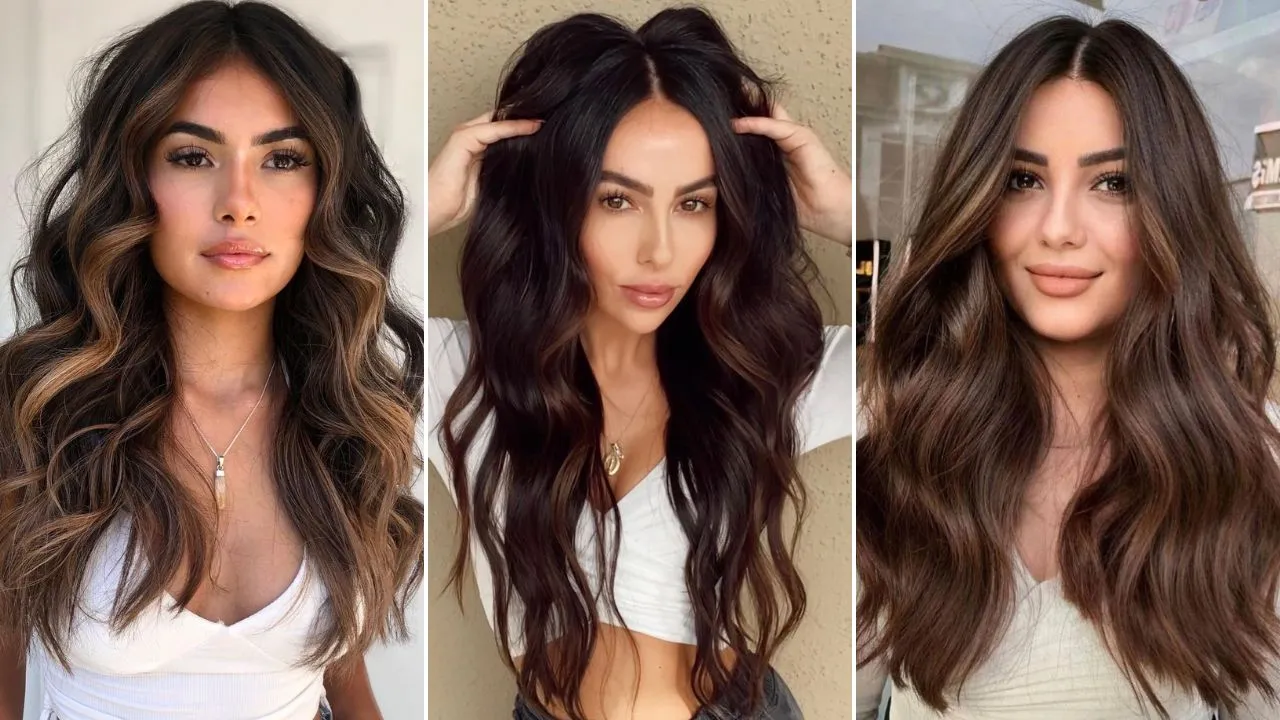
Choosing a new hair color is an exciting way to refresh your appearance, whether you want subtle highlights, a richer brunette shade, or a dramatic transformation. With so many options available, finding a shade that complements your complexion, personal style, and lifestyle can feel overwhelming.
The key is understanding how colors interact with your skin tone, natural hair color, and facial features. This guide explores flattering shades, popular 2026 trends, coloring techniques, and practical maintenance tips for busy schedules.
Quick Start: Best Hair Color Ideas by Skin Tone
Your skin tone and undertone provide useful starting points. Undertones generally fall into warm, cool, and neutral categories.
Here are some shades worth considering:
- Fair skin with cool undertones: Icy blonde, platinum, ash brown, and cool beige blonde.
- Fair skin with warm undertones: Honey blonde, strawberry blonde, golden brown, and caramel.
- Medium or olive skin: Chocolate brown, golden brunette, bronze balayage, and muted copper.
- Deep skin with cool undertones: Espresso, blue-black, burgundy, and cherry cola.
- Deep skin with warm undertones: Warm chocolate, chestnut, cinnamon brown, and copper highlights.
- Neutral undertones: Beige blonde, mushroom brown, neutral chocolate, and bronde.
These guidelines aren’t strict rules. Contrast, eye color, and personal preferences also influence your ideal shade.
For additional inspiration, Facefy offers hair color ideas through its appearance-focused analysis platform, helping users explore shades that complement their individual features.
Comparing different colors before visiting a salon can make communicating your preferences easier.
Blonde Hair Color Ideas for Every Style
Blonde ranges from warm golden shades to cool platinum finishes. Your natural base and maintenance preferences influence the best choice.
Popular Blonde Shades for 2026
- Golden blonde: Warm, luminous, and suitable for golden undertones.
- Honey blonde: Combines golden and amber tones.
- Sandy blonde: A muted beige-blonde combination.
- Buttery blonde: Creamy warmth without platinum intensity.
- Vanilla blonde: Light blonde with subtle warmth.
- Champagne blonde: Blends beige, gold, and rosy undertones.
- Icy platinum: A pale, cool-toned blonde requiring significant lightening.
For lower maintenance, consider bronde, which blends brunette and blonde tones while preserving natural depth.
Blonde Coloring Techniques
Balayage creates softly blended highlights with less noticeable regrowth.
Traditional foil highlights provide controlled lightening, while face-framing highlights brighten sections surrounding your face.
Root shadowing softens the transition between natural roots and lighter lengths.
Blonde hair often needs additional conditioning because lightening can increase dryness and porosity.
Purple shampoo may help neutralize unwanted yellow tones.
Brown Hair Color: From Soft Brunette to Espresso
Brown hair offers versatility without necessarily requiring dramatic lightening.
Trending Brunette Hair Color Ideas
- Light ash brown: Cool brown with a smoky finish.
- Milk chocolate: Medium brown with gentle warmth.
- Mocha brown: Balanced cool and warm brunette tones.
- Caramel brown: Golden reflections that add brightness.
- Teddy bear brown: Creamy brunette with beige influences.
- Cinnamon brown: Brown with a sprinkling of red tones.
- Espresso brown: Deep, nearly black brunette.
- Mushroom brown: Muted ash-based brown.
The expensive brunette aesthetic emphasizes dimensional color, blended highlights, and glossy finishes rather than a single flat shade, and these high-impact brunette colors create richness and luxurious depth.
Adding Dimension to Brown Hair
Caramel balayage softens dark brown hair, while subtle face-framing highlights brighten the overall appearance.
Reverse balayage introduces darker tones into previously lightened hair, creating additional depth.
Brown shades generally require less lightening than platinum blonde, although maintenance depends on the starting color and formula.
Red, Copper, and Black Hair Color Ideas
Red and black shades offer options ranging from natural-looking warmth to dramatic contrast.
Red and Copper Shades Worth Exploring
- Strawberry blonde: Blonde mixed with soft red.
- Cowgirl copper: Warm copper with earthy brown influences.
- Ginger blonde: Light golden ginger.
- Auburn: Rich reddish-brown.
- Cherry cola: Deep brunette with burgundy reflections.
- Copper balayage: Warm highlights blended into darker hair.
- Burgundy: Deep red with violet undertones.
Copper and auburn complement many warm complexions, while burgundy provides a cooler alternative.
Red pigments can fade relatively quickly, making color-depositing conditioners and occasional refreshes useful.
Black Hair Color Ideas
Soft black offers a natural-looking finish, while blue-black introduces cool reflections.
Espresso black combines brunette warmth with near-black intensity.
Permanent black dye can be difficult to lighten later, so discuss future color plans with your stylist.
Creative Hair Color Ideas: Pastels and Two-Tone Looks
Creative colors allow greater self-expression without necessarily coloring your entire head.
Popular Creative Hair Colors
- Dusty pink: Muted, romantic pink.
- Rose gold: Pink, peach, and golden tones.
- Lavender: Pale purple, usually requiring a light base.
- Plum purple: Deep violet.
- Denim blue: Muted blue with gray undertones.
- Magenta: Vibrant pink-purple.
- Silver gray: Cool metallic color requiring substantial lightening.
Metallic and pastel colors remain popular trend directions for creative color, so you can discover a shade that fits your style and path.
Peekaboo highlights place contrasting colors underneath the hair.
Split dye creates two distinct shades, while dip-dye concentrates color at the ends; balayage and ombre are also popular techniques for artistic hair color.
Dark hair usually requires lightening for pastel shades to appear clearly, and pastel hair colors are especially popular among trendsetters.
How to Choose the Right Hair Color With Facefy
Finding a flattering shade involves balancing natural coloring, maintenance expectations, and personal preferences.
Facefy provides appearance-related insights, including color analysis and hairstyle recommendations, making it a useful starting point when comparing possible hair transformations.
Its personalized approach can help users narrow their choices before discussing realistic coloring options with a professional stylist.
1. Understand Your Natural Coloring
Identify your skin undertone and natural hair color.
Consider whether you prefer subtle harmony or stronger contrast.
Compare potential shades in natural daylight before committing.
2. Consider Your Lifestyle and Maintenance Budget
Ask yourself how frequently you’re comfortable visiting a salon.
Platinum blonde, vivid red, and pastel shades may require more maintenance than dimensional brunette or balayage with natural roots.
Your washing routine, heat styling, and sun exposure also influence color longevity.
3. Assess Your Hair’s Condition
Previously bleached, chemically straightened, or heavily processed hair may react differently to coloring.
Hair porosity influences pigment absorption and fading.
Consult a qualified stylist before attempting major transformations on fragile hair.
4. Build a Practical Maintenance Routine
Blonde hair may need toning and strengthening treatments.
Brunettes benefit from moisturizing conditioners and occasional gloss treatments.
Red shades often require pigment refreshes, while fashion colors may need specialized color-depositing products.
Gentle cleansing, conditioning, and heat protection support healthier-looking hair.
5. Bring Clear References to Your Colorist
Save photographs showing your preferred shade under different lighting conditions.
Include examples of colors you want and those you would rather avoid.
Discuss previous chemical treatments, desired lightness, and maintenance expectations.
A professional colorist can explain whether your preferred shade is achievable in one appointment or requires gradual processing.
Ultimately, the best hair color complements your features while fitting comfortably into your everyday routine. Whether you choose honey blonde, chocolate brunette, copper red, or pastel pink, thoughtful planning helps create a result that feels personal, practical, and distinctly your own.
