

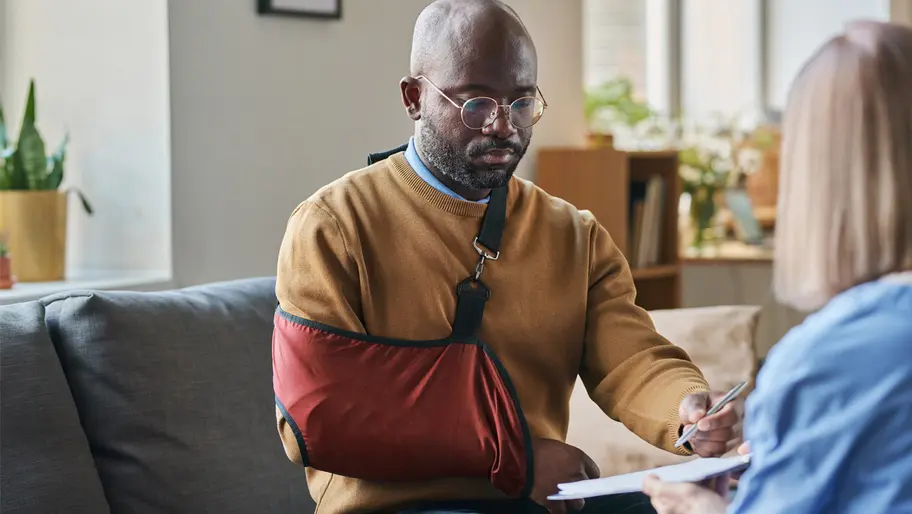
Running a business means thinking about more than sales, inventory, and customer service. At some point, every business owner should also consider what happens if a visitor gets hurt while on the property. If a serious incident leads to questions about responsibility, Atlanta injury attorneys can help explain the legal issues and what steps may come next. Understanding your obligations before an accident happens can help you respond more effectively if one ever does. Being prepared is often far less stressful than trying to figure everything out after the fact.
Not Every Injury Automatically Makes a Business Liable
Many business owners worry that every customer injury will automatically result in a successful lawsuit. That is not how the legal process works.
Whether a business may be legally responsible often depends on the specific facts surrounding the accident. Questions may include whether a dangerous condition existed, whether the owner knew or should have known about it, and whether reasonable steps were taken to address the problem.
Each situation is different, which is why it is important to avoid jumping to conclusions immediately after an incident.
Common Hazards That Lead to Customer Injuries
Businesses come in all shapes and sizes, but certain hazards appear again and again.
Wet floors, uneven sidewalks, loose flooring, poor lighting, broken handrails, falling merchandise, damaged stairs, and cluttered walkways can all create risks for visitors. Outdoor areas deserve attention as well. Parking lots, entryways, sidewalks, and landscaping should be inspected regularly because they are often the first places customers encounter.
Regular maintenance and prompt repairs can reduce the chances of an accident happening in the first place.
Respond Calmly When an Accident Happens
If someone is injured on your property, your first priority should always be the person’s immediate safety. Call emergency services if medical attention is needed. Stay calm, offer reasonable assistance, and avoid making assumptions about what caused the accident.
It is also important not to admit fault before the facts are known. Showing concern for an injured customer is appropriate, but determining legal responsibility usually requires a closer review of the circumstances.
Document the Scene Right Away
Good documentation can make a significant difference later.
Take photographs of the area where the incident occurred before anything changes, if it can be done safely. Capture the condition of the floor, lighting, warning signs, weather conditions, or any other details that may help explain what happened. If employees or customers witnessed the incident, collect their names and contact information while their memories are fresh.
Write down the date, time, location, and a factual description of what was reported. Small details are often forgotten if they are not recorded promptly.
Preserve Security Camera Footage
Many businesses rely on surveillance systems to help protect their property. If cameras captured the incident, preserve that footage immediately.
Video recordings are sometimes overwritten after a certain number of days. Waiting too long could result in losing valuable evidence.
Keep the recording in its original form whenever possible and make sure it is stored securely. Even if the footage does not appear especially important at first, it may become valuable if questions arise later.
Review Your Insurance Coverage
After an accident, notify your insurance company according to the requirements of your policy.
Commercial general liability insurance often provides coverage for certain claims involving customer injuries, but every policy is different. Review your coverage so you understand what protections and reporting requirements apply. Providing timely notice helps your insurer begin its own investigation and explain the next steps.
Train Employees to Handle Incidents Properly
Employees are often the first people to respond when a customer is injured.
Make sure they know how to contact emergency services, complete an incident report, preserve evidence, and notify management. They should also understand the importance of remaining professional and avoiding speculation about fault. A clear response plan helps employees stay focused during stressful situations and creates consistency throughout the business.
Prevention Is Always Better Than a Lawsuit
One of the best ways to reduce liability is by preventing accidents before they happen.
Schedule regular property inspections, repair hazards quickly, clean spills promptly, and make sure warning signs are easy to see when temporary dangers cannot be removed immediately. Encourage employees to report maintenance concerns instead of assuming someone else will handle them. Simple habits often make a meaningful difference in creating a safer environment for both customers and staff.
Know When to Seek Legal Guidance
Some customer injuries are straightforward, while others quickly become complicated.
If a serious injury occurs or a claim is filed against your business, consulting Atlanta personal injury attorneys or another qualified legal professional can help you understand your responsibilities and respond appropriately.
Legal guidance can also help you preserve important evidence, communicate with insurers, and avoid mistakes that may create additional problems later.
The sooner you understand your position, the easier it becomes to make informed decisions.
Final Word
A customer injury can be stressful for everyone involved, but having a plan in place makes it easier to respond calmly and responsibly. If legal questions arise, Atlanta injury attorneys can help explain the issues and guide business owners through the process. Keeping your property safe, documenting incidents carefully, and maintaining appropriate insurance coverage are all important parts of protecting your business. Taking those steps today may prevent much bigger problems in the future.
