

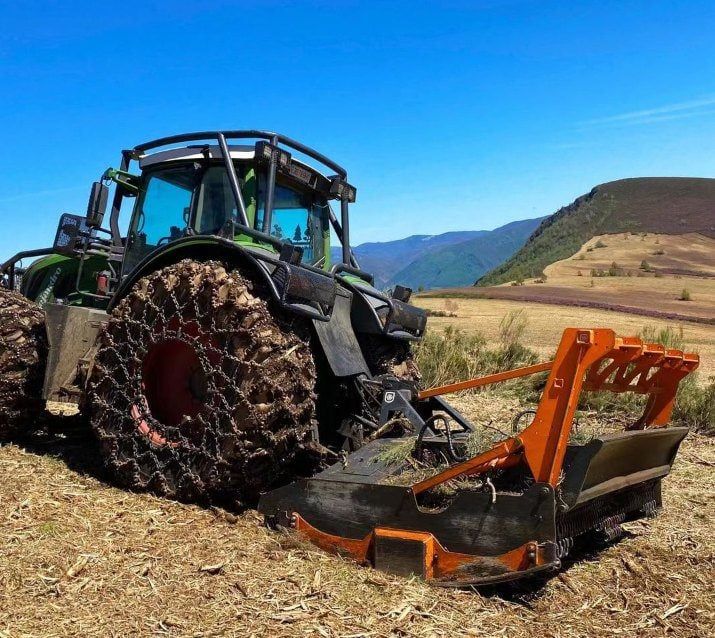
Many people picture farming as calm work. In open fields, a tractor is moving slowly in the background. Everything is running smoothly while crops grow on schedule. Honestly, actual farm life feels way more chaotic than others. Machines break down at the worst time. Rain changes plans overnight. Fuel costs rise again without warning. Sometimes one damaged part inside a tractor or harvester creates delays that affect work for the entire week. And during harvest season, even losing a few hours can turn into a massive headache pretty quickly. Farmers already deal with enough pressure as it is.
That’s why equipment reliability matters so much now. Not just for big agricultural companies either. Even smaller farm operations need machinery they can depend on because repair costs and downtime keep getting harder to manage every year. This is where agricultural casting products continue to play a huge role behind the scenes. These components are used in tractors, harvesters, irrigation systems, tillage machines, hydraulic equipment, and several other farm machines that handle rough working conditions almost daily. Without strong cast parts supporting those systems, equipment wouldn’t last nearly as long in the field. And replacing farm machinery isn’t exactly cheap anymore.
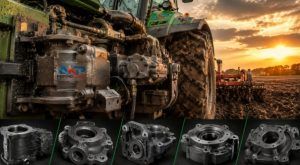 Agricultural Casting Products for Reliable Farm Operations
Farm Equipment Works Under Constant Stress
Farm machines don’t get treated gently. They’re pushed through mud, rocks, dust, uneven land, moisture, and heat for long hours without much rest in between. During busy planting and harvesting periods, some equipment runs almost nonstop because farmers are trying to finish work before weather conditions suddenly change again. That kind of workload destroys weak components pretty fast.
A tractor bouncing across rough ground creates nonstop vibration through the machine frame and internal systems. Harvesters operate while handling dirt, crop residue, heavy movement, and pressure all at once. Irrigation equipment stays outdoors for long periods, almost constantly exposed to changing weather conditions. That’s rough on machinery. This is one big reason agricultural casting products remain common across farming equipment manufacturing. Cast components are usually better at handling repeated pressure and long operating hours without wearing down too quickly. Farmers don’t want machines sitting idle halfway through the season waiting for repairs. Nobody wants that situation.
Downtime Costs More Than Most People Think
Equipment failure during the farming season creates problems immediately. If planting gets delayed, crop growth timing can be affected later. If harvesting equipment stops working in the middle of the season, farmers sometimes lose valuable time trying to fix machinery while crops continue waiting in the field. That’s stressful enough already before repair bills even show up. And repairs aren’t always quick anymore, either. Sometimes replacement components take days longer than expected because of shipping delays or supplier shortages. Meanwhile, the broken machine just sits there while work continues piling up around it.
Reliable agricultural casting products help reduce some of those risks because durable cast parts generally tolerate vibration, wear, pressure, and repeated heavy use much longer before replacement becomes necessary. That matters even more now because farming expenses already feel overwhelming for many operations. Fuel costs keep climbing. Labor shortages create delays. Equipment prices continue rising. Unexpected repairs only add more pressure to businesses already trying to manage tight seasonal schedules.
Why Casting Still Works So Well for Agriculture
There are several reasons manufacturers continue to depend on cast components for farming equipment.
Strength is probably the biggest one.
Casting allows manufacturers to create heavy-duty parts capable of handling rough farm conditions without needing excessive extra machining later. That helps save production time while still giving equipment the durability needed for long working cycles in difficult environments.
Another thing people sometimes forget is vibration control.
Farm equipment naturally shakes and vibrates while operating across uneven land all day long. Cast materials, like ductile iron, absorb some of that movement better than lighter materials, helping equipment stay more stable over longer operating periods. No material lasts forever, but some definitely survive harsh conditions better than others. That’s another reason agricultural casting products continue to be important across agricultural manufacturing.
Farm Machines That Commonly Use Cast Components
A huge amount of agricultural equipment depends on cast parts every single day.
Some common examples include:
- Tractor transmission housings
- Hydraulic pump bodies
- Gear housings
- Harvester support structures
- Irrigation system components
- Brake and steering assemblies
- Tillage equipment sections
- Engine mounting parts
These components face dirt, pressure, moisture, impact, vibration, and rough outdoor environments constantly. Cheaper materials usually wear down much faster under those conditions. That’s why manufacturers continue investing in dependable agricultural casting products designed for longer service life and lower maintenance problems later. Because honestly, nobody spending huge money on farming equipment wants repair issues showing up every few months.
Farmers Expect Better Reliability Today
Farmers expect much more from machinery now than they did years ago. Equipment is expected to operate longer, carry heavier workloads, and require fewer repairs while still dealing with difficult conditions daily. That puts extra pressure on manufacturers to maintain stronger quality control across every component they produce.
Even small defects can create serious problems later. A poorly manufactured casting can cause alignment issues, vibration problems, uneven wear, or cracks after extended field use. Once equipment starts developing reliability issues, customers notice pretty quickly.
And rebuilding trust after repeated breakdowns isn’t easy for manufacturers. That’s why suppliers producing agricultural casting products are focusing more carefully on inspection systems, material consistency, and dimensional accuracy than before. In agriculture, machines don’t always get second chances during important working periods.
Supply Problems Changed the Industry Too
The past few years have changed how manufacturers think about suppliers. Shipping delays, raw material shortages, transportation issues, and inventory problems affected industries almost everywhere, including agriculture. Companies that once focused mostly on lower pricing started caring much more about supplier reliability and communication, too.
Because delayed parts eventually create delayed machinery deliveries. And frustrated customers remember those delays for a long time, honestly. Working with reliable suppliers helps equipment manufacturers avoid constant schedule disruptions and unnecessary confusion around replacement parts or delayed shipments. And honestly, for farming businesses, timing affects almost everything. A late delivery during planting or harvesting season can create problems that stick around much longer than people outside agriculture usually expect.
Final Thoughts
Modern farming puts a lot of pressure on machines every single day. Muddy land, changing weather, long work hours, heavy loads, and nonstop seasonal demands can wear equipment down pretty fast if the parts inside aren’t built properly. That’s one big reason agricultural casting products still remain important across farm equipment manufacturing today.
Farmers don’t really want fancy promises. They mostly want machinery that starts on time, keeps working properly, and doesn’t suddenly fail right in the middle of important work. Reliable cast components help make that possible by giving equipment the durability needed for difficult farming conditions. Companies like AKP Ferrocast continue supporting those needs by supplying casting solutions made for long-term agricultural and industrial use.
