

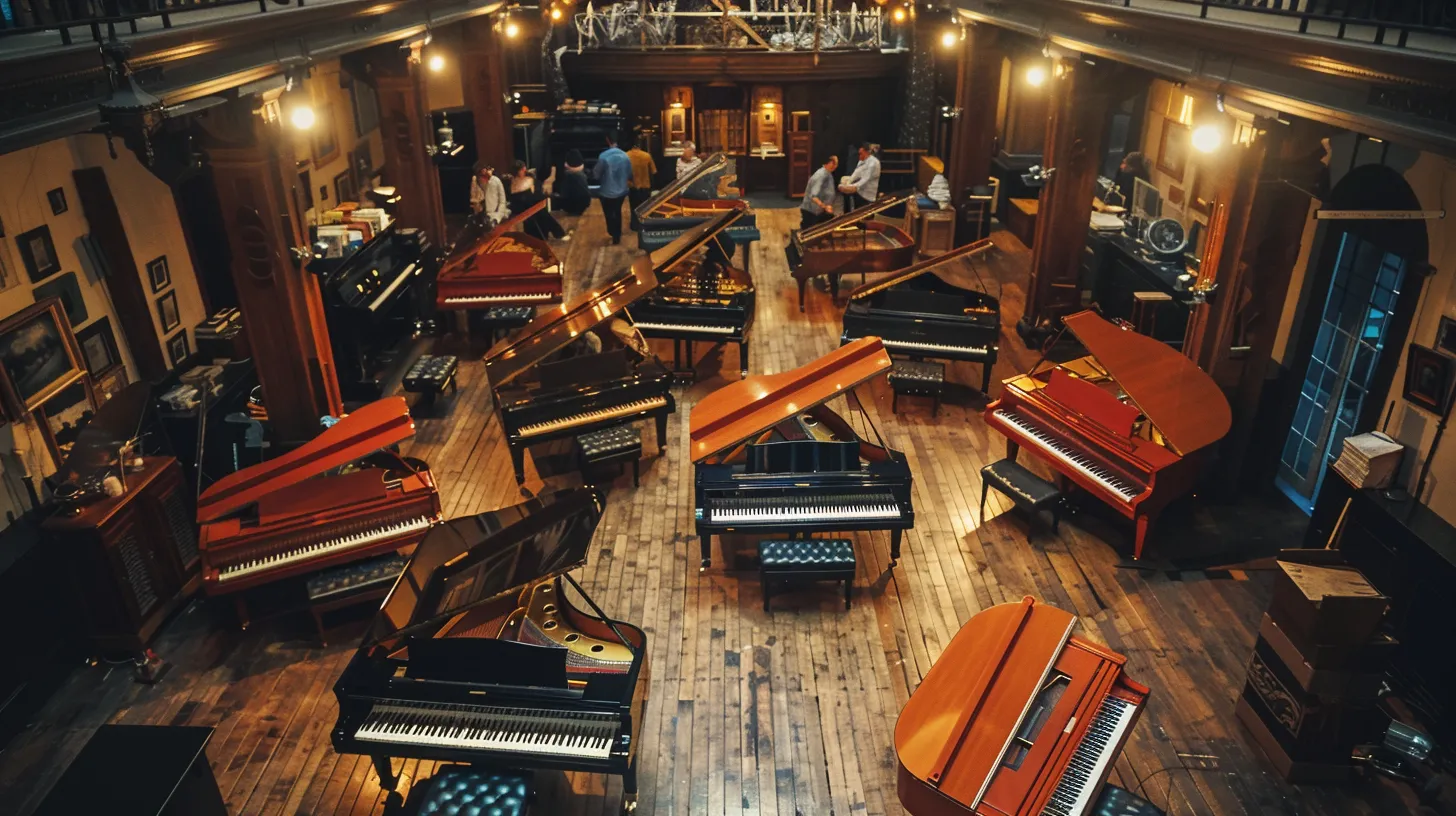
The world of premium European pianos is a harmonious blend of tradition, craftsmanship, and innovation. These instruments, celebrated for their unparalleled sound and exquisite design, have been shaped by centuries of artistry and dedication. Each piano tells a story, reflecting the heritage of the region and the meticulous hands that bring it to life.
From the intricate woodwork to the precision-engineered components, every detail of a European piano is crafted with purpose. Renowned manufacturers have perfected techniques passed down through generations, ensuring their pianos remain symbols of elegance and musical excellence. Understanding this heritage reveals why these masterpieces continue to captivate musicians and enthusiasts worldwide.
Historical Evolution of European Piano Craftsmanship
European piano craftsmanship dates back to the early 18th century, with Bartolomeo Cristofori credited for inventing the modern piano in Italy around 1700. His innovative hammer mechanism laid the foundation for acoustic advancements across the continent. By the mid-19th century, German and Austrian manufacturers like Steinway & Sons and Bösendorfer had elevated production techniques, introducing precision engineering and enhancing tonal quality.
Throughout history, regional variations shaped the unique characteristics of European pianos. German makers focused on robust bass tones and intricate action design, while Austrian firms like Bösendorfer emphasized rich, resonant sound profiles. Artisans employed locally sourced woods like spruce for soundboards, ensuring durability and unmatched acoustics.
By the late 19th century, the Industrial Revolution introduced mechanized manufacturing, enabling consistent quality while preserving artisanal methods. Renowned workshops, particularly in Vienna and Hamburg, continued refining their processes, combining tradition with innovation. These efforts established European pianos as the preferred choice for concert halls and collectors alike.
When considering premium pianos, buyers often seek guidance from reputable sources. For Bosendorfer Piano Dealers, showcasing historical craftsmanship and superior materials remains a priority when connecting buyers to these time-honored instruments.
What Sets Bosendorfer and Other Premium Brands Apart
The distinctiveness of Bösendorfer and similar premium brands lies in their dedication to exceptional craftsmanship, innovative design, and unique acoustic profiles. These pianos stand out due to meticulous handcrafting processes that can exceed 12 months for a single instrument, ensuring precision and artistry are prioritized over mass production. Bösendorfer, in particular, incorporates Austrian spruce in its soundboards, a material revered for its superior resonance and tonal clarity.
Engineering innovations further contribute to their exclusivity. Bösendorfer’s Imperial model includes 97 keys instead of the standard 88, offering a broader tonal range highly valued by performers of classical and contemporary repertoire. Other premium brands like Steinway & Sons add to their uniqueness by integrating proprietary technologies, such as accelerated action mechanisms, enhancing responsiveness and playability.
Beyond technical features, regional heritage influences their distinct appeal. Bösendorfer pianos reflect Vienna’s musical legacy, emphasizing warm, lush tonal qualities. By comparison, German brands like Bechstein focus on balanced sound and architectural durability. These regional distinctions cater to a variety of artistic preferences and performance needs.
Potential buyers engaging with trusted sources, like Bösendorfer Piano Dealers in the U.S., gain access to expert guidance and insights. Dealers often provide details on each piano’s design lineage and acoustic attributes, aiding buyers in aligning their selection with personal and performance requirements. Such factors underscore why collectors and musicians consider these instruments both an artistic and a cultural investment.
Acoustic Performance and Sustain Qualities in European Designs
European pianos are renowned for their superior acoustic performance, achieved through meticulous design and material selection. The combination of carefully engineered soundboards, high-quality strings, and precision action mechanisms contributes to their rich tonal depth and dynamic range. For instance, Bösendorfer’s use of Austrian spruce in soundboards enhances resonance and sustain, creating unparalleled clarity and warmth.
Sustain qualities in these instruments are a direct result of innovative construction techniques and material expertise. Extended key ranges, such as Bösendorfer’s Imperial model with 97 keys, offer a broader tonal spectrum, allowing for greater expression. The precision in hammer alignment and string scaling ensures consistent vibration transfer, maintaining tonal stability even in prolonged performance sessions.
European manufacturers often design pianos with regional acoustic preferences in mind. German models emphasize robust, powerful bass tones, while Austrian designs, like those from Bösendorfer, are celebrated for their harmonic richness. These distinctions attract musicians seeking specific sound profiles, whether for concert performance or personal enjoyment.
For buyers seeking acoustic excellence, trusted sources such as Bösendorfer Piano Dealers provide access to instruments that demonstrate these unique qualities. Dealers often highlight each piano’s craftsmanship, tonal signature, and heritage, ensuring customers can fully appreciate their value. Select Bösendorfer models stand as prime examples of how European design marries technical innovation with musical artistry.
Wood Selection and Hand Assembly Methods Still in Use Today
Premium European pianos rely on carefully selected wood for their distinct sound and durability. Manufacturers like Bösendorfer source high-quality materials such as Austrian spruce for soundboards, prized for its exceptional resonance. Hardwood varieties like maple and beech are often used for structural components, ensuring stability and long-lasting performance. The meticulous grading process eliminates imperfections, reserving only the finest cuts for production.
Craftsmen employ traditional hand assembly techniques to maintain precision and individuality. Custom shaping, jointing, and fitting of pieces create seamless structures that enhance acoustic performance. Processes like bridge notching and rib attachment are executed by hand, safeguarding the instrument’s tonal balance. The finishing stages, including varnishing and polishing, further preserve the wood and enhance its aesthetic appeal.
These methods underscore the enduring legacy of European piano craftsmanship. Trusted sources, such as Bösendorfer Piano Dealers, provide access to models that embody these traditions, connecting buyers with instruments crafted to the highest standards.
Consulting With Bosendorfer Piano Dealers on Custom Orders
Bosendorfer Piano Dealers offer tailored guidance for those seeking custom pianos. These experts assist buyers in selecting specifications that align with their performance needs and aesthetic preferences. They consider factors like tonal range, materials, and finishes to create instruments that reflect unique artistic visions.
Customization involves varying elements such as extended key ranges, hand-selected veneers, and bespoke inlay designs. For instance, buyers can request the 97-key Imperial model or opt for a specific wood finish, like black polyester or walnut. Dealers collaborate closely with Bosendorfer’s artisans, ensuring each piano meets the highest standards of craftsmanship and sound quality.
These dealers provide detailed insights into production techniques and material options. They explain how Austrian spruce soundboards or precise engineering enhance acoustic performance. Buyers gain transparency regarding the timeline, as crafting a custom Bosendorfer can require over a year depending on the complexities involved.
Prospective owners benefit from the personalized experience offered by trusted Bosendorfer Piano Dealers, who facilitate access to legendary instruments that uphold Austria’s musical heritage. To explore designs or request a consultation, authorized dealerships remain the primary resource. For more details, Check it out through a certified dealer network.
Evaluating Longevity and Value in a Collectible European Instrument
Premium European pianos stand as timeless masterpieces, blending heritage, craftsmanship, and innovation. Their unmatched quality and distinct tonal characteristics make them more than instruments—they’re artistic and cultural investments. The dedication to traditional methods, paired with modern advancements, ensures these pianos offer exceptional performance and durability.
Whether chosen for their rich sound profiles or elegant designs, these pianos carry the legacy of centuries-old expertise. With trusted sources like Bösendorfer Piano Dealers guiding buyers, enthusiasts can connect with instruments that resonate with history and artistry. Owning a premium European piano is a celebration of musical excellence and a testament to enduring craftsmanship.
