

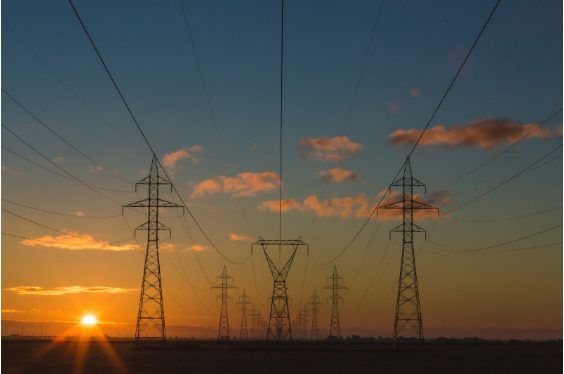
As the world accelerates toward a net-zero future, the energy sector stands at a pivotal crossroads. Meeting ambitious climate targets will require not only new technologies and infrastructure but also a workforce equipped with the right skills to deliver them. Transitioning from fossil fuels to renewable energy isn’t just a matter of swapping out equipment—it’s about preparing people. Future-proofing the energy sector means investing in training, education, and upskilling to ensure workers can thrive in a rapidly changing landscape.
The Shift Towards Net Zero
Governments around the globe have committed to net-zero emissions targets by mid-century. In the UK, the legally binding goal is to reach net-zero greenhouse gas emissions by 2050. Achieving this will require a complete transformation of how we produce, distribute, and consume energy.
Wind farms, solar panels, hydrogen facilities, and wfo maximus battery storage systems are all crucial pieces of the puzzle. But none of them can function without people to design, build, operate, and maintain them. The success of the green transition hinges on a skilled and adaptable workforce.
A Growing Skills Gap
Despite growing demand for renewable energy technologies, there’s a significant shortage of workers with the right expertise. Many roles in the traditional energy sector don’t directly translate to clean energy jobs. Additionally, new and emerging technologies—like smart grids, electric vehicle infrastructure, and carbon capture—require highly specialised skills that are in short supply.
Without immediate and targeted efforts to close this skills gap, the transition could stall. This gap is particularly evident in areas such as electrical engineering, project management, data analytics, and clean tech installation.
Neville Voss, a business leader in the UK’s renewable energy space, has stressed the urgency of this challenge. “We cannot achieve a net-zero economy without a serious commitment to workforce development,” he said. “It’s about retraining people and empowering communities to take part in the green economy.”
Training for Tomorrow
Preparing the energy workforce of the future starts with education. Schools, colleges, and universities must embed sustainability and green skills across their curricula. From physics and engineering to business and IT, all subjects can—and should—incorporate an understanding of net-zero principles.
Vocational training and apprenticeships are also essential. Not everyone will take a university route into the industry, and hands-on experience is often the best way to learn. Expanding access to apprenticeships in sectors like solar panel installation, wind turbine maintenance, and EV charging station deployment is a practical way to bring more young people into the industry.
Furthermore, short courses and certifications can help experienced workers pivot into the renewable sector. For instance, an oil and gas technician could reskill in offshore wind or hydrogen fuel systems through an accelerated programme, rather than starting from scratch.
Upskilling the Current Workforce
It’s not just about new entrants—millions of current energy workers will need support to adapt. Upskilling initiatives are key to helping professionals transition from high-carbon roles into low-carbon ones.
Energy companies, trade unions, and government agencies must collaborate to provide structured training pathways. These should focus on both technical competencies (such as solar PV system design or battery storage installation) and transferable skills (like project management and health and safety).
One promising model is the concept of “just transition” training hubs—regional centres that provide retraining and job matching for workers displaced by the decline of fossil fuels. These centres can help prevent unemployment while also fuelling the growth of the clean energy economy.
Embracing Digital Transformation
As the energy sector becomes smarter and more connected, digital skills are becoming as important as mechanical know-how. Engineers now need to understand automation systems, data analysis, AI, and cybersecurity.
This digital layer adds new opportunities for innovation but also new challenges in training. Programmes must be developed to ensure that both existing and future workers are confident navigating the digital tools that underpin modern energy systems.
Neville Voss has spoken about this evolution, noting, “It’s not just about wiring and wrenches anymore. The next generation of energy professionals will be as fluent in code and cloud systems as they are in cables and circuits.”
Diversity and Inclusion in Green Jobs
A truly sustainable energy sector must also be inclusive. Historically, industries like construction, engineering, and energy have struggled with gender and racial diversity. The transition to net zero presents a unique opportunity to change that.
Targeted recruitment, mentoring, and community outreach can bring underrepresented groups into the fold. Programmes that connect renewable energy careers with women, ethnic minorities, and disadvantaged communities can widen the talent pool while promoting social equity.
By creating a workforce that reflects the diversity of society, the industry becomes more resilient, innovative, and socially responsible.
The Role of Industry and Government
No single entity can solve the skills challenge alone. Industry, government, education providers, and communities must all play a role in building a future-ready workforce.
Government policy should continue to fund skills development, offer incentives for green training programmes, and establish clear pathways into clean energy careers. Meanwhile, energy companies must invest in training their staff, support apprenticeships, and foster a culture of lifelong learning.
Entrepreneurs like Neville Voss have highlighted the importance of private sector leadership in this area. Through his involvement in clean energy projects and advocacy for green education, Voss has helped spotlight the critical link between training and sustainability success.
A Race We Can Win
The transition to a net-zero economy is one of the most ambitious challenges humanity has ever faced. It will require bold leadership, technological innovation, and a massive shift in how we think about energy. But most importantly, it will require people—skilled, motivated, and empowered individuals ready to build a cleaner future.
By investing now in training and upskilling, we lay the foundation for a workforce that is ready to meet tomorrow’s energy needs. Whether it’s a solar technician on a rooftop, a data analyst fine-tuning grid performance, or a young apprentice learning to install EV chargers, every role matters.
Future-proofing the energy sector is not just a strategy—it’s a necessity. With coordinated effort and a focus on inclusivity and innovation, we can equip the next generation to power a net-zero world.
