



Summer often feels like the easiest season to enjoy your home. Longer days, warm evenings, and plenty of sunlight create the perfect setting for relaxation. But behind that comfort, summer can quietly put stress on your home in ways you may not expect. Heat pushes appliances harder, humidity affects materials, and increased usage exposes weak spots that stayed hidden during cooler months.
Many homeowners assume a quick seasonal check is enough. Yet problems don’t always follow a schedule. Systems fail without warning, small issues grow quickly, and delays in fixing them can lead to higher costs and discomfort.
Staying prepared means knowing what can go wrong and how to respond before it turns into a bigger disruption.
Sudden Air Conditioning Failure
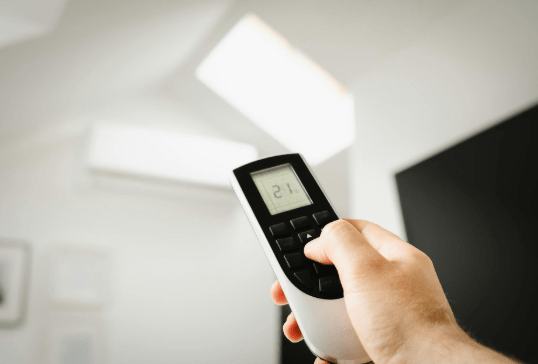
Even if you checked your AC before summer began, that doesn’t guarantee smooth performance all season. Systems can fail without warning, especially when they’re pushed by extreme heat day after day. A unit that seemed fine in spring can suddenly stop working during the hottest week of the year.
There are a few common reasons behind these breakdowns. Compressors can give out after heavy use, refrigerant levels might drop due to hidden leaks, and electrical components can fail under constant demand.
What makes these situations stressful is how quickly indoor temperatures can rise once the AC stops. Waiting too long to act can turn a manageable repair into a more expensive problem. That’s why preparation goes beyond maintenance. It includes knowing exactly which emergency air conditioning repair service to contact when something goes wrong. Having that contact ready saves time and helps you restore comfort before the heat becomes unbearable.
Overloaded Electrical Systems
Summer brings a noticeable jump in electricity use. Air conditioners run for longer hours, and appliances like refrigerators work harder to maintain cool temperatures. All of this demand flows through the same electrical system, which can quickly reach its limit if it isn’t prepared for the load.
You might first notice small signs, like lights dimming when the AC kicks on or breakers tripping more often than usual. These aren’t random annoyances. They point to a system that’s struggling to keep up. Ignoring them can lead to damaged wiring or even safety hazards.
Managing this doesn’t require major upgrades right away. Spreading out appliance use, unplugging devices you’re not using, and checking your breaker panel for signs of wear can help ease the pressure. If the problem keeps showing up, it’s worth having an electrician take a closer look before it turns into something more serious.
Plumbing Problems from Increased Water Use
Water usage tends to climb during summer. Between watering the lawn, filling pools, and taking more showers after outdoor activities, your plumbing system sees a lot more action. This added demand can expose weak points that weren’t noticeable before.
Leaks are one of the first issues to appear. A small crack in a pipe or a loose connection can turn into a steady drip once pressure increases. Low water pressure can also show up, often caused by buildup in pipes or hidden blockages. Outdoor faucets and hoses are another common source of trouble, especially if they’ve been sitting unused for months.
Keeping an eye on unusual changes helps catch problems early. If you notice damp spots, unexpected spikes in your water bill, or slower drainage, it’s worth investigating right away.
Pest Infestations in Warm Weather
Warm weather creates the perfect conditions for pests to thrive. Insects and rodents become more active, and your home can easily become a target if there are accessible entry points. Ants, flies, and mosquitoes often show up first, but larger pests can follow if conditions allow.
Small gaps around windows, doors, and vents can act as open invitations. Once inside, pests look for food, water, and shelter. Kitchens, basements, and attics are common areas where activity begins.
Prevention requires attention to detail. Sealing openings, keeping surfaces clean, and managing waste properly can reduce the chances of an infestation. If the problem grows, professional pest control can help remove the issue before it spreads further.
Refrigerator and Freezer Strain
Hot weather doesn’t just affect how your home feels; it also puts pressure on the appliances that keep your food safe. Refrigerators and freezers have to work harder to maintain low temperatures when the surrounding air is warm.
You might notice the motor running more often, or food taking longer to cool after being placed inside. In some cases, items near the back freeze while others stay slightly warm. These uneven temperatures point to a system that’s struggling to keep up.
Simple habits can help reduce the strain. Keeping the doors closed as much as possible, avoiding overfilling, and checking that the seals are tight can improve performance. Cleaning the coils also helps the appliance release heat more efficiently, which supports consistent cooling even during peak summer days.
Poor Indoor Air Quality
When windows stay closed to keep cool air inside, indoor air can quickly become stale. Dust, allergens, and humidity build up, especially when the HVAC system isn’t circulating air properly. This can lead to discomfort that’s easy to dismiss at first but becomes harder to ignore with time.
You might feel it through constant sneezing, a dry throat, or a general sense that the air feels heavy. These are signs that your indoor environment needs attention. Dirty air filters are often a major factor, as they restrict airflow and allow particles to circulate.
Improving air quality doesn’t require drastic changes. Replacing filters regularly, allowing fresh air in during cooler parts of the day, and using ventilation fans in kitchens and bathrooms can make the air feel cleaner and easier to breathe. These small steps can reduce irritation and create a more comfortable indoor setting.
Summer doesn’t always announce its challenges ahead of time. Issues tend to appear when systems are under pressure and least expected. What helps is staying aware of how your home behaves during this season. When something feels off, it usually points to a deeper cause that deserves attention. Acting early, even on minor signs, can prevent disruptions that are far more difficult to handle later. Also, stairlift maintenance and repair can be another way you can keep elderly people at home safe. This is a prime security choice that can help you and your family members stay safe.
A prepared approach doesn’t require constant worry. It comes down to noticing patterns, keeping essential contacts within reach, and making small adjustments that support how your home functions in the heat. That awareness allows you to stay in control, even when summer puts everything to the test.


