



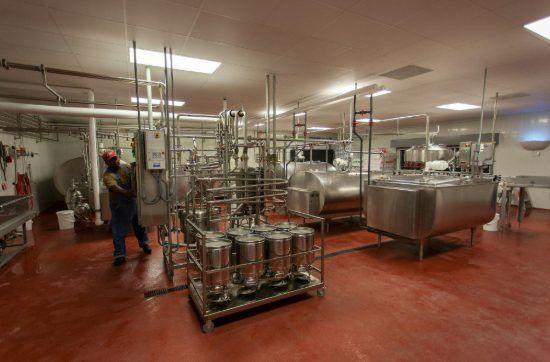
Running a food manufacturing facility comes with constant pressure. There are production deadlines to meet, safety standards to follow, employees to manage, and customers depending on consistent product quality. On top of all that, audits and inspections can happen throughout the year. For many businesses, those inspections create stress because even small mistakes can lead to warnings, fines, or damaged trust.
The truth is that staying audit-ready is not about rushing to clean up right before an inspection. The facilities that perform well during audits usually focus on simple habits every day. They stay organized, follow clear procedures, and handle problems early before they become larger issues.
Food manufacturers that take a proactive approach often find audits much easier to manage. Instead of scrambling for paperwork or fixing last-minute concerns, they already have systems in place that support compliance year-round.
Build a Strong Pest Prevention Plan
Pest activity is one of the biggest concerns during food safety audits. Even a small issue can raise serious questions about sanitation and product protection. Insects and rodents can damage inventory, contaminate ingredients, and create major compliance problems if they are not handled quickly.
That is why food manufacturers need a reliable pest prevention program that works throughout the year instead of only reacting when pests appear. Facilities should perform regular inspections, monitor storage areas closely, and keep products properly sealed and protected.
Many businesses also rely on professional commercial fumigation when infestations threaten stored products or production areas. This can help manufacturers eliminate pests safely while protecting inventory and maintaining food safety standards.
Strong pest prevention programs usually include:
- Routine inspections
- Monitoring devices and traps
- Proper storage practices
- Fast reporting procedures
- Waste management plans
- Sealed entry points around the facility
When pest control becomes part of daily operations, facilities are far less likely to face serious issues during audits.
Keep Documentation Organized and Updated
One of the most common problems during inspections is incomplete paperwork. Auditors expect businesses to provide records that show safety procedures are being followed consistently. Even if a facility is operating properly, missing documents can still create concerns.
Food manufacturers should keep important records organized and easy to access at all times. Waiting until the last minute to gather paperwork often leads to unnecessary stress and mistakes.
Important documents may include:
- Cleaning schedules
- Employee training logs
- Pest control service reports
- Equipment maintenance records
- Temperature logs
- Corrective action reports
- Inspection checklists
Digital systems can make record keeping easier, but consistency matters more than the method itself. A simple and organized process can help teams stay prepared year-round.
Train Employees Throughout the Year
Employees play a major role in food safety and audit readiness. A facility can have excellent policies in place, but those procedures only work if employees understand and follow them properly.
Training should never be treated as a one-time task during onboarding. Food manufacturers should provide ongoing education and refresher sessions throughout the year so employees stay confident in their responsibilities.
Training topics often include:
- Personal hygiene
- Food handling procedures
- Cleaning and sanitation standards
- Cross contamination prevention
- Equipment safety
- Reporting safety concerns
Employees should also understand what to expect during an inspection. Auditors may ask workers questions directly, so staff members need to feel prepared and comfortable discussing procedures.
Focus on Daily Sanitation Practices
Cleanliness has a major impact on audit results. Inspectors notice sanitation conditions immediately when entering a facility. Small problems that are ignored over time can quickly turn into larger violations.
Food manufacturers should maintain detailed cleaning schedules for every part of the facility, including areas that are easy to overlook.
This may include:
- Production equipment
- Storage rooms
- Break areas
- Loading docks
- Drains
- Walls and ceilings
- Ingredient handling areas
Managers should also conduct regular walkthroughs to identify sanitation concerns early. Moisture buildup, food debris, and spills should be addressed immediately before they attract pests or create contamination risks.
Consistent cleaning practices not only improve audit performance but also help create a safer work environment for employees.
Conduct Internal Audits Regularly
One of the best ways to prepare for official inspections is by conducting internal audits throughout the year. Internal reviews help businesses identify weaknesses before outside inspectors do.
These audits should evaluate all major areas of the operation, including:
- Sanitation practices
- Employee compliance
- Documentation accuracy
- Equipment condition
- Pest prevention efforts
- Product storage procedures
Internal audits also give employees more experience with the inspection process itself. The more familiar teams become with audits, the less stressful official inspections feel.
Facilities should treat internal audits as learning opportunities instead of punishment. The goal is to improve processes and prevent larger problems later.
Monitor High-Risk Areas Closely
Some areas inside a manufacturing facility naturally carry higher risks than others. Storage areas, ingredient rooms, and shipping zones often experience more pest activity and sanitation concerns because products move through these spaces constantly.
Facilities should monitor these high-risk areas carefully for signs of trouble.
Common warning signs may include:
- Damaged packaging
- Spilled ingredients
- Excess moisture
- Poor ventilation
- Insect activity
- Unusual odors
- Cluttered storage spaces
Even small issues can grow quickly if they are ignored. Regular inspections allow teams to catch problems early before they affect production or trigger audit violations.
Manufacturers that stay proactive with monitoring usually avoid many of the larger compliance problems that develop over time.
Stay Updated on Food Safety Regulations
Food safety requirements can change over time. Businesses that fail to stay informed may unknowingly fall behind on compliance standards.
Facility managers should regularly review updates from FDA regulations, OSHA guidelines, state and local health departments, industry organizations, and third-party certification programs.
Working with experienced service providers can also help manufacturers stay informed about changing safety expectations. Much like any regulated industry, understanding what triggers an inspection and how to stay compliant can save a business from costly surprises down the line.
Staying informed helps businesses avoid surprises during inspections and supports long-term compliance.
Food manufacturers that stay prepared year-round are rarely relying on last-minute fixes before an audit. Instead, they focus on daily habits that support safety, organization, and compliance across the entire facility. Clean workspaces, strong employee training, organized records, and proactive pest prevention all contribute to smoother inspections and fewer surprises. Over time, these consistent efforts help businesses protect their products, maintain customer trust, and operate with greater confidence every day.


