



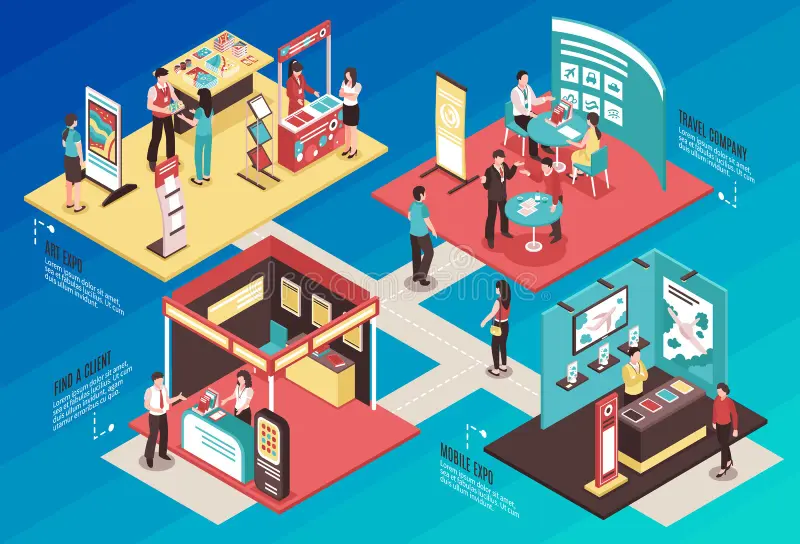
Trade show results often hinge on one basic factor: human contact. A booth may feature polished graphics, strong signage, and useful products, yet still fail to capture attention in a crowded aisle. Visitors make quick choices, and hesitation usually lasts only a few seconds. Skilled event personnel help convert that brief window into a real exchange. Their presence supports smoother conversations, clearer direction, and steadier visitor flow throughout long exhibit days.
Stronger First Impressions
Aisle traffic moves quickly, so first contact must feel easy and inviting. Many exhibitors use trade show staffing & models because a trained representative can greet visitors, read intent, and lower the social friction that keeps people walking. That small shift matters. A calm welcome, direct eye contact, and a clear opening question often turn a passing glance into a booth stop.
Faster Crowd Engagement
Busy booths lose interest when nobody steps forward at the right moment. Trained staff notice pace, posture, and eye movement before a visitor speaks. Those cues help them start brief conversations without feeling intrusive. Short openings usually work best on a show floor. A simple question or demo invitation can pull someone in before attention shifts to the next display.
Better Product Education
Visitors stay longer when information feels clear rather than overloaded. Event staff can explain core features in plain language, then pass detailed questions to product specialists. That division keeps technical team members available for deeper buying conversations. Guests also retain more when explanations follow a simple order. Better understanding often leads to stronger recall, cleaner lead notes, and more useful post-show follow-up.
More Live Demonstrations
Movement attracts attention faster than static displays. A live demonstration gives nearby attendees a reason to pause, watch, and listen for a moment. Staff members can repeat key actions throughout the day with the same structure and timing. That consistency matters because each audience arrives at a different point. Repeated demos also create natural openings for questions, badge scans, and longer conversations.
Smoother Lead Capture
Traffic means little if contact details disappear during busy periods. Event teams can handle badge scans, quick forms, and simple qualification steps while sales staff focus on buying signals. That split reduces missed names during peak hours. It also improves data quality after the event. Clear notes on timing, interest, and product fit help exhibitors sort leads faster and prioritize follow-up more accurately.
Greater Brand Consistency
A booth feels more credible when every conversation carries the same core message. Trained personnel can follow approved talking points, product facts, and tone guidance across each shift. That approach reduces mixed explanations and uneven visitor experiences. Consistency also supports memory. Attendees who hear one clear value message are more likely to remember the exhibit after seeing several vendors in close succession.
Higher Energy Across Long Hours
Trade shows place steady demands on attention, posture, and social stamina. Internal teams often juggle setup tasks, meetings, demos, and follow-ups simultaneously. Extra staffing helps maintain booth energy throughout the day. Fresh representatives keep greetings active during slow periods and rushes alike. A lively space signals relevance, while a quiet booth can suggest weak interest to passing attendees.
Stronger Social Proof
People notice activity before they absorb signage or product details. A booth with ongoing conversations often appears useful, credible, and worth a closer look. Staff and models help sustain that visible momentum by keeping interactions continuous. Even a small cluster can draw fresh curiosity from nearby aisles. Once attention builds, each new visitor reinforces the sense that something valuable is happening there.
Conclusion
Booth traffic rarely rises through visuals alone. Growth usually comes from timely interaction, clear guidance, and steady engagement across the exhibit day. Trade show staffing and models support first impressions, product education, demonstrations, lead capture, message consistency, visible energy, and social proof. Each element can improve visitor flow in measurable ways. For exhibitors seeking fuller aisles and better conversations, trained event talent remains a practical advantage.


